
The best moisturizer for dry skin is the one that matches why your skin feels tight in the first place, and that usually comes down to barrier damage, low humidity, harsh cleansing, or a mix of all three.
If you’ve tried “rich creams” and still feel dry by lunch, you’re not imagining it, many formulas feel comforting but don’t reduce water loss for long. The good news is you can get more predictable results by choosing a moisturizer based on humectants (water binders), emollients (surface smoothers), and occlusives (water-loss blockers), then adjusting texture for your climate and routine.
This guide focuses on how to pick what works in 2026 without chasing hype. You’ll get a fast self-check, an ingredient cheat sheet, a comparison table, and a simple routine you can actually stick to.
What “dry skin” usually means (and why moisturizers fail)
Dry skin often has two overlapping issues: not enough oil to cushion the surface, and a leaky barrier that lets water evaporate. The second one is why a product can feel creamy yet your face still flakes.
According to the American Academy of Dermatology Association, moisturizing regularly and using gentle skin care can help relieve dryness, and avoiding hot water plus harsh cleansers often matters as much as the cream itself.
- Barrier disruption: over-exfoliating, retinoids used too aggressively, windy weather, indoor heat.
- Too much cleansing: foaming washes, frequent double-cleansing, long hot showers.
- Wrong “finish” for your environment: a light lotion in a dry climate may not seal enough, a heavy balm in humidity may feel greasy and lead to underuse.
- Hidden irritants: fragrance or high-alcohol products can be fine for some people, but many dry-skin users notice stinging or rebound dryness.
Quick self-check: which dry-skin profile are you?
You don’t need a lab test, just a little honesty about what your skin does between washes. Pick the closest match, then use it to choose texture and ingredients.
- Tight within 10 minutes of cleansing: you likely need a gentler cleanser and a moisturizer with ceramides plus occlusives.
- Flakes around nose/mouth, makeup clings: look for humectants (glycerin, hyaluronic acid) and mild barrier lipids, consider a light exfoliation schedule rather than daily acids.
- Dry but also breaks out: choose non-greasy emollients and avoid heavy fragrance, you can still use a barrier cream, just apply less and target dry zones.
- Red, stingy dryness: keep formulas simple, minimize actives for a week or two, patch test new products, and consider professional advice if it persists.
Key point: the best moisturizer for dry skin may be different for your cheeks versus your T-zone, and that’s normal. Many people do better once they stop forcing one texture everywhere.
Ingredient cheat sheet: what to look for (and what to be cautious with)
Moisturizers work best when they combine three roles. If your product only does one, you might feel good for an hour and then dry again.
1) Humectants (pull water into the skin)
- Glycerin: reliable, usually well tolerated, great baseline for dry skin.
- Hyaluronic acid: can feel “plump” quickly, works best when sealed with a cream on top.
- Urea (low %): hydrates and softens roughness, higher % can sting on compromised skin.
2) Emollients (smooth and soften)
- Squalane: lightweight, often friendly for dry-but-acne-prone users.
- Fatty alcohols (cetyl/stearyl): not the drying type of alcohol, they help with slip and comfort.
- Plant oils: can be great, but some people react, patch testing helps.
3) Occlusives (reduce water loss)
- Petrolatum: very effective at sealing moisture, can feel heavy but works when skin is cracking.
- Dimethicone: smooth, less greasy feel, often good under makeup.
- Beeswax/lanolin: helpful for some, but more allergy potential for others.
Caution bucket: high fragrance, strong essential oils, and frequent high-strength acids can be a rough combo with true dryness. Not “bad,” just easy to overdo when your barrier already feels thin.
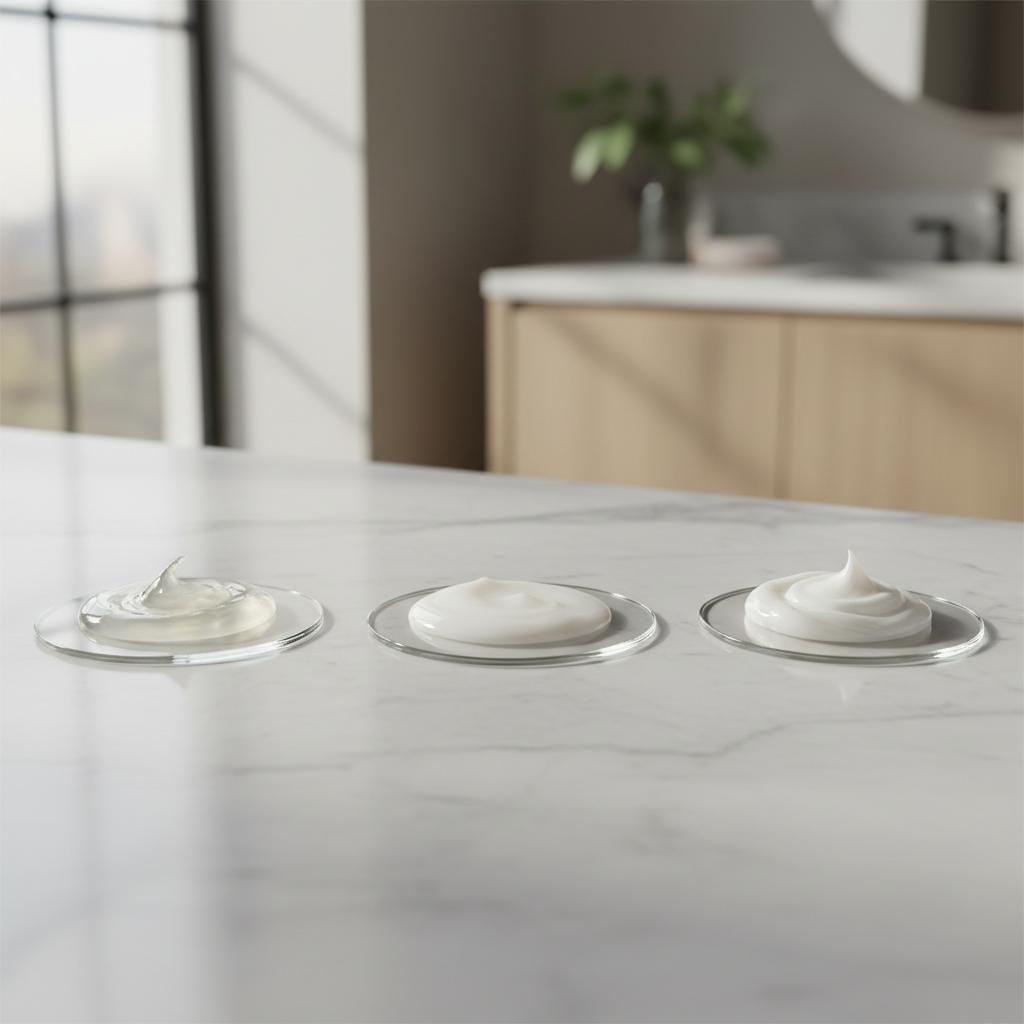
Choosing the right texture in 2026: a practical comparison table
In real life, texture determines whether you apply enough and often enough. Use this as a shortcut, then refine based on comfort.
| Texture | Best for | Pros | Watch-outs |
|---|---|---|---|
| Gel-cream | Dry-but-oily areas, warm climates | Layers well, low greasiness | May need a sealing layer in low humidity |
| Lotion | Mild dryness, daytime | Easy under sunscreen/makeup | Can be “not enough” in winter |
| Rich cream | Persistent tightness, winter, retinoid use | Comfort + better barrier feel | Can pill if over-layered, may feel heavy |
| Ointment/balm | Cracked patches, lips, slugging nights | Maximum seal | Too occlusive for some acne-prone users |
If you’re hunting for the best moisturizer for dry skin and you live in a dry, heated apartment, a rich cream plus a tiny amount of ointment on top at night often beats buying five new serums.
How to build a dry-skin routine that actually holds moisture
People love product recommendations, but routine is what makes a moisturizer perform. This is the simplest version that covers most cases.
Morning (3 steps)
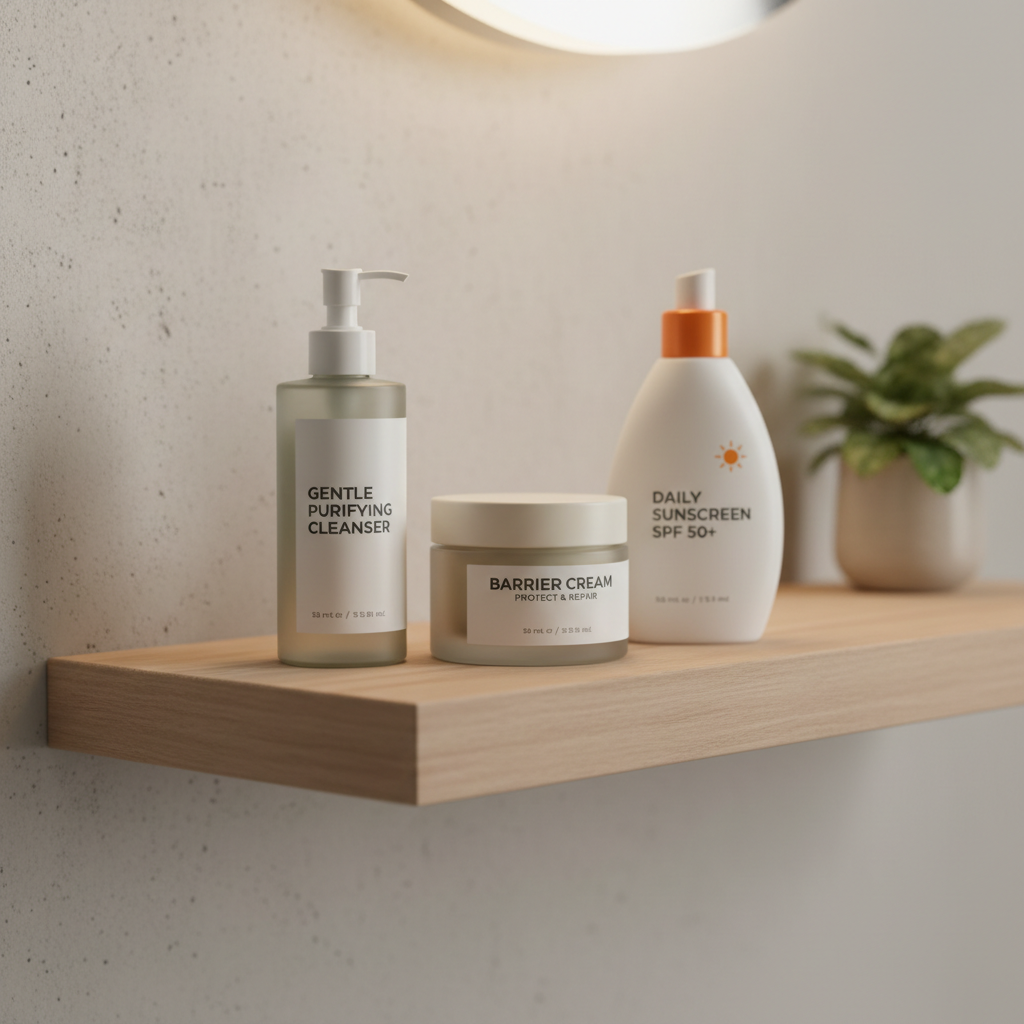
- Cleanse lightly: rinse or use a gentle, non-stripping cleanser if you need it.
- Moisturize on slightly damp skin: apply within a minute after patting, this traps more water.
- Sunscreen: choose a formula that doesn’t dry you out, many mineral sunscreens feel matte and may need a richer base layer.
Night (3–4 steps)
- Remove sunscreen/makeup gently: if you double-cleanse, keep the second cleanser mild.
- Moisturizer: use your richer texture here.
- Target-seal dry zones (optional): a thin layer of petrolatum or dimethicone-heavy balm on corners of mouth, around nostrils.
- Actives (optional): if you use retinoids/acids, buffer with moisturizer and reduce frequency if dryness spikes.
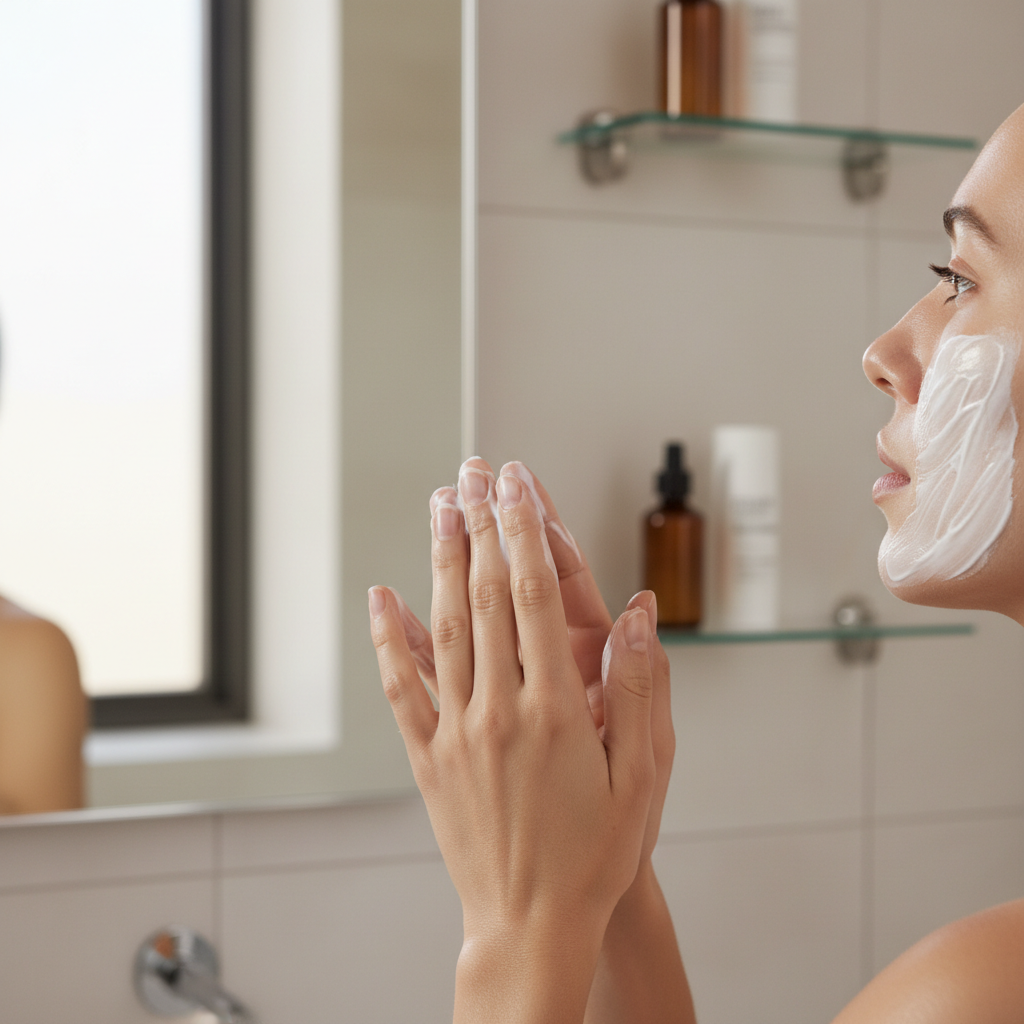
Practical tip: if your moisturizer pills, it’s often too much product or incompatible layering. Use thinner layers, wait 60–90 seconds between steps, and keep the number of steps small until skin feels stable.
Mistakes that keep dry skin stuck (even with a “good” cream)
- Washing too hot or too long: comfort now, dryness later, especially in winter.
- Chasing actives: more exfoliation rarely fixes flakes caused by barrier loss.
- Only moisturizing once: very dry skin often needs morning and night for a while.
- Skipping sunscreen because it feels drying: UV can worsen irritation, try a different sunscreen finish rather than quitting.
- Not patch testing: when your barrier is stressed, even “gentle” ingredients can sting.
According to the National Eczema Association, keeping the skin barrier supported with regular moisturization is a common part of managing very dry, eczema-prone skin, but individual triggers vary, and flares may need medical guidance.
When to consider a dermatologist (or at least ask a pro)
Most dryness improves with a better cleanser, smarter layering, and the right texture, but there are lines worth respecting.
- Cracking, bleeding, or intense itch that doesn’t calm within 1–2 weeks of gentle care.
- Rash-like patches, swelling, or persistent burning, which may suggest dermatitis or an allergy.
- Signs of infection such as oozing, honey-colored crusts, or rapidly spreading redness.
- Long-term steroid use concerns: a clinician can help balance relief with safe use.
This isn’t meant to alarm you, it’s just the reality that “dry skin” sometimes overlaps with eczema, contact dermatitis, or other conditions where product swapping won’t solve the core problem.
Bottom line: how to find your best match
The best moisturizer for dry skin in 2026 is rarely the fanciest jar, it’s the formula you can use consistently, with enough barrier-support ingredients, and a texture that fits your climate and tolerance.
- If you feel tight fast after cleansing, prioritize gentler cleansing and a ceramide-rich cream.
- If you flake under makeup, add glycerin or hyaluronic acid, then seal with a cream that doesn’t pill.
- If you’re very dry at night, try targeted occlusion on the driest areas for a week and reassess.
If you want to act today, pick one moisturizer texture that matches your profile, then run it for 14 days with a simple routine before changing anything else, that’s usually when you can tell if it’s truly helping.
FAQ
What ingredients should I prioritize if my face is dry but sensitive?
Look for glycerin, ceramides, and dimethicone in a fragrance-free base. Many sensitive users do better with fewer plant extracts, even if the product sounds “natural.”
Is hyaluronic acid enough on its own for very dry skin?
Often not. It can hydrate, but without an occlusive or richer cream on top, water can still evaporate quickly, especially in low humidity or heated indoor air.
Why does my moisturizer sting when my skin is dry?
Stinging can happen when the barrier is compromised, even with otherwise mild formulas. Pause strong actives, simplify your routine, and consider patch testing; persistent burning is a reason to consult a professional.
Should I use a face oil instead of a cream?
Oils can improve softness and reduce tightness, but many oils are mostly emollient and don’t replace humectants. A common approach is cream first, then a few drops of oil if you still feel rough.
Can “slugging” help dry skin, and is it safe?
Slugging, using a thin occlusive layer at night, can help reduce water loss for many people. If you’re acne-prone, start with targeted areas rather than the whole face, and stop if congestion worsens.
How do I pick a moisturizer for dry skin under sunscreen and makeup?
Choose a lotion or gel-cream with glycerin plus dimethicone for slip, then apply thin layers and let it set. If pilling happens, cut back product amount and reduce the number of layers.
How long should I test a new moisturizer before switching?
For dryness, 10–14 days usually shows whether tightness and flaking improve. If you get a rash, swelling, or strong burning, stop earlier and consider medical advice.
If you’re comparing options and want a more “no guesswork” path, make a short list based on your dry-skin profile, then test one product at a time with the routine above, it’s slower than impulse buying but typically saves money and frustration.