
Platform sandals for women dressy are the shoes you reach for when you want “put-together” without committing to high heels, but the wrong pair can read bulky, cheap, or uncomfortable fast.
If you’ve ever tried on a platform that felt great in the store but made your outfit look heavy, or rubbed after 20 minutes, you’re not alone. The trick is matching platform height, straps, and materials to the occasion and your foot shape, not just buying whatever looks cute online.
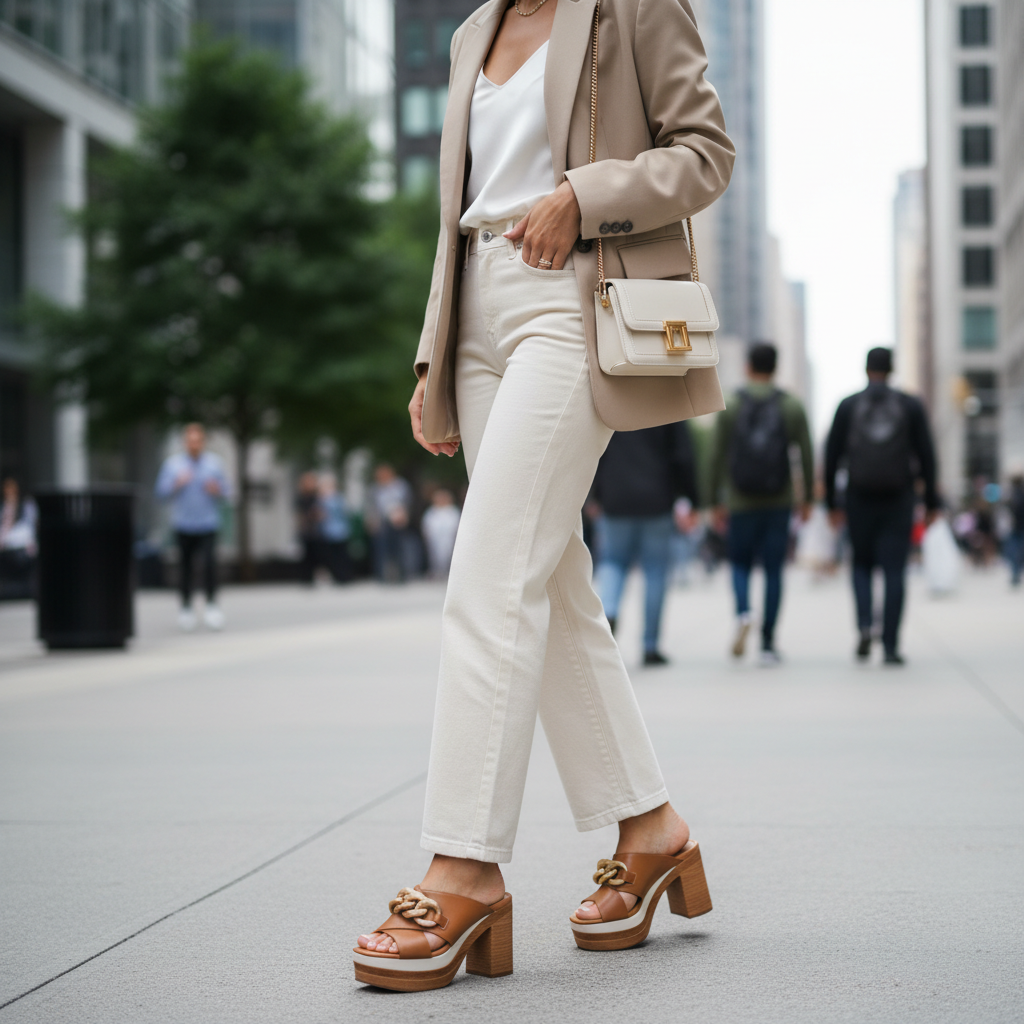
This guide breaks down what “dressy casual” really means for platforms, how to spot quality details, and how to style them for work events, dinners, and weekends without overthinking it.
What “dressy casual” really means in platform sandals
Dressy casual is that middle lane: polished enough for a restaurant or a casual wedding event, relaxed enough for daytime and walking. With platforms, the vibe comes from the upper (straps + finish) as much as the height.
- Dressy signals: smooth leather, suede, satin-like finishes, minimal seams, clean stitching, slimmer straps, refined hardware.
- Casual signals: cork or rope midsoles, chunky lug soles, sporty Velcro straps, contrast topstitching, foam-looking footbeds.
- Best “in-between” look: a streamlined platform with a stable base and simple straps, in neutral tones or a metallic that reads intentional.
One more nuance: a tall platform can still look dressy if the silhouette stays sleek, while a low platform can look casual if the sole is clunky or overly textured.
Why some platforms look elegant and others look bulky
A lot of people blame height, but the real culprit is usually proportion. These are the design choices that most often decide whether a shoe looks elevated or heavy.
Strap placement and coverage
Wide straps across the forefoot can shorten the look of the leg, especially in darker colors. Asymmetrical straps or a slightly higher vamp often looks more refined, and it can hold the foot better too.
Sole profile and “sidewall” finish
A smooth sidewall with a subtle curve reads cleaner than a straight, blocky wall. If the sidewall looks foam-like or overly matte, it tends to feel more casual.
Toe shape
Square toes can look modern and dressy, but if the sole is also chunky, the combo can skew heavy. Almond or softly squared toes are usually the safer “dressy casual” bet.
Quick self-check: which pair will actually work for you?
Before you shop (or before you hit “checkout”), run through this list. It saves you from buying a pretty shoe that you never wear.
- Main use: dinners, office events, travel, everyday errands, or a one-time occasion?
- Walking time: under 30 minutes, 1–2 hours, or “all day on my feet”?
- Foot needs: wide forefoot, high arch, plantar fasciitis history, ankle instability, sensitive toes?
- Preferred security: slip-on, ankle strap, slingback, or full back strap?
- Outfit reality: do you wear more dresses, denim, or tailored pants?
According to the American Podiatric Medical Association (APMA), proper fit and support matter for foot health; if you deal with recurring foot pain, it may help to choose more supportive designs and consider professional guidance.
If your answer includes long walking time or foot sensitivity, prioritize stability and footbed design first, then style.
How to choose: a practical buying guide (materials, fit, comfort)
Here’s the stuff that separates “cute for a photo” from “reliable in real life.”
Materials that read dressy (and hold up)
- Leather or suede: usually looks more polished, and it can mold to the foot over time.
- Metallic leather: easy way to dress up without looking formal, especially in champagne, pewter, or soft gold.
- Avoid flimsy synthetics: they can crease oddly and look dull quickly, though some higher-grade vegan materials can still look premium.
Fit details people forget
- Heel sits centered: if your heel hangs off, you’ll feel unstable and the shoe wears down unevenly.
- Toe placement: you want a small buffer so toes don’t creep over the front edge when walking downhill.
- Strap bite: straps should feel secure, not tight. If they pinch in the store, they rarely “magically loosen” enough.
Comfort features that still look sleek
- Contoured footbed: subtle arch support and a heel cup can reduce fatigue.
- Lightweight platform: height is fine, heavy is the problem. A lighter sole often feels more wearable.
- Rub points: check edges near the pinky toe and top of the instep, common friction zones.
Dressy platform sandals by occasion: what works (and what often doesn’t)
Different settings call for slightly different “signals.” Use this as a shortcut.
| Occasion | Best platform sandal features | Usually skip |
|---|---|---|
| Work event / dinner | Minimal straps, leather/suede, moderate height, stable base | Sporty Velcro, overly textured soles |
| Vacation walking | Back strap, cushioned footbed, grippy outsole, lighter platform | Super high platform with slick outsole |
| Casual wedding guest | Metallic or neutral, elegant toe shape, secure ankle strap | Chunky lug sole, casual cork that clashes with dress fabric |
| Weekend errands | Easy slip-on, medium width straps, durable upper | Delicate straps that twist and rub |
When in doubt for “dressy casual,” pick a cleaner upper and a slightly quieter sole. The outfit does the rest.
Styling playbook: outfits that make platforms look intentional
This is where platform sandals earn their keep. A few combinations consistently look modern in the U.S. market, without feeling try-hard.
With jeans
- Straight or wide-leg denim + a fitted tank or blouse, platforms add height without needing heels.
- Cropped denim works if the straps are refined; too chunky can look bottom-heavy.
With dresses
- Slip dress or wrap dress + sleek platforms, great for dinners and events.
- Maxi dresses pair well with a higher platform, because the hem balances the shoe visually.
With tailored pieces
- Blazer + trousers + platform sandals can read “creative office,” especially in black, tan, or metallic.
- Keep hardware minimal, big buckles can shift the look toward casual.
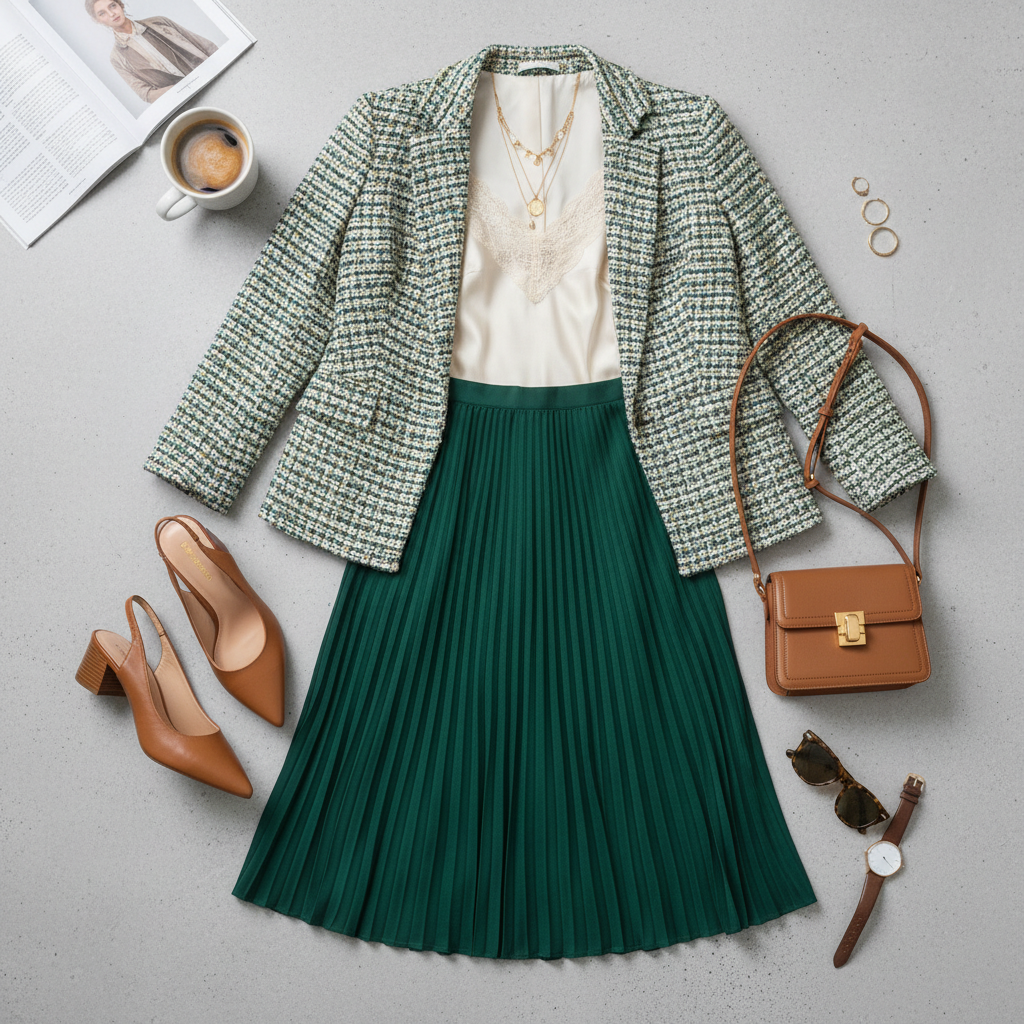
Key point: if the sandal is bold, keep the outfit clean. If the outfit has texture or print, choose simpler straps.
Mistakes that waste money (and how to avoid them)
- Buying height instead of stability: a high platform with a narrow base can feel wobbly. Look for a wider footprint under the heel.
- Ignoring strap adjustability: adjustable buckles or hidden elastic can be the difference between “fine” and “blisters.”
- Assuming break-in will fix pain: light snugness can improve, sharp pressure points usually won’t. Don’t gamble if you already know your hot spots.
- Choosing the wrong neutral: stark white can read casual; warm neutrals and metallics often look more elevated with dressy outfits.
If you have diabetes, neuropathy, or chronic foot conditions, shoe choices can be higher stakes, and it’s smart to ask a clinician or podiatrist what features to prioritize.
Practical shopping steps: a 10-minute process that works
- Step 1: Decide your “most common occasion,” then shop for that, not your fantasy event calendar.
- Step 2: Pick a target height range you can walk in confidently, many people land around a moderate platform for versatility.
- Step 3: Filter by material, then inspect photos for stitching, strap edges, and sole finish.
- Step 4: Check return policy, because fit is everything with sandals.
- Step 5: When they arrive, do a “home test” on clean floors, walk, turn, and go up and down stairs.
Conclusion: the easiest way to get “dressy casual” right
Platform sandals can absolutely cover that dressy-casual sweet spot, but the winners usually share the same traits: a refined upper, stable base, and comfort features that don’t scream “athleisure.” If you pick for your real schedule and your real feet, you’ll wear them far more than you expect.
If you do one thing today, use the self-check list, then narrow your choices to two pairs: one sleek neutral for dinners and events, one more supportive option for walking-heavy days.
FAQ
Are platform sandals for women dressy enough for a wedding?
Often yes, especially in leather, suede, or a subtle metallic with clean straps. For very formal weddings, a more delicate heel might fit the dress code better, so it depends on venue and attire level.
What platform height is easiest to walk in?
Many people find a moderate platform easier than a steep heel because the foot angle feels less aggressive. The base width and outsole grip usually matter more than the number on the listing.
How do I keep platform sandals from rubbing?
Look for smoother strap edges and some adjustability, then test at home. If you’re prone to blisters, blister patches or moleskin can help, but persistent pain points usually mean the fit is off.
Do chunky platforms always look casual?
Not always. Chunky can look fashion-forward if the upper is sleek and the sole finish looks intentional. Lug soles and sporty straps are what most often push the look casual.
What colors are most versatile for dressy casual platforms?
Black, tan, and warm nude tones work for most outfits. Champagne or pewter metallics can act like neutrals while still looking elevated.
Are platforms better than heels for foot comfort?
They can be, because many platforms reduce the heel-to-toe drop, but comfort still depends on fit, footbed shape, and stability. If you have ongoing foot pain, consider asking a professional for guidance.
Can I wear platform sandals to the office?
In many workplaces, yes, if the sandal looks refined and the rest of the outfit leans tailored. Open-toe policies vary by company, so it’s worth a quick check.
If you’re shopping for platform sandals for women dressy and you want a faster short list, focus on a sleek upper, a stable platform, and adjustable straps, then only compare pairs that meet those basics, it keeps you from getting distracted by height and hype.