
how to build capsule wardrobe beginners can trust usually comes down to one thing, deciding what you will actually wear, not what looks good on a rack or in a mood board.
If your closet feels full but mornings still feel stressful, you are not alone, most people do not need more clothes, they need fewer pieces that work together, fit well, and match real life. A capsule wardrobe is basically a small set of versatile items that mix into many outfits, and it can make getting dressed feel boring in the best way.
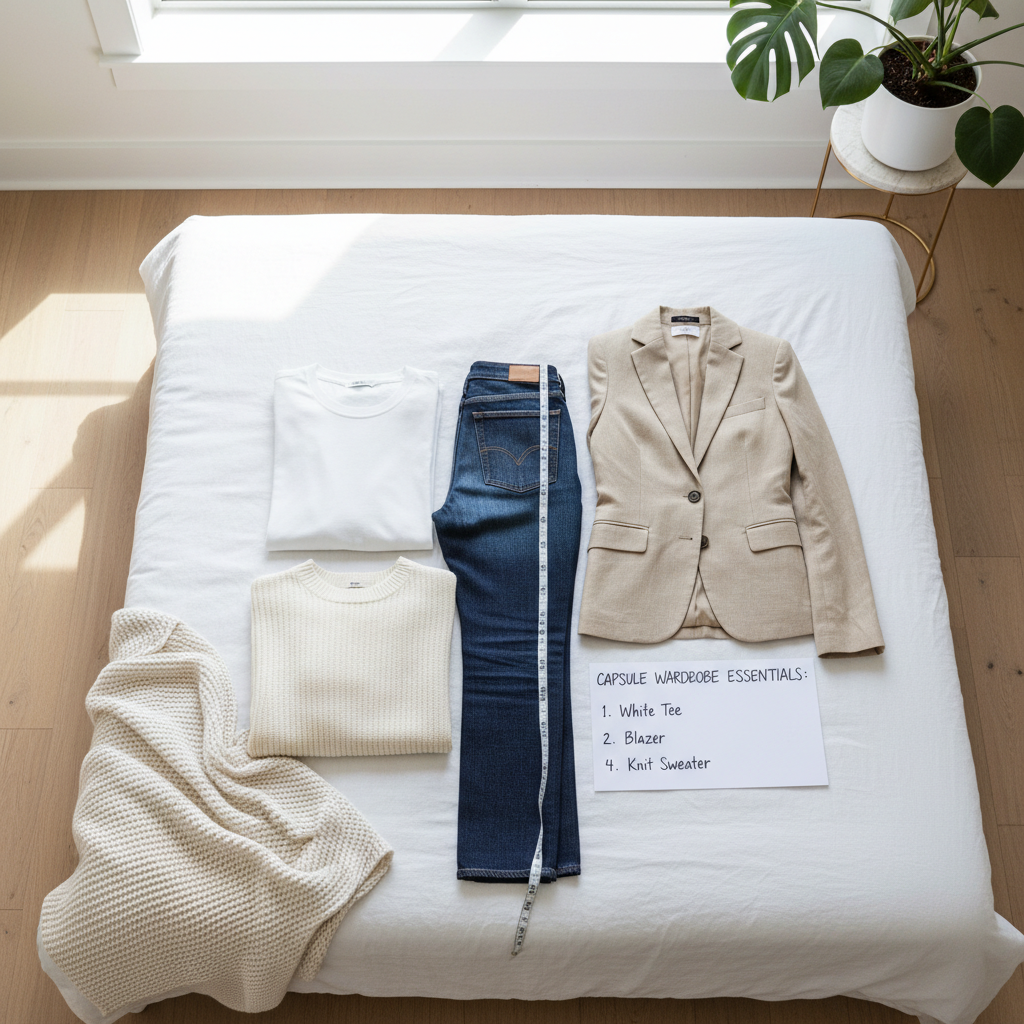
This guide stays practical, you will sort what you own, pick a focused color palette, build a beginner-friendly list, and learn how to shop without accidentally rebuilding the same clutter. I will also point out the spots where people tend to overthink, especially when they want a capsule wardrobe to work for work, weekends, and everything in between.
What a capsule wardrobe is, and what it is not
A capsule wardrobe is a curated collection of clothing that fits your lifestyle and mixes easily. The goal is less decision fatigue, fewer wasted purchases, and more outfits from fewer items.
It is not a strict uniform unless you want that, and it is not a minimalist contest. Many closets become “capsule-like” even at 40–60 items when the pieces coordinate and you can actually rotate them.
- Capsule wardrobe: fewer, better-coordinated pieces you enjoy wearing
- Not required: throwing everything out, wearing only neutrals, or buying all new
- Realistic benefit: you spend less time deciding and more time living
Start with your real life, not your fantasy life
This step looks obvious, yet it is where most beginner plans go sideways. Your capsule should match your week, not your idealized version of it.
Try a quick lifestyle audit for the next 30 days. Think in categories like work, errands, social plans, travel, gym, and “at home but presentable.” Then estimate how many outfits you need in each.
- Work requirements: business casual, scrubs, client-facing, remote video calls
- Climate reality: hot summers, cold winters, heavy rain, indoor AC
- Comfort needs: shoes you can walk in, fabrics that do not itch, easy care
- Dress-code constraints: religious, professional, school pickup, events
According to U.S. General Services Administration (GSA), “most people spend about 90 percent of their time indoors,” which matters because indoor temperature swings often affect what you actually reach for, especially layers.
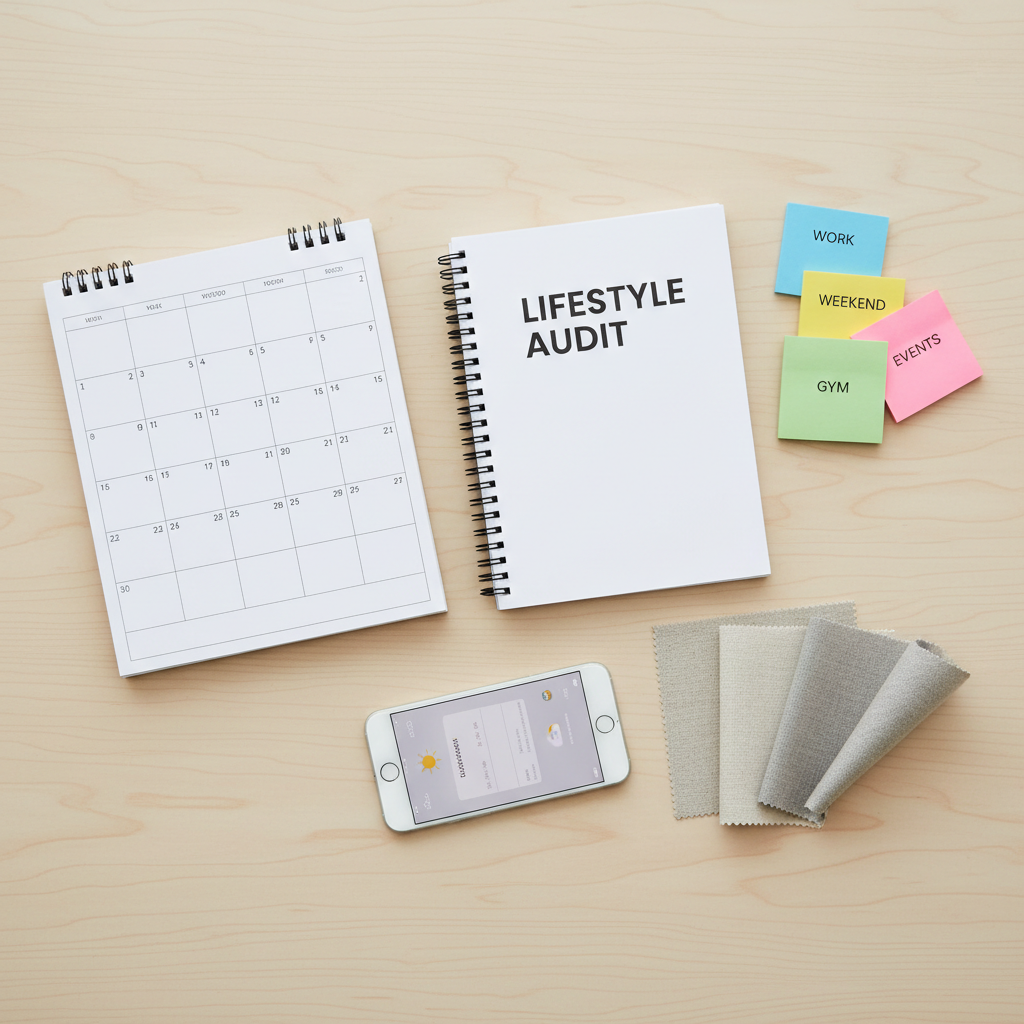
If you are figuring out how to build capsule wardrobe beginners can keep up with, this “real life” lens prevents you from buying a perfect trench coat when you mostly drive, or stocking blazers when you really need polished knits.
Do a closet edit that keeps your confidence intact
A capsule wardrobe starts with what you already own. Editing should feel clarifying, not punishing.
A simple sorting method
- Keep: fits now, feels good, gets worn
- Maybe: fits but you rarely wear, or you are unsure why
- Repair/alter: worth saving, needs a button, hem, or tailoring
- Let go: uncomfortable, poor fit, duplicates you never choose
When you hit “Maybe,” ask one honest question: if this were clean and on top of the laundry, would you pick it this week? If not, it is probably not a capsule piece.
Fit is the quiet dealbreaker
Many wardrobes feel chaotic because fit is inconsistent, not because style is wrong. If you have items that are close-but-not-right, tailoring can be the highest-impact spend in a beginner capsule plan.
Pick a color palette that makes mixing automatic
Color rules are only helpful if they make mornings easier. A beginner-friendly palette is usually built from neutrals plus a small set of accent colors you genuinely like wearing.
- Core neutrals (choose 2): black, navy, charcoal, camel, cream, olive, denim blue
- Support neutral (choose 1): white, heather gray, chocolate, taupe
- Accent colors (choose 1–3): burgundy, forest, cobalt, blush, rust, stripe pattern
If you already own a lot, let your closet tell you what works. Count the colors you wear most, then build around those rather than forcing a new palette.
Key point: Your shoes and outerwear act like “connectors,” if they match your core neutrals, most outfits start working without effort.
A beginner capsule wardrobe list you can actually use
There is no universal number, but many beginners do well starting with 25–35 core pieces (not counting workout gear, formalwear, or specialty uniforms). Keep it flexible, you can expand once you see gaps.
Here is a practical starter table you can adapt. If an item does not match your life, swap it, do not force it.
| Category | Starter pieces | Notes for beginners |
|---|---|---|
| Tops | 2–4 tees, 2–3 elevated tops, 1–2 layering tanks | Choose cuts you reach for, necklines matter on camera |
| Knitwear | 1–2 sweaters, 1 cardigan or knit blazer | Indoor AC makes this more useful than you expect |
| Bottoms | 1–2 jeans, 1 trouser, 1 casual pant or skirt | Keep washes consistent so tops mix easily |
| Dresses/one-pieces | 0–2 simple dresses or a jumpsuit | Optional, pick only if you wear them often |
| Outerwear | 1 light jacket, 1 warm coat (seasonal) | Outerwear can make basic outfits look intentional |
| Shoes | 1 sneaker, 1 everyday shoe, 1 dressier option | Comfort and walking needs come first |
| Finishing pieces | 1 belt, 1 bag, 1–2 simple jewelry items | Small upgrades, big effect on “put-together” feel |
If you are learning how to build capsule wardrobe beginners can stick with, start by building around 8–12 “hero” items you already love, then fill gaps slowly.
How to build outfits fast: a repeatable formula
Capsule wardrobes work because you stop reinventing the wheel every morning. A simple formula keeps variety without chaos.
- Base: tee or knit top + jeans/trouser
- Structure: blazer, cardigan, denim jacket, or overshirt
- Intentional detail: tuck, belt, cuff, simple jewelry, or a clean shoe choice
Make 10 outfits now, not later. Take quick phone photos so you have a “menu” when you feel stuck, it is a small thing that helps more than most people expect.
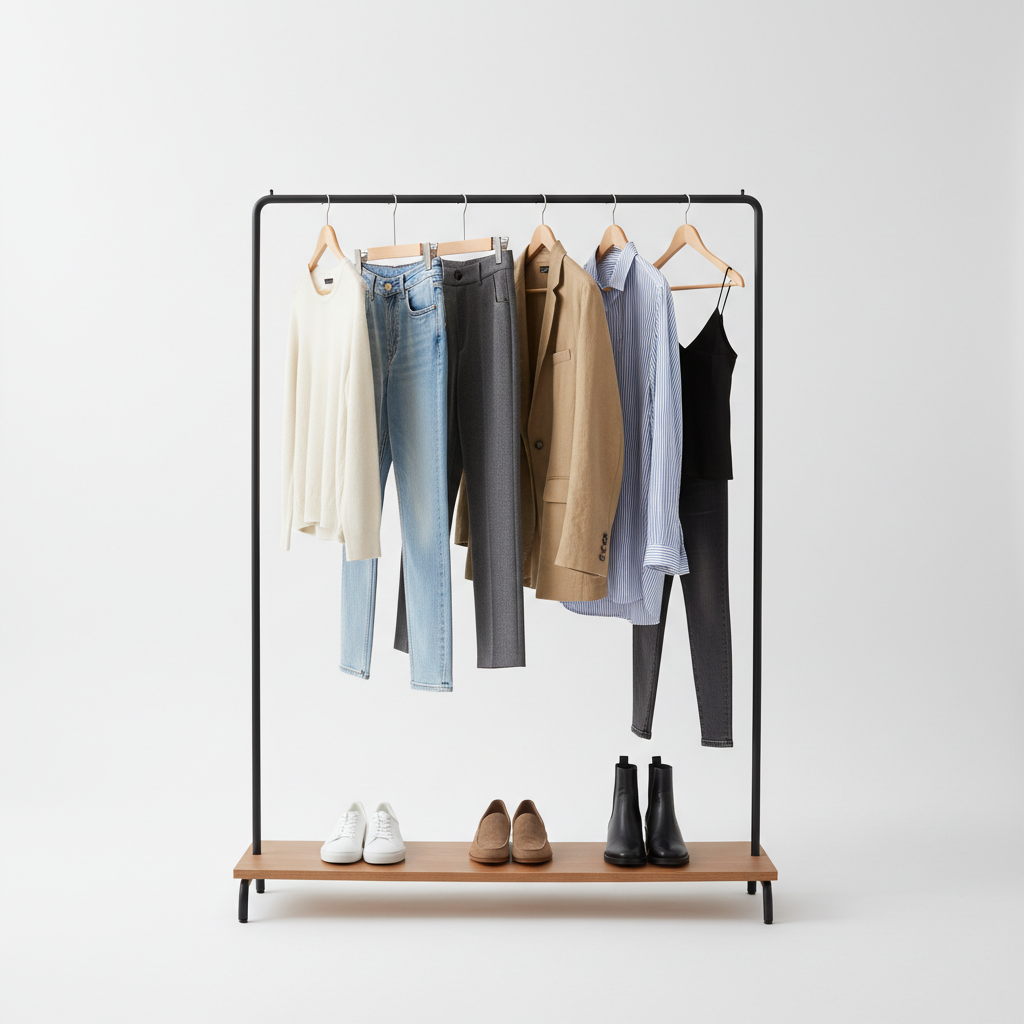
Key point: Repeating silhouettes is not boring, it is how you make getting dressed feel easy while still looking like yourself.
Shopping rules that prevent “capsule drift”
Capsule drift is when you start with a tight plan, then a few trendy purchases later, nothing matches again. A simple set of rules keeps you honest without making shopping miserable.
- One in, one out for categories that already feel full
- Buy to fill a named gap, not to chase a vibe
- Try the three-outfit test: can you style it three ways with items you own?
- Check care needs: if it requires special handling you will avoid it
- Wait 48 hours on non-urgent buys, impulse is the real budget leak
For beginners, it also helps to keep a short “do not buy” list, usually duplicates, uncomfortable shoes, and colors you admire but never wear.
According to Federal Trade Commission (FTC), consumer guides recommend being cautious with “limited-time” urgency claims in advertising, which is a good reminder to slow down before you add another almost-right piece.
Common mistakes, and how to avoid them
- Going too small too fast: if you cut to 10 items overnight, laundry and boredom may push you into rebound shopping
- Ignoring underwear and basics: the wrong bra or base layer can ruin otherwise good outfits
- Buying “investment” pieces without daily use: expensive does not help if it stays on a hanger
- Forgetting your body and comfort preferences: if you dislike tight waistbands, do not build around them
If any clothing changes connect to body changes, sensory concerns, or health conditions, a stylist or tailor can help with fit choices, and for skin sensitivities it may be smart to ask a healthcare professional for guidance on fabrics or irritation triggers.
Practical 14-day plan to build your capsule without stress
If you want a simple timeline, this two-week approach keeps momentum while leaving room for real life.
- Days 1–2: lifestyle audit and color palette
- Days 3–5: closet edit, set aside “Maybe” in a box
- Days 6–7: identify gaps, write a short shopping list
- Week 2: create 10 outfits, track what you wear, then shop only for the top 1–3 gaps
At the end of 14 days, open the “Maybe” box again. Items you never missed usually do not belong in your core wardrobe, and that is a relief, not a failure.
Conclusion: keep it flexible, keep it wearable
how to build capsule wardrobe beginners can maintain is less about rules and more about repeatable decisions, pick a palette that mixes, keep pieces that fit your actual week, and shop only to fill clear gaps.
Your next move can be small, choose five outfits you already love, list what makes them work, then edit and shop around that truth. If you keep the process grounded in what you wear, the capsule wardrobe almost builds itself.