
women flannel shirt plaid oversized is one of those searches that usually means you want the cozy look without the “why is this swallowing me” fit, or you want the oversized vibe without ending up with a stiff, scratchy shirt that lives in the back of your closet.
Flannel is simple on paper, but in real shopping it gets messy fast: “oversized” means different things by brand, plaid patterns change how bulky a shirt feels, and fabric blends can look right while wearing totally wrong.
This guide breaks it down in plain terms, how to judge fit in 30 seconds, what fabric details matter, how to style it for everyday US wardrobes, and what to watch so you don’t overpay for a shirt that pills after two washes.
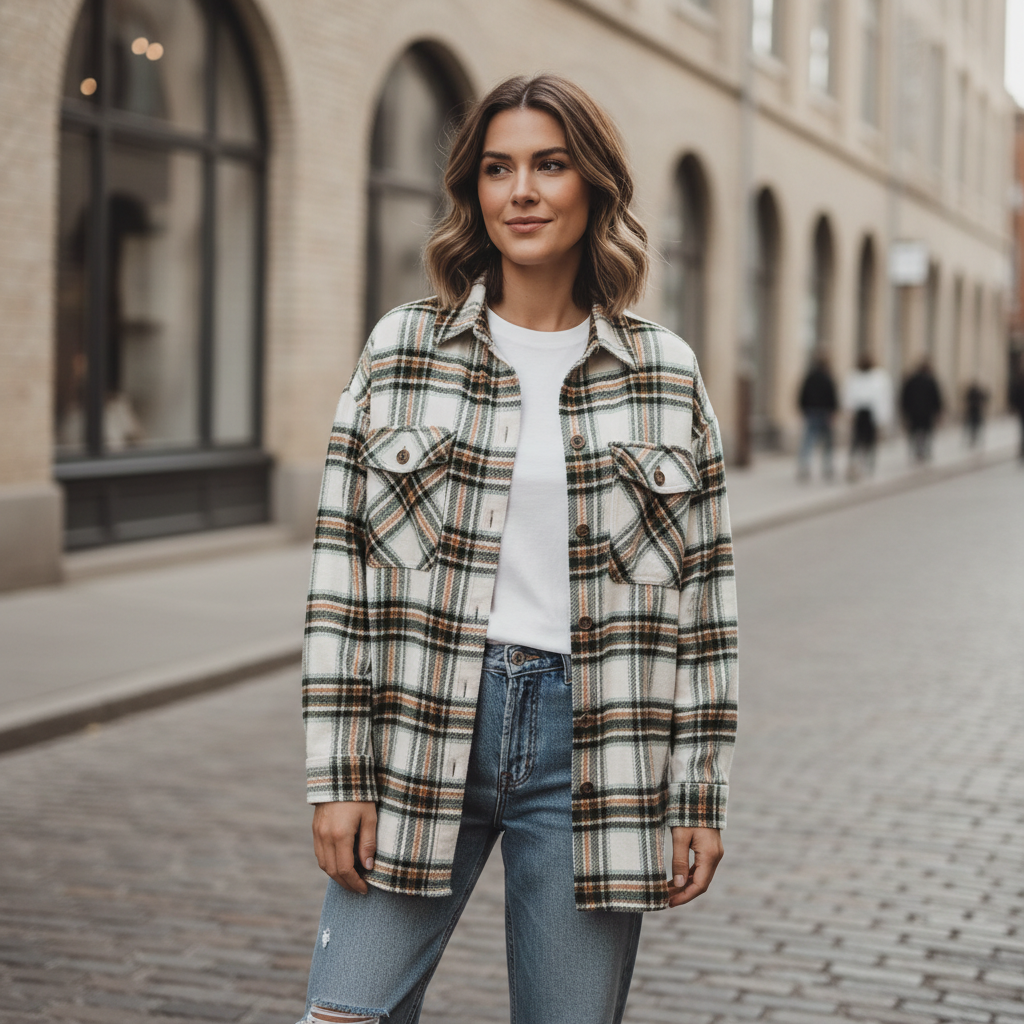
Why oversized plaid flannel works (and when it doesn’t)
When an oversized flannel works, it does three jobs: it’s a light jacket, a layering piece, and an outfit “anchor” that makes basics look intentional. The plaid pattern also hides wrinkles and minor wear better than solid colors, which is why people keep reaching for it.
- Comfort without fuss: roomy shoulders and sleeves make it easy over tees, thermals, and hoodies.
- Season-flexible: midweight flannel can carry you from early fall into mild winters depending on where you live.
- Style shortcut: plaid reads “styled” even if the rest is denim and sneakers.
When it doesn’t work, it’s usually one of these: the shirt is too long and looks like a sleep shirt, the shoulder seam drops past where your arm starts, or the fabric is so stiff it stands away from the body.
Fabric and build: what to check before you hit “Add to cart”
Most disappointment comes from fabric expectations. Some “flannel” is true brushed cotton, some is a smoother twill, and some is a blend that feels fine on day one and rough later. According to Federal Trade Commission (FTC), textile labels must disclose fiber content, which is your best clue when product photos look identical.
Quick fabric cues that actually matter
- 100% cotton: often softer over time, breathable, may shrink a bit if not pre-shrunk.
- Cotton/poly blend: usually holds shape better, can feel less breathable, may pill depending on knit and brushing.
- “Brushed” finish: the fuzzy surface that feels warm, but can trap lint and pet hair more easily.
- Weight: lighter flannel drapes and layers, heavier flannel wears more like a shacket.
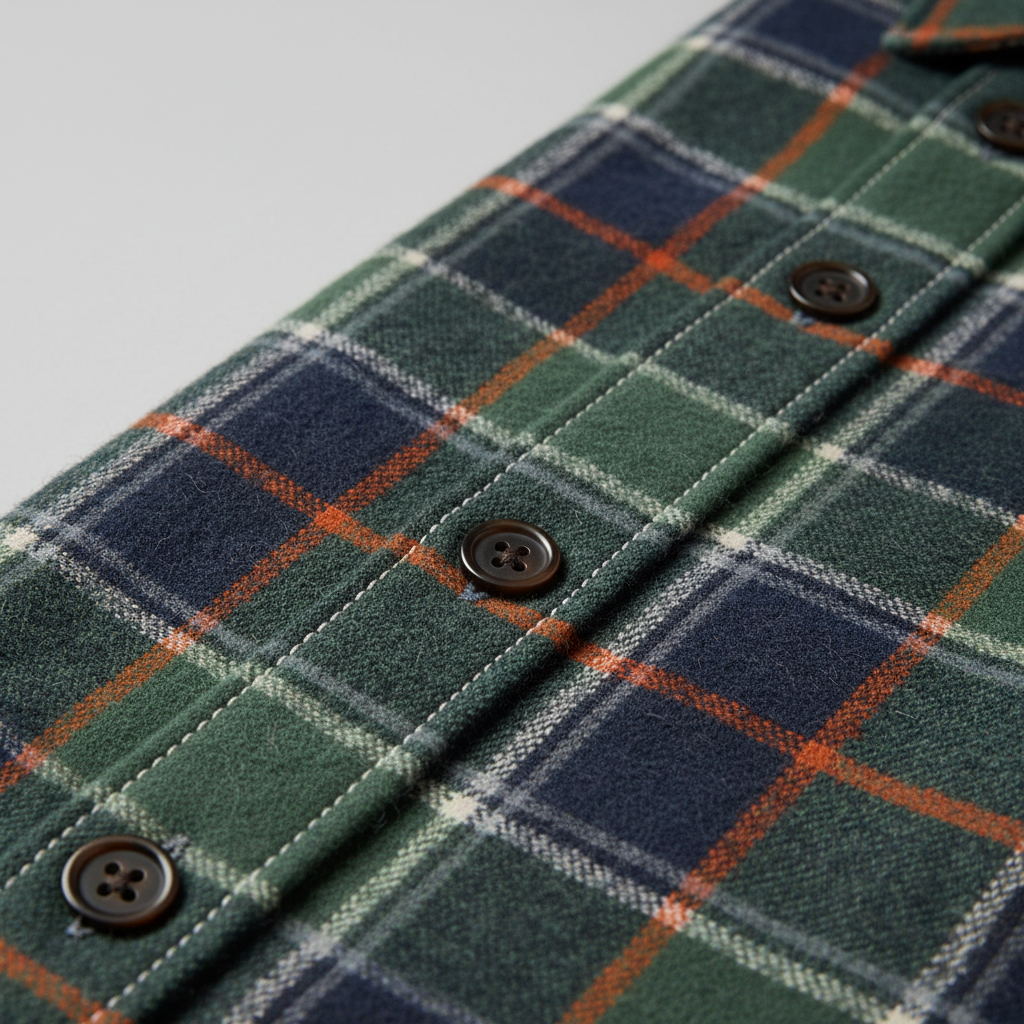
Build details also separate a shirt you wear weekly from one that looks good only on a hanger: double-stitched side seams, clean pattern matching at the placket, and buttons that don’t feel like they’ll pop off on the second wear.
Fit and sizing: a fast self-check for “oversized” (not “too big”)
Shopping a women flannel shirt plaid oversized style is less about “size up” and more about where the volume sits. You want ease in the body and sleeve, not chaos at the shoulders and neckline.
30-second mirror checklist
- Shoulders: seam can drop a little, but shouldn’t land halfway to the elbow.
- Collar: should sit flat; gapping usually means the neck is too big.
- Sleeves: roomy is good, but cuffs shouldn’t cover your entire hand unless you plan to roll them.
- Length: back hem ideally hits around mid-hip to upper-thigh for easy layering; longer can work, but it changes proportions.
- Button pull: if buttons strain across the chest when closed, it’s not oversized, it’s tight in the wrong place.
If you’re between sizes, many people do better choosing the size that fits shoulders and then getting the oversized look from the cut, not from extra inches everywhere.
Choosing plaid: color, scale, and how it changes your silhouette
Plaid isn’t just “which color do I like.” Pattern scale and contrast change how bulky an oversized shirt reads, especially in photos and in real life. High-contrast buffalo checks can feel louder and boxier; smaller plaids look calmer and sometimes slimmer.
| Plaid type | Best for | Watch out for |
|---|---|---|
| Buffalo check (big squares) | Statement layer, simple outfits | Can look extra boxy in very oversized cuts |
| Classic tartan | Preppy-casual, office casual layering | Busy colors may limit outfit combos |
| Small-scale plaid | More subtle everyday wear | Cheaper prints can look “flat” up close |
| Muted, low-contrast plaid | Easy to mix with neutrals | Can read “washed out” if fabric quality is low |
Practical tip: if you want maximum wear, start with a plaid that already matches your most-worn bottoms. In many US closets, that’s medium-wash denim, black denim, or straight-leg khakis.
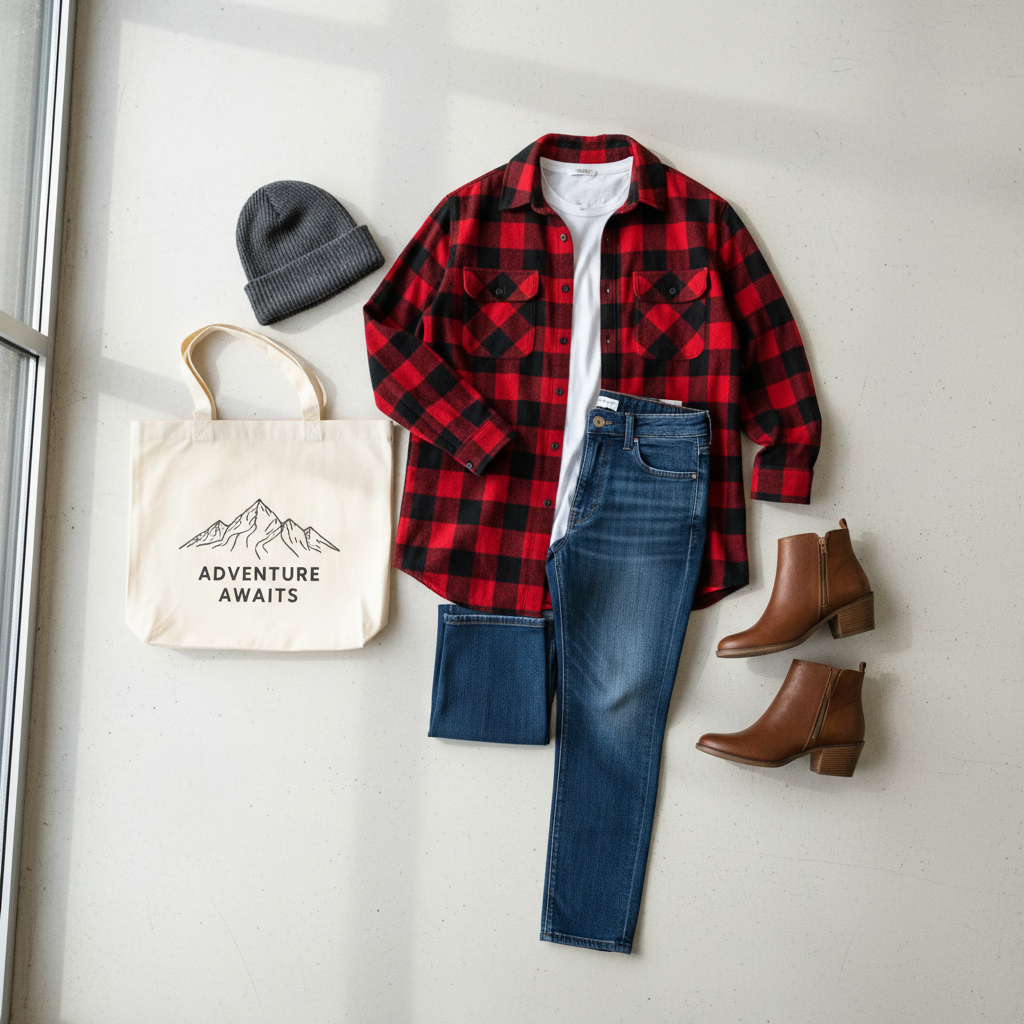
How to wear an oversized flannel: 6 outfit formulas you can repeat
The easiest way to get value from a women flannel shirt plaid oversized pick is to treat it like a system. Same shirt, different base layer and shoe, and suddenly it feels like multiple outfits.
- Open over a white tee + straight jeans: clean and low-effort, works in most climates.
- Half-tucked with leggings: add structure up top, keep the look sporty.
- Buttoned as a top + wide-leg denim: choose a slightly lighter flannel so it drapes.
- Layered over a hoodie: size matters here; you want sleeve room and a flexible armhole.
- Belted like a shirt-jacket: best with midweight flannel and a shorter length.
- Under a puffer or trench: pick a smoother flannel to avoid bulk at the arms.
Key point: if you keep the bottom half slimmer, you can go more oversized on top; if you love baggy denim, pick a slightly less voluminous flannel so the outfit still has shape.
Care, shrinkage, and keeping flannel soft
Flannel often feels amazing in the store, then gets stiff, shrinks, or pills. That’s usually wash routine, water temperature, and dryer heat. According to American Cleaning Institute (ACI), following care labels and using appropriate water temperature helps protect fabrics and color.
Simple care routine that works for most flannels
- Wash cold or cool, especially for darker plaids.
- Turn inside out to reduce surface abrasion and pilling.
- Avoid overloading the washer, friction is what roughs up the brushed face.
- Air dry or tumble low; high heat can tighten cotton fibers and increase shrink risk.
- If it feels stiff, a lower-heat dry with dryer balls can help soften without cooking the fabric.
If you have sensitive skin, blends and heavy brushing can sometimes feel itchy. That’s personal and varies, so if you’re unsure, it may be worth testing one shirt before buying multiples.
Common mistakes to avoid (they waste money fast)
- Buying “oversized” without checking shoulder fit: the shoulder seam is the quickest tell that a shirt will look sloppy.
- Ignoring length: a long hem can be great, but it changes how you layer and can overwhelm petite frames.
- Assuming thicker equals warmer: weave and brushing matter, plus what you layer underneath.
- Only styling it one way: if you never wear it buttoned, prioritize drape and sleeve comfort over a perfectly tailored bust fit.
- Skipping fiber content: “flannel” describes a finish, not a guaranteed fabric experience.
Conclusion: how to buy your next flannel with fewer regrets
A good women flannel shirt plaid oversized option should feel easy the moment you put it on, roomy where you move, and flexible enough to wear as a shirt or a light layer. If you remember only two things, make it these: fit starts at the shoulders, and fabric content tells the truth when photos don’t.
If you’re shopping today, pick one plaid that fits your everyday shoes and denim, confirm fiber content, then use the quick mirror checklist before you commit. You’ll end up with a shirt you reach for, not one you “save” for the right outfit.
FAQ
What does “oversized” mean in women’s flannel shirts?
Usually it means extra ease in the body and sleeves with a more relaxed shoulder. The tricky part is that brands define it differently, so checking garment measurements is often more reliable than the word “oversized.”
Should I size up to get an oversized plaid flannel look?
Sometimes, but not always. If sizing up drops the shoulder seam too far or makes the collar gape, you’ll get “too big” instead of intentionally relaxed. Many shoppers do better buying the intended oversized cut in their normal size.
Is 100% cotton flannel better than a cotton-poly blend?
It depends on what you value. Cotton often feels more breathable and can soften over time, while blends can resist wrinkles and hold shape. If you dislike pilling, you may want to read reviews closely and avoid very fuzzy finishes.
How do I wear an oversized flannel without looking boxy?
Add one point of structure: a half-tuck, rolled sleeves, a fitted base layer, or a belt. Also pay attention to length, a mid-hip to upper-thigh hem is easier to balance than a very long cut.
Can I wear an oversized flannel to a casual office?
In many workplaces, yes, especially in a muted plaid over a solid tee or knit top. Keep the rest of the outfit clean, dark denim or tailored pants, minimal sneakers or ankle boots, and skip overly distressed pieces.
How do I stop flannel from shrinking?
Cold wash and low heat are the main levers. If shrinkage is a big concern, look for “pre-shrunk” notes, and consider air drying the first wash to see how the fabric behaves.
What’s the difference between a flannel shirt and a shacket?
A shacket is typically heavier and cut more like outerwear, with a boxier body and sometimes a lining. A flannel shirt is usually lighter and designed to layer under jackets more comfortably.
If you’re trying to narrow down a women flannel shirt plaid oversized choice quickly, start by deciding whether you want it to act like a shirt or like a light jacket, then match fabric weight and length to that goal, it saves a lot of second-guessing at checkout.