
Best setting powder for oily skin choices usually come down to one thing: how well a formula controls shine without making skin look dry, cakey, or textured by noon. If your T-zone turns glossy fast, powder can be your easiest “pressure valve”, but only when the formula and technique match your skin.
What makes this tricky is that oily skin often comes with dehydration, larger-looking pores, or acne-prone sensitivity. A powder that looks perfect under bathroom lighting can flash back in photos, cling to texture, or separate around your nose once oils break through.
This guide helps you pick the right finish, understand ingredients that matter for oil control, and apply powder in a way that looks like skin. I’ll also share a quick decision table, plus a few realistic “if this happens, do that” fixes.
What “oily skin” needs from a setting powder (and what it doesn’t)
Oil control sounds simple, but the best formulas do more than soak up sebum. They also keep foundation from sliding, reduce the look of pores, and stay comfortable through heat and humidity.
- Oil absorption without overdrying: you want a soft-matte hold, not a tight, dusty finish.
- Texture-friendly blur: especially around pores, smile lines, and the sides of the nose.
- Low risk of flashback: key if you take photos with flash or strong overhead lighting.
- Wear that fails gracefully: even good powder won’t stop oil forever, but it should fade evenly instead of breaking up in patches.
What you usually don’t need is a super-heavy layer everywhere. Many oily-skin complaints come from too much powder too early, which can trigger cakiness, then oil breaks through anyway.
Quick comparison table: pick your powder type in 30 seconds
If you’re deciding between loose, pressed, tinted, and translucent, use this as your shortcut. It’s not “one size fits all”, but it narrows the field fast.
| Powder type | Best for | Finish | Watch-outs |
|---|---|---|---|
| Loose translucent | Long wear, oil control, setting foundation | Soft-matte to matte | Can flash back if overapplied; messy for travel |
| Pressed translucent | Touch-ups, on-the-go shine control | Natural-matte | Can build texture if layered repeatedly |
| Tinted/colored setting powder | Light coverage, smoothing, correcting tone | Natural to soft-matte | Shade mismatch can oxidize or look heavy |
| Finishing powder | Blurring + “filter” effect after setting | Soft-focus, sometimes luminous | May not control oil well on its own |
Ingredients that usually work well for oil control
Reading an ingredient list isn’t fun, but a few common materials explain why one powder stays smooth while another turns chalky. According to the U.S. Food and Drug Administration (FDA), cosmetic labeling helps consumers identify ingredients and make choices that fit sensitivities and preferences.
Here are ingredients you’ll see often in the best setting powder for oily skin formulas, plus why they matter.
Oil-absorbing powders (the “mattifiers”)
- Silica: lightweight, blurring, popular for reducing shine; can look dry if you pack it on.
- Cornstarch or tapioca starch: absorbs oil well, often feels softer; may not suit everyone if you’re very acne-prone.
- Kaolin clay: strong oil control; can feel a bit “grippy” and may emphasize dryness if your skin is dehydrated.
Slip and smoothing agents (the “texture helpers”)
- Mica: adds smooth glide and sometimes a subtle sheen; great when you want matte but not flat.
- Dimethicone-treated powders: help product sit evenly and reduce caking in pores for many people.
If you’re sensitive or acne-prone
Fragrance and some botanical extracts can be irritating for certain skin types, even if the product is marketed as “clean.” If you’re dealing with persistent breakouts or irritation, it may be worth checking with a dermatologist or licensed professional for personalized guidance.
A simple self-check: which “oily skin” are you?
“Oily” isn’t one category. This quick checklist helps you choose finish and application style without guessing.
- Shiny by 11 a.m., makeup slips around nose/chin: you likely need stronger oil absorption and targeted pressing.
- Oily but flaky around mouth or between brows: you may be dehydrated; use lighter powder and avoid baking.
- Pores look larger with powder: switch to a finer-milled powder and use a puff to press, not a brush to swirl.
- Breakouts get worse with heavy base makeup: try a lighter foundation plus a tinted setting powder to reduce layers.
- Flashback in photos: reduce the amount, avoid heavy layering, and consider a powder known for low flashback.
If more than one bullet sounds like you, that’s normal, it just means you’ll get better results by applying powder in zones instead of everywhere.
How to apply setting powder for oily skin (realistic, not fussy)
The technique matters as much as the product. A common mistake is trying to “powder away” oil before your base settles, then everything shifts.
Step-by-step for a clean matte hold
- Start with thinner base layers: oily skin often wears better with less product. Let foundation set for a minute before powder.
- Press, don’t sweep: use a velour puff or dense sponge, press powder into the T-zone, then roll lightly. This anchors makeup instead of moving it.
- Use a brush only to soften edges: a fluffy brush is great to blend the perimeter, not to do the heavy lifting on the nose.
- Powder in zones: forehead, sides of nose, chin, and under-eye only if you crease there.
- Finish with a light setting spray: it can melt powder into the skin look. Let it dry fully before touching your face.
Key takeaway (worth remembering)
If your powder looks heavy right away, it rarely “settles down” later. Use less, press it in, then evaluate after 10 minutes.
Touch-ups that don’t turn cakey
Touch-ups are where many oily-skin routines go off the rails. Layering powder on top of fresh oil can create a paste-like texture.
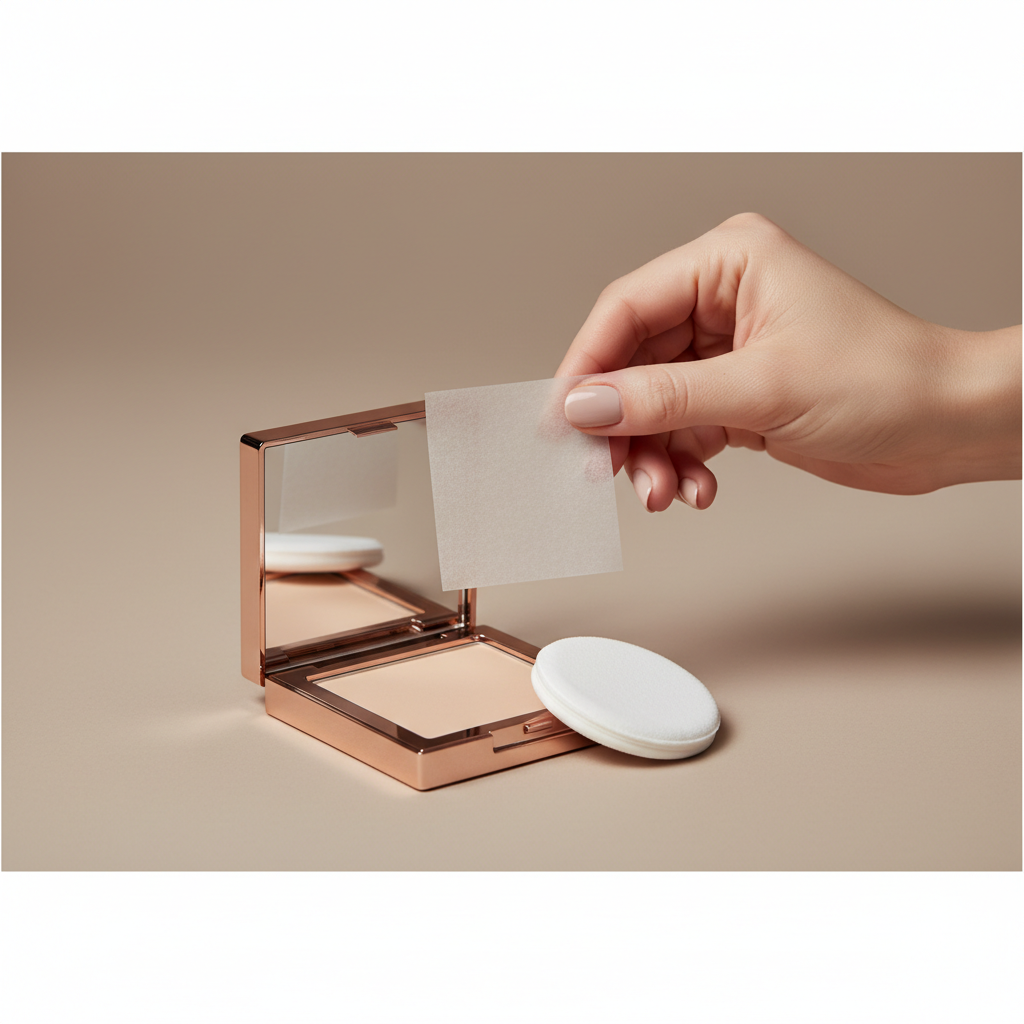
- Blot first: blotting paper or a clean tissue removes surface oil without adding more product.
- Then add a small amount of pressed powder: focus on the center of the face, using a puff for control.
- If you look dry but still shiny: try a very light mist of setting spray, wait 20–30 seconds, then tap with a sponge.
This is also why many people keep two powders: a loose powder for morning setting, a pressed powder for midday repairs.
Common mistakes when choosing the best setting powder for oily skin
A lot of “this powder didn’t work” stories are really mismatch problems. Here are the ones that show up most.
- Choosing the most matte option when skin is dehydrated: it can magnify texture and trigger more visible oil later.
- Using a powder with the wrong undertone: tinted powders can warm up or look dull if undertone is off, especially in daylight.
- Baking daily: baking can look great on camera, but for everyday wear it often emphasizes pores and fine lines on oily skin.
- Skipping primer when makeup slips: some faces need a gripping or oil-control primer in the T-zone to stop movement.
- Expecting powder to fix skincare: if you’re very oily, a gentle cleanser and non-comedogenic moisturizer often make powder behave better.
According to the American Academy of Dermatology Association (AAD), using products labeled “non-comedogenic” may help reduce clogged pores for many people, though results vary by individual.
Conclusion: how to choose with confidence
The best setting powder for oily skin is the one that controls shine in your problem zones, looks smooth up close, and still feels comfortable after a few hours. In practice, that usually means a finely milled loose powder for your initial set, plus a pressed powder for touch-ups, with a press-and-roll application instead of aggressive brushing.
If you want a simple next step, do this: pick one translucent loose powder for oil control, test it for three full days using the same base makeup, and change only one variable at a time. That’s how you learn what your skin actually responds to, not what the lighting tricked you into believing.
FAQ
What is the best setting powder for oily skin if I hate a “dry” look?
Look for a soft-matte powder that blurs without looking chalky, and apply it only where you get shiny. A light finishing mist after powder often helps it read more like skin.
Should I use loose or pressed powder for very oily skin?
Loose powder typically sets makeup more thoroughly, while pressed powder is easier for touch-ups. Many oily-skin routines work best with both, used at different times.
Why does my makeup separate after I powder?
Usually it’s too much powder too early, or the base underneath is too thick. Let foundation settle, then press a smaller amount into the T-zone instead of sweeping everywhere.
How do I stop powder from emphasizing pores?
Use a finer-milled formula and press it in with a puff, then lightly buff the edges with a soft brush. Also check your primer, some pore-filling primers pair better with certain powders.
Is translucent powder always better than tinted for oily skin?
Not always. Translucent is more forgiving for shade match, but a tinted powder can reduce the need for heavy foundation layers, which sometimes wears better on oily skin.
Does setting spray replace setting powder for oily skin?
In many cases, no. Setting spray can improve longevity and melt layers together, but powder still does the heavy oil-control work. Layering both lightly often looks more natural than overusing either.
What if I’m oily and acne-prone, can powder make it worse?
It depends on the formula and how you remove it. If you notice increased congestion, try simplifying layers, choose non-comedogenic options when possible, and consider professional advice if breakouts persist.
If you’re trying to narrow down a best setting powder for oily skin pick without buying a drawer of “almost works,” it can help to list your top two problems, shine vs pores vs flashback, then match the powder type and application method to those priorities, a small tweak often makes a bigger difference than chasing the newest launch.