
Best sunglasses for round face shopping gets easier once you focus on adding angles and a little visual lift, instead of chasing whatever trend shows up on your feed.
If you have fuller cheeks, a softer jawline, and your face width and length feel similar, the wrong frames can make everything look even rounder, especially in selfies and bright outdoor light where lenses hide your brows.
This guide breaks down what usually works, what often backfires, and how to choose a pair that looks intentional, not “I grabbed these at checkout.”
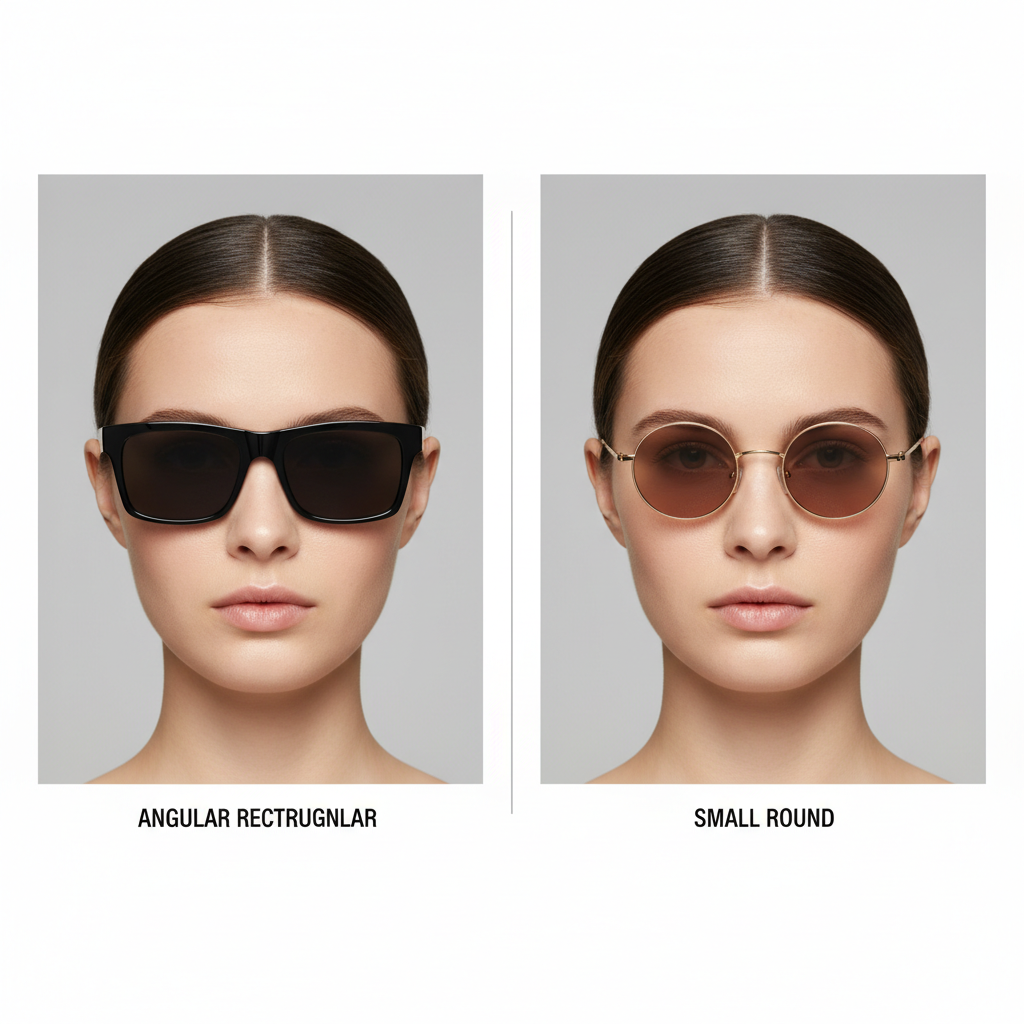
What “round face” really means (and why frame shape matters)
Most people call it a round face when the cheeks read as the widest point and the jawline looks curved rather than sharp, with face length not much longer than width. Real life is messier though, lots of people sit between round and oval.
The practical goal for sunglasses is simple: introduce contrast. Angular frames add structure, upswept frames add lift, and slightly oversized frames can create a longer line so the face reads more balanced.
According to the American Academy of Ophthalmology, sunglasses should block 99% to 100% of UVA and UVB rays, so style is important, but UV protection and coverage still sit at the top of the list.
Quick picks: frame shapes that tend to flatter round faces
You do not need a dozen rules, you need a short shortlist you can recognize in a store mirror.
- Rectangular and square: Adds edges, helps cheeks look less dominant, usually the safest first try.
- Wayfarer: Similar benefit to square, often slightly wider at the top which feels stabilizing.
- Cat-eye: The upsweep pulls attention up and out, great when you want “lift” without going huge.
- Browline / Clubmaster-style: More visual weight on top can make the face look longer.
- Aviator (slightly squared or teardrop): Works best when lens height does not overwhelm the cheeks.
In many cases, the “best sunglasses for round face” are simply frames that are a touch wider than your cheekbones with a clear top line.
Fit matters as much as shape: the checklist people skip
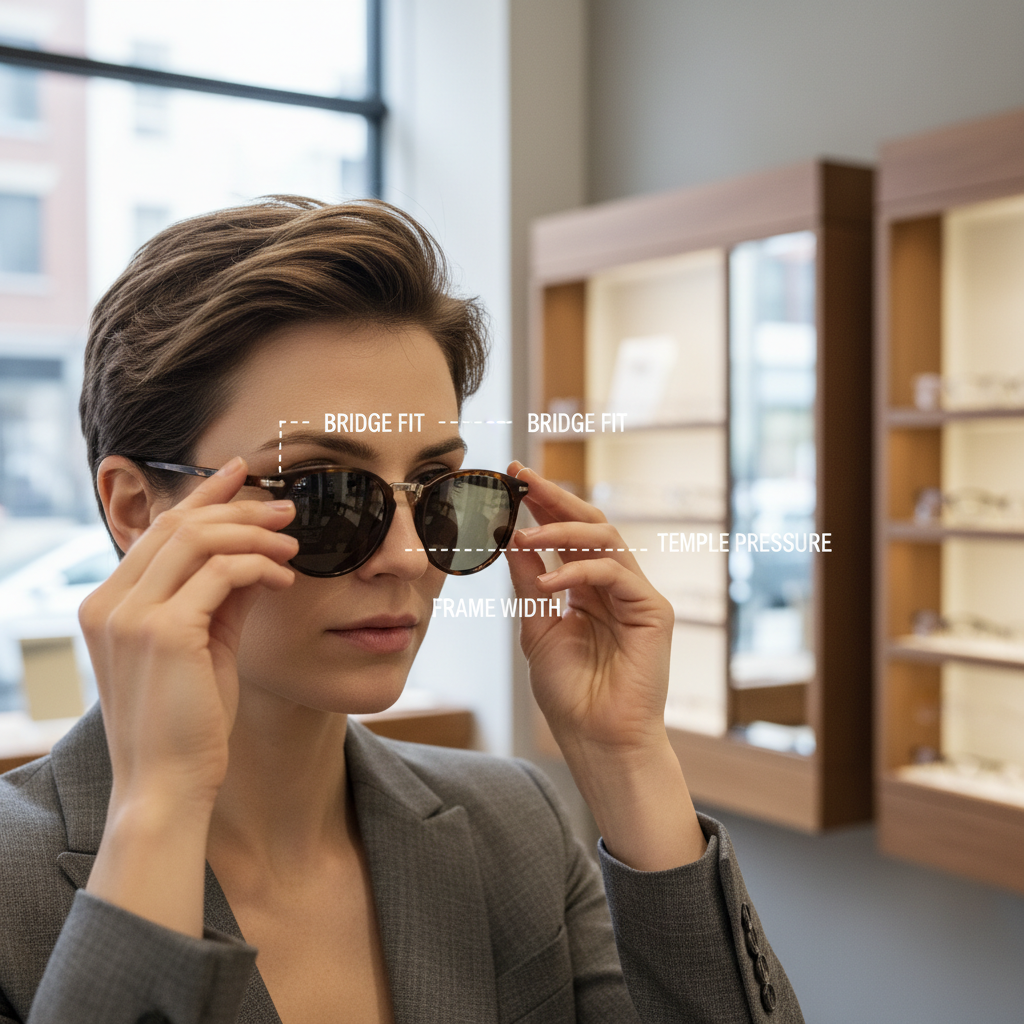
Two people can buy the same style and get opposite results because fit changes everything. Use this quick check while trying pairs on.
- Frame width: Ideally slightly wider than your cheekbones, not squeezing them.
- Bridge fit: No sliding down, no pinching; if it constantly slips, the “flattering” shape won’t matter.
- Lens height: Very tall lenses can make the midface look fuller, mid-height is often easier.
- Top line position: A higher top line can visually lengthen the face, especially if brows stay visible.
- Temple pressure: Tight temples can push cheeks outward, subtly increasing the round look.
What to avoid (not because it’s “wrong,” but because it’s easy to regret)
Some frames can still work on a round face, but they become harder to style and easier to feel “off” in photos.
- Small round frames: They echo face curves, which can amplify roundness.
- Perfect circles: Similar issue, especially if the frame is narrow and sits inside the cheek width.
- Oversized, super-tall lenses: Can cover brows and add visual weight to the cheeks.
- Thin, low-contrast wire rims: Sometimes disappear on the face, which leaves you without that helpful structure.
That said, if you love round frames, pick ones with a slightly flattened top, thicker rims, or a keyhole bridge, those small tweaks often create enough contrast.
Lens and color choices that complement round faces (and daily use)
People focus on silhouette, then forget the lenses are what you actually live with. A flattering frame that causes squinting becomes a drawer item fast.
Lens features worth prioritizing
- UV protection: Look for labeling that indicates UVA/UVB protection. According to the U.S. Food and Drug Administration (FDA), sunglasses sold in the U.S. must meet certain impact and labeling requirements, but it still pays to check the tag.
- Polarized lenses: Great for driving, water, and snow glare; they do not automatically mean more UV protection, they mean less reflected glare.
- Lens category: Very dark lenses can be uncomfortable in shade-to-sun transitions, medium-dark often feels more versatile.
Frame colors that usually “sharpen” the look
- Black, tortoise, deep navy: Adds definition, pairs well with angular shapes.
- Clear or light acetate: Can look modern, but choose a shape with crisp lines so it does not get too soft.
- Metal frames: Pick slightly thicker metal or a strong brow bar if your goal is structure.
At-a-glance table: best styles by goal
If you know what you want the sunglasses to do, choosing becomes quicker.
| Goal | Frame styles that often help | What to watch |
|---|---|---|
| Make face look longer | Rectangular, browline, subtle cat-eye | Frames that sit too low can shorten the look |
| Make cheeks look less full | Square/wayfarer, angular acetate | Too-narrow frames can press into cheeks |
| Look more “lifted” | Cat-eye, upswept corners, top-heavy designs | Extreme upsweep can feel costume-like on some faces |
| Everyday versatile pair | Wayfarer, softly squared aviator | Lens height that is too tall for your midface |
How to choose in 10 minutes (store or online)
This is the practical workflow I wish more shoppers used, because it stops the endless “add to cart, return, repeat” cycle.
- Start with one angular option: rectangle or wayfarer, medium width, medium lens height.
- Add one lift option: cat-eye or browline, just a bit upswept, not extreme.
- Check width first: if it is narrower than your cheekbones, move on.
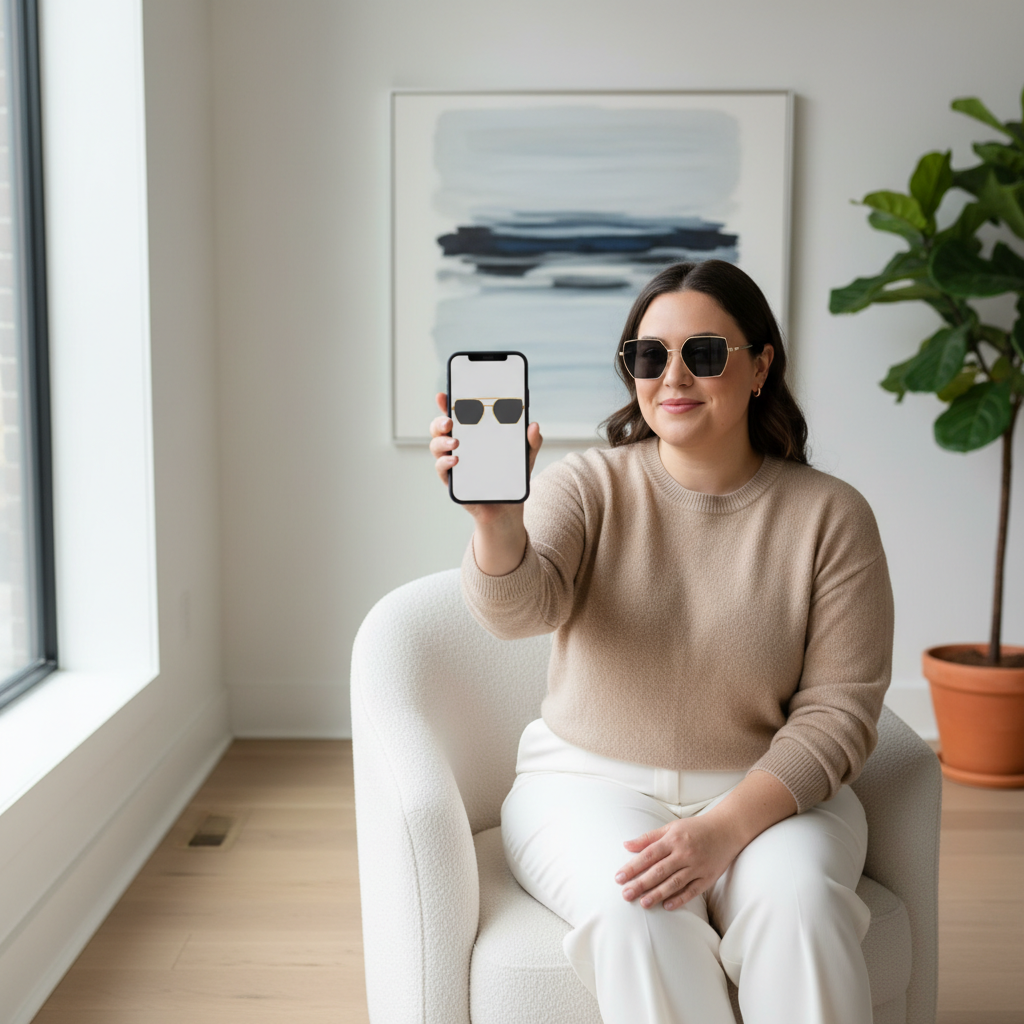
- Do a photo test: front camera at eye level, then slightly above eye level, harsh truth beats mirror optimism.
- Confirm lens spec: UV protection label, then decide on polarization based on driving and water time.
Key takeaways (so you can stop overthinking it)
- Choose contrast: angular lines or an upswept top line usually flatter a round face.
- Fit is the make-or-break: slightly wider than cheekbones, comfortable bridge, no temple squeeze.
- Lens quality matters: prioritize UV protection, add polarization when glare is a daily issue.
- Use photos to decide: mirrors lie a little, cameras lie differently, you want a pair that works in both.
When it’s worth getting professional help
If you need prescription sun lenses, have strong sensitivity to light, or get headaches when wearing sunglasses, it can be smart to ask an optician or eye care professional to help confirm fit, lens choice, and coverage. That is especially true if you drive a lot or spend long hours outdoors.
Also, if frames constantly slide or pinch, adjustments often fix it in minutes, and that can turn an “almost” pair into your daily favorite.
Conclusion
The best sunglasses for round face styling usually come down to a simple trade: keep the comfort, add a little structure. Pick one angular frame and one upswept option, run the width and bridge checks, then let a quick photo test make the final call.
If you want a fast next step, save two shapes to try this week, rectangular and a subtle cat-eye, then choose the one you forget you are wearing.