
The best lipstick for dry lips matte is the one that stays put without clinging to texture, cracking at the corners, or leaving your lips feeling tight two hours later.
If you have dry lips, “matte” can feel like a bad word, because a lot of classic matte formulas are designed to grip hard and set fast. That grip is exactly what highlights flakes, lines, and those rough patches that show up the moment you put on a bold color.
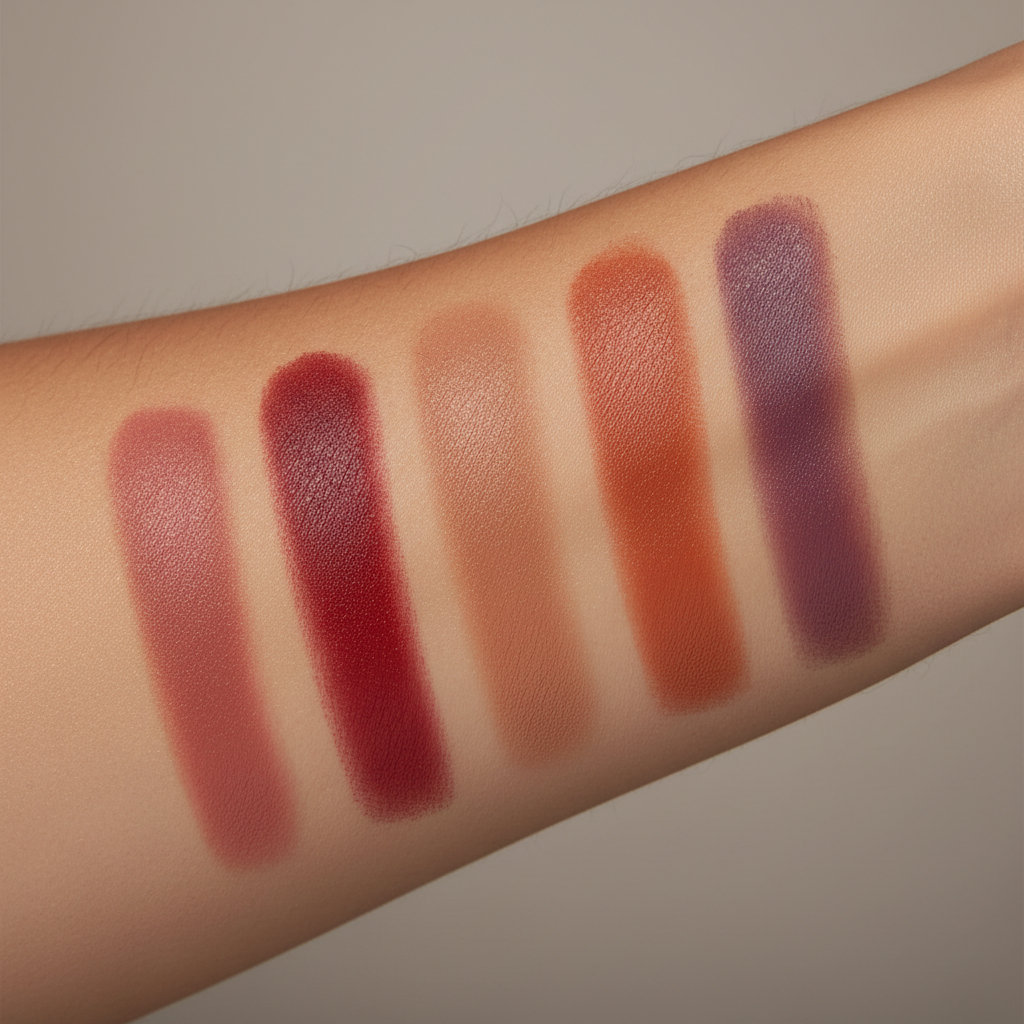
This guide keeps it practical: what ingredients and textures usually work better, how to tell when a matte will be uncomfortable on you, and a prep routine that actually changes how matte wears. I’ll also share a short comparison table so you can decide faster without buying five tubes to find one that behaves.
One quick reality check, dry lips vary. Sometimes it’s weather and habits, sometimes it’s sensitivity or a skin condition. If your lips crack often or sting with many products, it may be worth asking a dermatologist for guidance.
What “matte” means now (and why it matters for dry lips)
Matte used to mean “flat, no shine, longwear, and kind of unforgiving.” Now you’ll see terms like soft-matte, powder matte, or velvet matte. Those usually signal a more flexible film and more slip, which tends to be friendlier when your lips run dry.
In plain English, you want a matte that sets enough to resist smearing, but not so much that it locks down and pulls moisture from your lips. According to the American Academy of Dermatology Association, frequent lip licking and harsh products can worsen dryness, which is why the “extra longwear” category can be a problem if you’re already dehydrated.
So if you love the matte look, your target is often a modern “blurring” matte, not the most bulletproof liquid you can find.
Why matte lipstick looks worse on dry lips (common real-life reasons)
Most people blame the lipstick, but the wear issues usually come from a few predictable situations.
- Dehydrated surface + pigment: matte pigments sit on top, so any flakes become contrast points.
- Too much slip, then too much set: some formulas feel creamy at first, then dry down past comfortable.
- Over-exfoliating: scrubs can create micro-roughness, then matte grabs that texture.
- Layering conflicts: heavy balm under matte can cause pilling, sliding, or patchiness.
- Environmental triggers: indoor heat, cold wind, or certain acne meds can make lips chronically dry.
If you’re looking for the best lipstick for dry lips matte, you’re really looking for the best system: formula choice plus prep plus application method.
Quick self-check: which “dry lip” situation are you in?
This takes 30 seconds and helps you stop guessing.
- Mostly fine, but matte emphasizes lines: you likely need a softer matte texture and better prep.
- Flaking visible even with balm: you may be dealing with irritation, over-exfoliation, or barrier issues.
- Corners crack and sting: look for fragrance-free options, consider a dermatologist if persistent.
- Matte wears off in the center fast: often too much balm underneath or not blotting before color.
- Everything feels drying after 1–2 hours: avoid strong alcohol-heavy longwear liquids, try cushioned mattes.
If you fall into the “sting + chronic cracking” bucket, chasing a matte formula alone rarely solves it. Comfort comes from reducing triggers first.
What to look for in a matte lipstick for dry lips (without getting lost in marketing)
Packaging claims can be vague, so focus on how the product behaves and what it’s built with.
Texture cues that often work better
- Soft-matte / velvet / blurring: usually more flexible, less crusty as it wears.
- Powder matte bullets: can look matte but feel lighter than many liquids.
- Cream-matte hybrids: slightly more sheen up close, but typically more comfortable.
Ingredient cues (general, not absolute)
- Emollients like certain esters and oils can improve glide and reduce tugging.
- Wax balance matters, too waxy can drag, too little can slide and look patchy.
- Film formers help longevity, but very strong ones can feel tight on dry lips.
- Fragrance and flavor may irritate some people, especially if you already feel stinging.
According to the U.S. Food and Drug Administration (FDA), cosmetics should be used as directed and discontinued if irritation occurs. That sounds obvious, but with lip products people often “push through” discomfort because they like the shade, and that usually backfires.
Comparison table: common matte types and how they wear on dry lips
This isn’t about brands, it’s about choosing a format that matches your tolerance and your day-to-day habits.
| Matte type | How it feels | Dry-lip friendliness | Best for |
|---|---|---|---|
| Classic longwear liquid matte | Sets hard, very transfer-resistant | Low to medium (often tight) | Photos, events, minimal reapply |
| Soft-matte liquid | Sets but stays flexible | Medium to high | Everyday wear with a blurred look |
| Powder matte bullet | Light, velvety, less “lockdown” | High for many people | Quick application, touch-ups |
| Cream-matte bullet | Comfortable, slightly more slip | Medium to high | Office days, dry climates |
| Matte lip crayon | Control + softer finish | Medium | Precision, layered looks |
If your lips are very dry, many cases go better with a powder matte bullet or a soft-matte liquid than with a classic longwear liquid. It’s not that the longwear option is “bad,” it’s that it asks more from your lip barrier.
How to make matte lipstick comfortable: a routine that actually works
The goal is a smooth base without turning your lips into a slippery surface that rejects pigment.
Step 1: Reset texture gently (skip harsh scrubs)
- After a shower or face wash, press a soft damp washcloth to lips for 10–15 seconds.
- Gently wipe once or twice, stop as soon as flakes lift.
- If you’re prone to irritation, avoid gritty sugar scrubs, they can be too much.
Step 2: Hydrate, then wait
- Apply a simple, fragrance-free lip balm.
- Give it 5–10 minutes while you do brows or complexion.
- Before lipstick, blot once with tissue so the surface is cushioned, not glossy.
Step 3: Apply in thin layers (this is the make-or-break)
- Start with a light layer, press lips together.
- Use a second thin layer only where needed, usually the center.
- For liquids, let it set with lips slightly parted for 20–30 seconds.
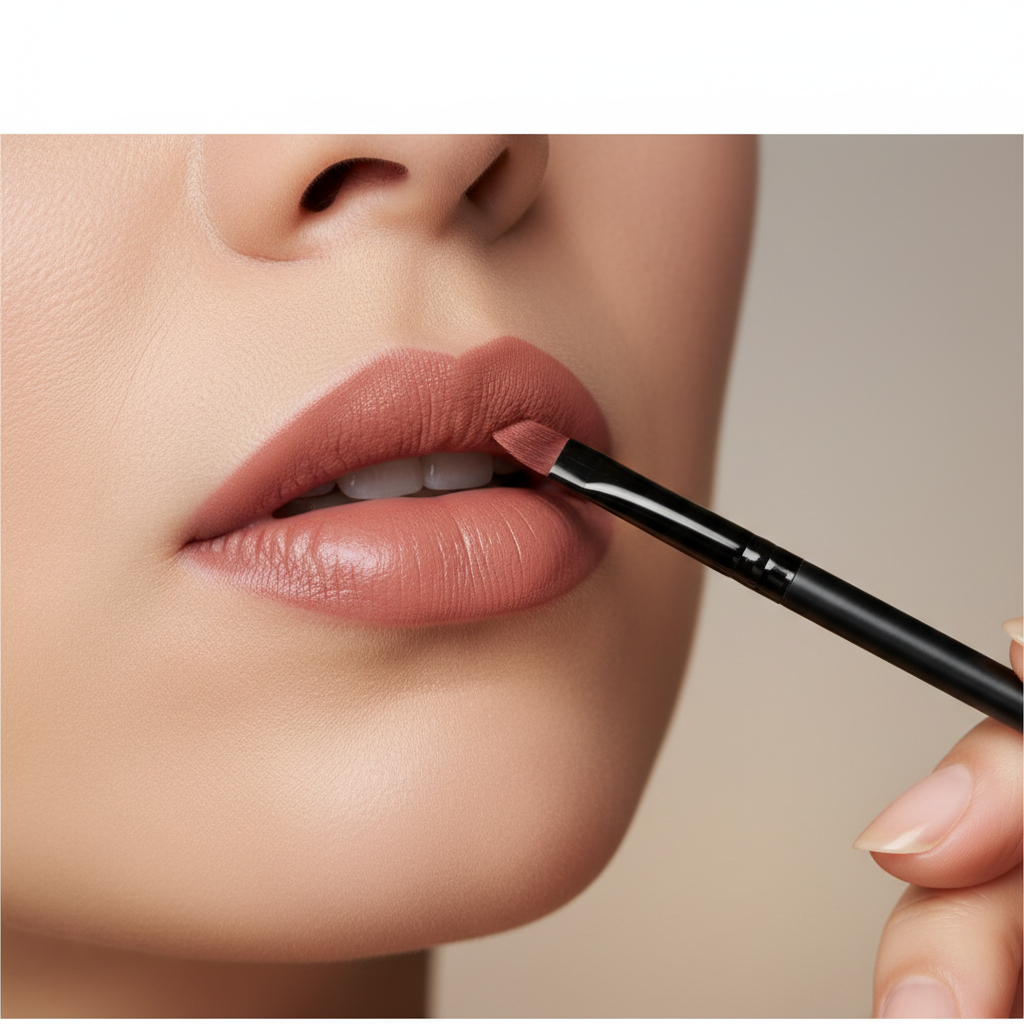
Step 4: Lock edges, not the whole lip
- Lightly set the lip line with a matching liner, it prevents feathering.
- If you need extra longevity, tap a tiny amount of translucent powder on the perimeter only.
This approach keeps that matte look while avoiding the “chalky ring” that can happen when you powder everything.
Mistakes that make matte look drier (even with a good formula)
- Putting matte over fresh balm: it can break up, then you blame the lipstick.
- Over-lining onto dry skin: matte clings to that edge and looks messy fast.
- Constant re-layering: adding more product on top of worn-down matte builds texture.
- Using tingling plumpers as “prep”: if you’re sensitive, that tingle may mean irritation.
- Ignoring removal: sleeping in longwear matte can worsen dryness the next day.
If you want the best lipstick for dry lips matte, removal matters as much as application. Use an oil-based remover or cleansing balm and a gentle rinse, then go back to a plain occlusive lip product overnight.
When to get extra help (and what to ask)
If dryness is persistent, painful, or paired with swelling, scaling beyond the lip line, or frequent cracking at the corners, it may be more than “winter lips.” In those cases, it’s reasonable to pause fragranced products and ask a dermatologist or pharmacist what’s appropriate for you.
According to the American Academy of Dermatology Association, cheilitis and contact reactions can show up as chronic dryness and irritation. That’s also why patch-testing new lip products can be a smart habit if you’ve had issues before.
Key takeaways to choose and wear matte with less drama
- Pick the right matte family: soft-matte and powder matte often behave better on dry lips.
- Prep lightly: cushion, wait, blot, then apply thin layers.
- Stop over-exfoliating: gentle cloth prep usually beats gritty scrubs.
- Notice stinging: discomfort can be a sign to switch formulas or simplify ingredients.
Matte doesn’t have to mean uncomfortable. If you start with a flexible matte formula and treat lip prep like part of your makeup, you’ll usually get a smoother look with fewer touch-ups and less tightness. Your next step: pick one soft-matte or powder matte option, test it for a full day, then adjust your prep before you decide it “doesn’t work.”