
best sneakers for women 2026 is really a question about matching your feet, your day, and your tolerance for “break-in” drama, because the same shoe can feel perfect on one person and miserable on another.
If you’ve ever bought a highly rated pair and still ended up with heel slip, arch fatigue, or that weird toe pinch by week two, you’re not alone, most sneaker disappointment comes from fit geometry and use-case mismatch, not “bad shoes.”
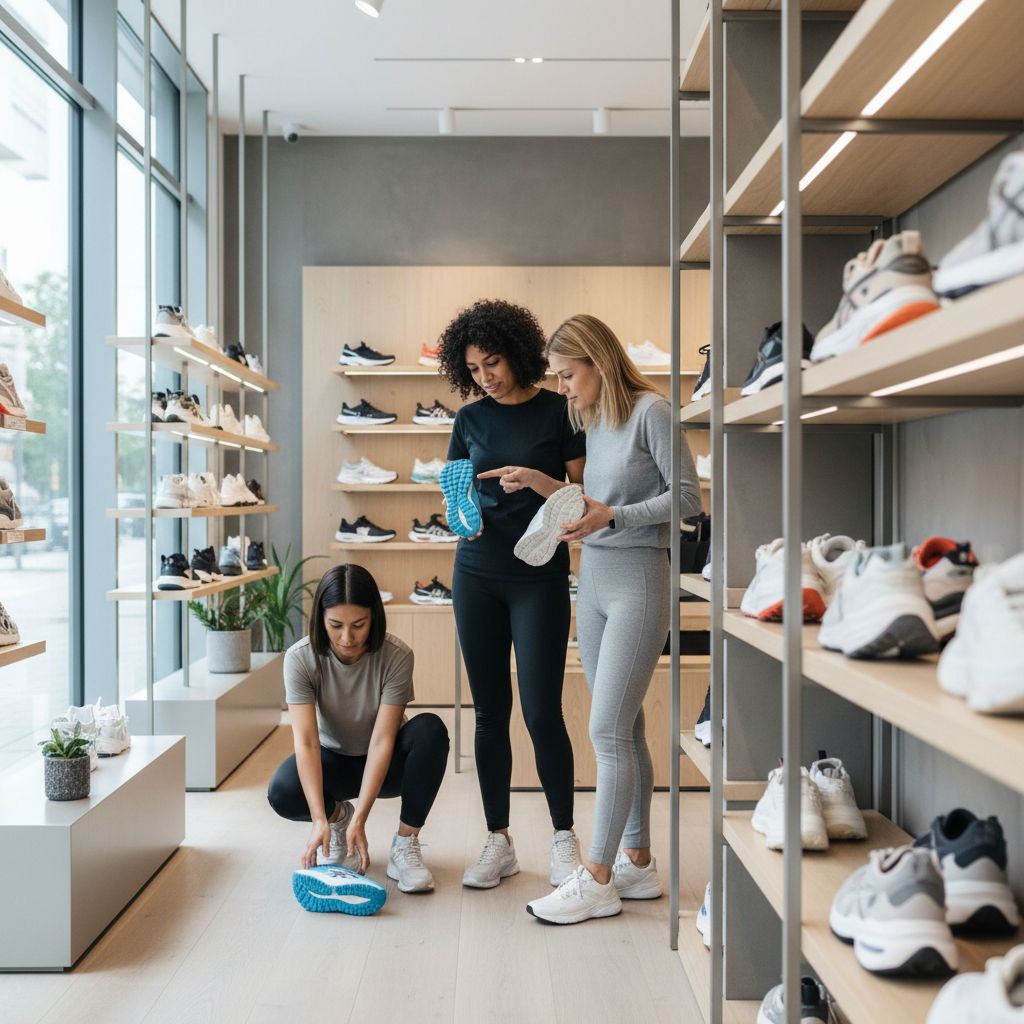
This guide focuses on what tends to matter in 2026 buying decisions, comfort tech, stability features, and real-world durability, plus a quick way to narrow options without overthinking it.
What “best” means in 2026 (it’s less about hype, more about alignment)
In practice, the “best” sneaker usually nails three things: how your foot sits in the shoe, how the midsole handles your typical mileage, and how the upper behaves after a few weeks.
Trends come and go, but a few consistent priorities keep showing up in store try-ons and returns:
- Comfort over 6–10 hours, not just a 30-second mirror test
- Stable platform if you stand a lot, carry a bag, or walk on uneven sidewalks
- Upper that works with your foot volume, narrow feet hate balloon uppers, high insteps hate tight throat openings
- Outsole grip for wet tile, crosswalk paint, and polished floors
According to APMA (American Podiatric Medical Association), footwear that supports foot health often emphasizes adequate support, cushioning, and a comfortable fit, which is boring advice, but it holds up when you’re on your feet.
Quick comparison table: which sneaker type fits which life
If you want a fast filter, start here. This isn’t “brand ranking,” it’s a practical map to the categories that most often satisfy the need.
| Primary use | What to look for | Common deal-breaker | Best for |
|---|---|---|---|
| All-day walking / travel | Rocker-ish ride, moderate stack, roomy toe box | Too-soft foam that wobbles | City trips, theme parks, commutes |
| Work (retail, healthcare, teaching) | Stable heel, supportive insole, grippy outsole | Slick outsole on tile | Standing 6–12 hours |
| Gym / cross-training | Wide stable base, lateral support, firmer foam | Running-shoe squish | Strength, classes, mixed workouts |
| Running (easy miles) | Cushion + smooth transitions, breathable upper | Wrong width, heel slip | Beginner to intermediate runners |
| Casual lifestyle | Comfortable collar, flexible forefoot, durable upper | Looks great, hurts fast | Everyday errands, style-first days |
Why sneakers that “should work” still feel wrong
Most people don’t need an advanced gait analysis to avoid bad buys, they need a better read on a few common mismatch patterns.
1) Width and foot volume get ignored
A “true to size” label doesn’t mean it fits your forefoot width or instep height. Many women with average length still need wide or narrow widths, especially in performance models.
2) Cushioning without stability can backfire
Max-cushion shoes can feel dreamy for five minutes, then your ankles and arches start working overtime if the platform is narrow or the foam is very soft.
3) Your daily surfaces matter more than you think
Polished office floors, wet sidewalks, rubber gym flooring, they’re all different friction problems. Outsole rubber and tread depth change how safe a shoe feels, especially when you’re moving fast.
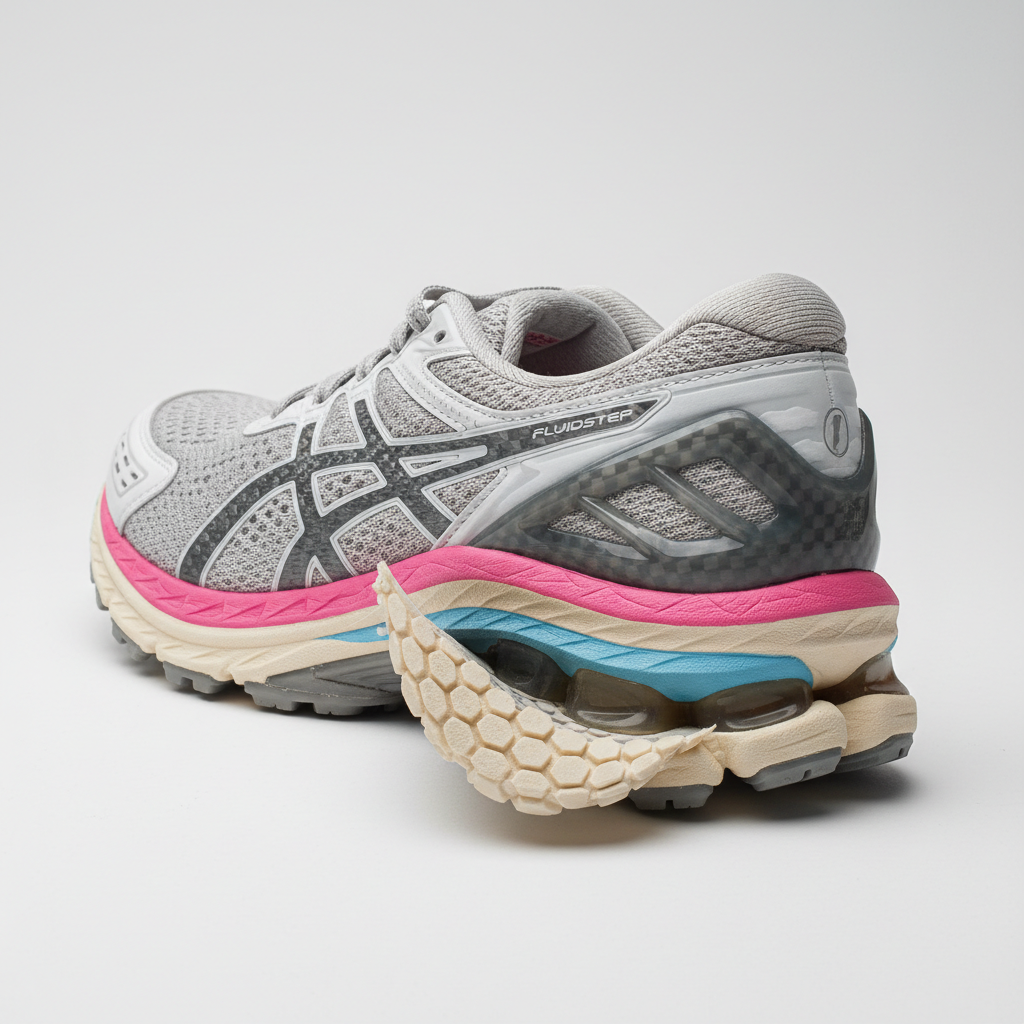
4) The break-in myth wastes time
Yes, some uppers relax slightly, but arch pain, numb toes, or heel blistering usually means the shape is wrong. In 2026, with so many comfort-forward options, “suffering first” is rarely necessary.
Self-check: figure out your category in 2 minutes
Before you hunt for the best sneakers for women 2026, answer these quickly, it saves money and return trips.
- Where will you wear them most? sidewalks, tile floors, treadmill, weight room, mixed
- How long per day? under 2 hours, 2–6 hours, 6+ hours
- Your usual foot complaint? heel slip, arch fatigue, forefoot squeeze, knee discomfort, hot spots
- Foot shape cues: narrow heel + wider forefoot, high instep, bunion area sensitivity
- Do you use orthotics? if yes, you need a removable insole and enough depth
Quick rule that often holds: if you stand all day, choose stability first, then cushioning. If you walk long distances, choose cushioning with a stable base, not just softness.
Practical picks by scenario (how to shop, not what to worship)
I’m not going to pretend one list fits every foot, but these shopping “targets” are the ones that most often deliver for specific needs. Use them to build a shortlist, then try on.
All-day walking and travel
- Look for: rocker geometry, forgiving upper, toe room, midsole that doesn’t collapse side-to-side
- Try-on test: walk fast and corner hard in-store, if you feel wobble, size or model change
- Common win: neutral daily trainers with moderate-to-high cushioning and a broad outsole
Work shifts (standing, lots of hard floors)
- Look for: stable heel counter, supportive insole, slip-resistant outsole if your workplace requires it
- Try-on test: heel should feel “locked,” no lifting when you step up on toes
- Common win: walking shoes or work-oriented trainers with firmer foam and durable rubber
Gym and cross-training
- Look for: lateral containment, flatter platform, firmer midsole than a running shoe
- Try-on test: side shuffle a few steps, your foot shouldn’t spill over the midsole edge
- Common win: dedicated trainers designed for multidirectional movement
Casual lifestyle that still feels good
- Look for: flexible forefoot, cushioned collar, breathable lining, simple durable upper materials
- Try-on test: check toe box height too, not just width, toes need vertical room
- Common win: retro-inspired court styles with upgraded insoles, or comfort-first lifestyle runners
How to try on sneakers like you mean it (and avoid regret)
This part is unglamorous, but it’s what separates a good purchase from a dust-collecting box in your closet.
- Try them on later in the day, feet often swell a bit, especially if you walk a lot
- Wear the socks you’ll actually use, thick socks can change fit more than you expect
- Thumb-width rule at the toe, you want some space, but not a boat
- Heel-lock lacing if you get heel slip, many “wrong size” problems are lacing problems
- Bend check, the shoe should flex near the ball of your foot, not in the middle
According to the American Academy of Orthopaedic Surgeons (AAOS), shoes that fit well and support your foot can help reduce discomfort during activity, if pain persists or worsens, it’s smart to consult a clinician.
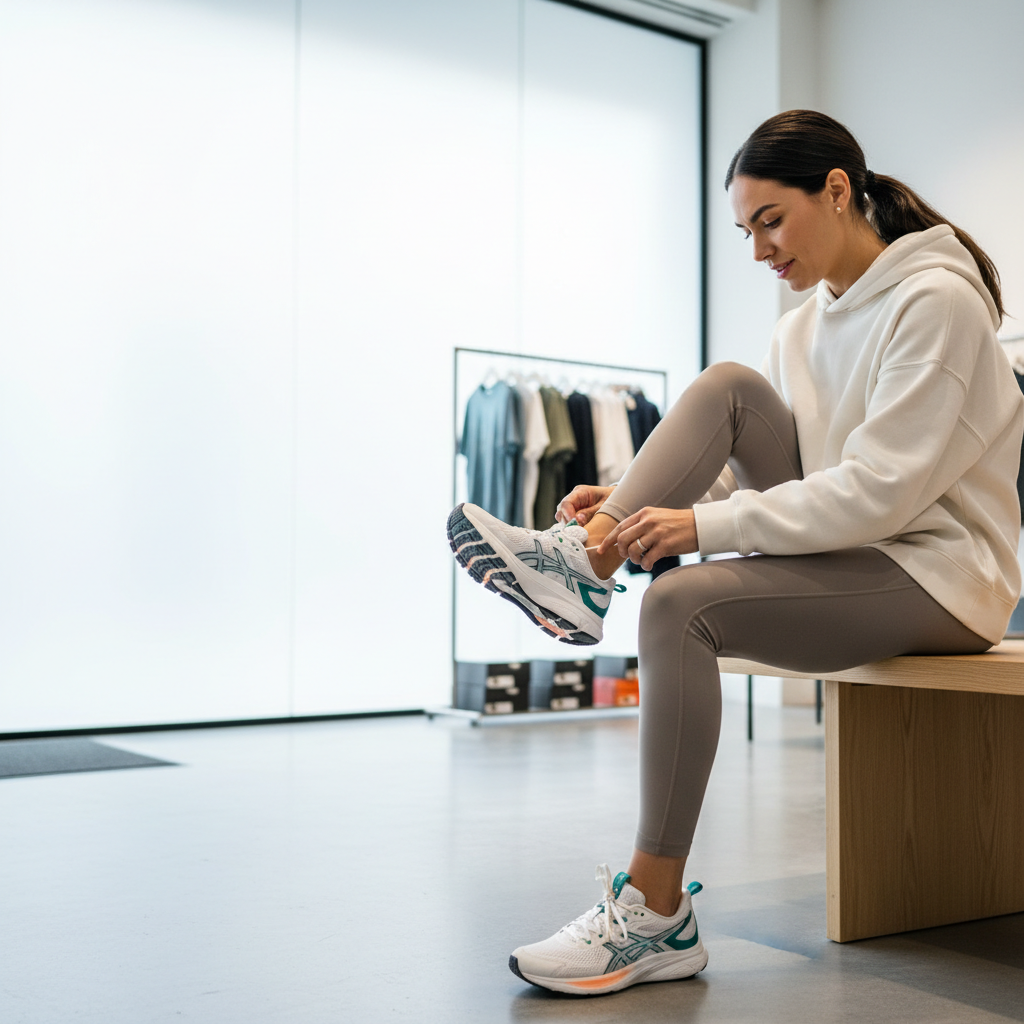
Mistakes people repeat when chasing the best sneakers for women 2026
- Buying for aesthetics first, then trying to “fix” comfort with inserts, sometimes it works, often it doesn’t
- Assuming pricey equals supportive, premium materials can still sit on a bad last shape for your foot
- Ignoring heel stability, if the heel counter collapses easily, long days tend to feel worse
- Overcorrecting with heavy stability when you just needed a wider fit, too much structure can feel restrictive
- Keeping a pair that causes numbness, numb toes usually mean pressure or sizing issues, not “normal break-in”
When to get expert help (worth it, not overkill)
If you’re dealing with recurring pain, it’s reasonable to treat footwear as one part of the puzzle, not the whole solution. A specialty running store fitting can help with sizing, width, and lacing, and a podiatrist or physical therapist may help if symptoms persist.
- Persistent heel pain, sharp forefoot pain, or numbness that doesn’t improve with a different size
- History of stress fractures, tendon issues, or significant ankle instability
- Diabetes or circulation concerns, shoe pressure points may need professional input
According to the American Podiatric Medical Association (APMA), foot pain that continues or interferes with daily life is a good reason to seek professional advice, especially if you’ve already tried changing footwear.
Conclusion: your “best” pair should disappear on your foot
The best sneakers for women 2026 usually aren’t the loudest release, they’re the pair that feels stable at hour six, fits your foot shape without negotiation, and matches what you actually do most days.
If you take only two actions, make them these: build a shortlist based on your main use-case, then try on with a fast walking test and honest toe-room check. Your feet tend to tell the truth quickly.
If you’re torn between two pairs, pick the one that feels boringly comfortable right away, most of the time, that’s the one you’ll keep reaching for.