
How to get rid of frizzy hair naturally usually comes down to two things you can control: moisture balance and friction control. Frizz is often hair asking for water, asking for less damage, or reacting to humidity because the cuticle layer sits rough and lifted.
If you feel like your hair behaves one way at home and a totally different way the moment you step outside, you are not imagining it. Humidity, heat styling, hard water, rough towel drying, and even “clean” shampoos that strip too much can all show up as frizz, even when your hair looks healthy at a glance.
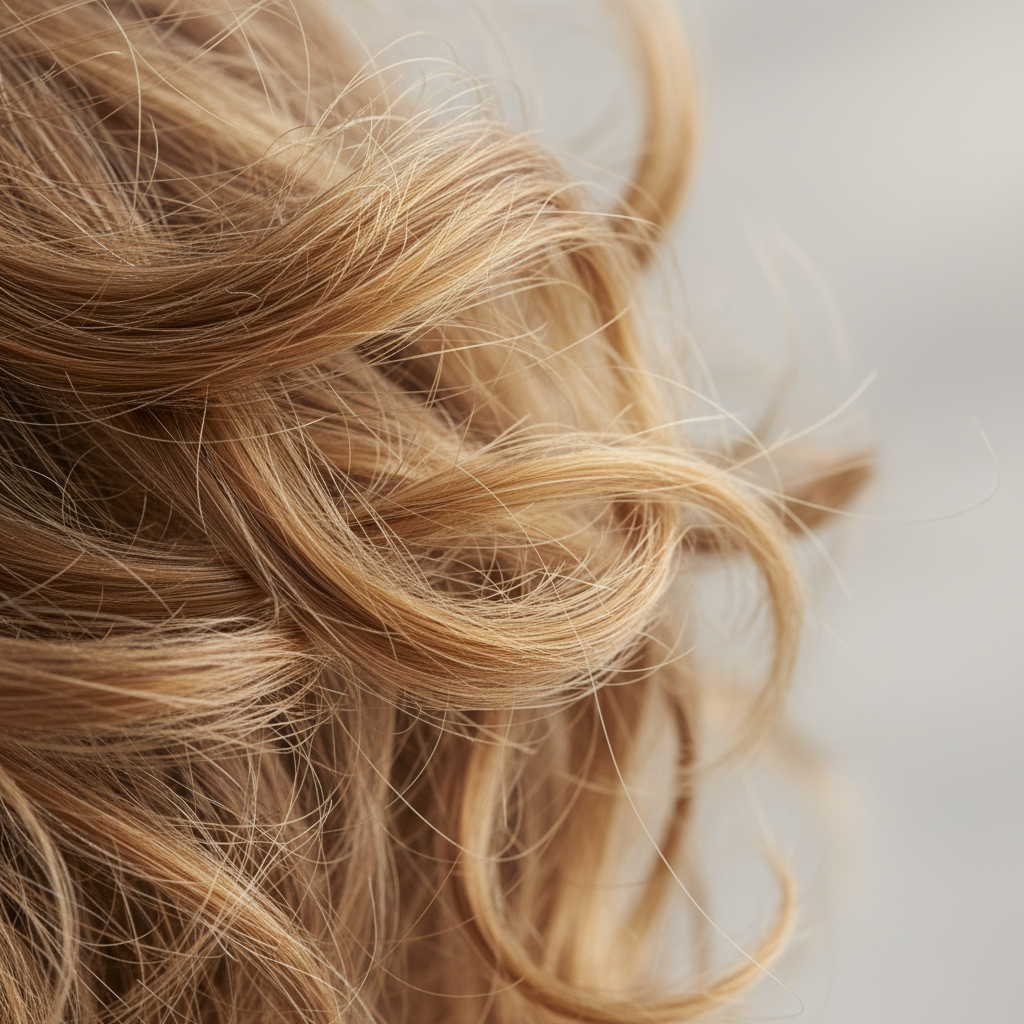
This guide stays practical, not preachy. You will get a quick way to identify your frizz type, a routine that works for many hair textures, and a few natural add-ons that make sense when your baseline habits already support smoother hair.
Why hair gets frizzy in real life (not just “dryness”)
People say frizz equals dry hair, but reality tends to be messier. Many cases involve dryness, but others involve too much swelling from humidity, buildup that blocks moisture, or damage that makes hair grab water unevenly.
- Humidity swelling: porous hair absorbs water fast, expands, then looks puffy and undefined, especially with waves and curls.
- Over-cleansing or harsh surfactants: hair feels squeaky, tangles easily, then frizzes the moment it air-dries.
- Heat and chemical damage: the cuticle chips or cracks, so strands never lie flat, even with conditioner.
- Friction: rough towels, cotton pillowcases, and aggressive brushing raise the cuticle and break fragile hairs.
- Hard water and product buildup: minerals and residue can make hair feel coated, dull, and frizzy at the same time.
According to the American Academy of Dermatology Association, hair shaft damage from heat styling and harsh hair care practices can contribute to breakage and rough texture, which many people experience as frizz. You do not need to be “doing everything wrong” for this to happen, it can be one small habit repeated daily.
Quick self-check: what kind of frizz are you dealing with?
Before you buy anything, figure out which bucket you are in. This is the difference between “my hair needs more moisture” and “my hair needs less swelling and more sealing.”
- Frizz right after washing, hair feels rough: often cleansing is too strong, or you are skipping leave-in protection.
- Frizz only in humidity: porosity tends to be higher, you likely need better sealing and hold.
- Frizz plus greasy roots: buildup can coexist with dry ends, think clarifying (gently) and targeted conditioning.
- Frizz plus lots of short flyaways: breakage is likely, friction and heat habits matter more than “more oil.”
- Frizz with dull, stiff feel: hard water or protein overload sometimes plays a role.
If you are unsure, treat it like a mini experiment: adjust one variable for a week, then reassess. Swapping five things at once makes it impossible to know what helped.
The natural frizz-fighting routine that covers most people
If you want the simplest answer to how to get rid of frizzy hair naturally, start with a routine that reduces stripping, adds water, then seals and protects. “Natural” can still be effective, but it works best when the mechanics are right.
1) Cleanse without over-stripping
- Shampoo the scalp, let the lather rinse through the lengths rather than scrubbing ends.
- Use warm water, not very hot, heat can worsen dryness for many people.
- If your hair feels coated or your curls will not clump, consider a gentle clarifying wash every 2–4 weeks, frequency depends on styling products and water quality.
2) Condition with “slip,” then detangle gently
- Condition mid-length to ends, then detangle with fingers or a wide-tooth comb while conditioner is in.
- Rinse lightly if your hair gets weighed down, leaving a touch behind can help if you are very dry.
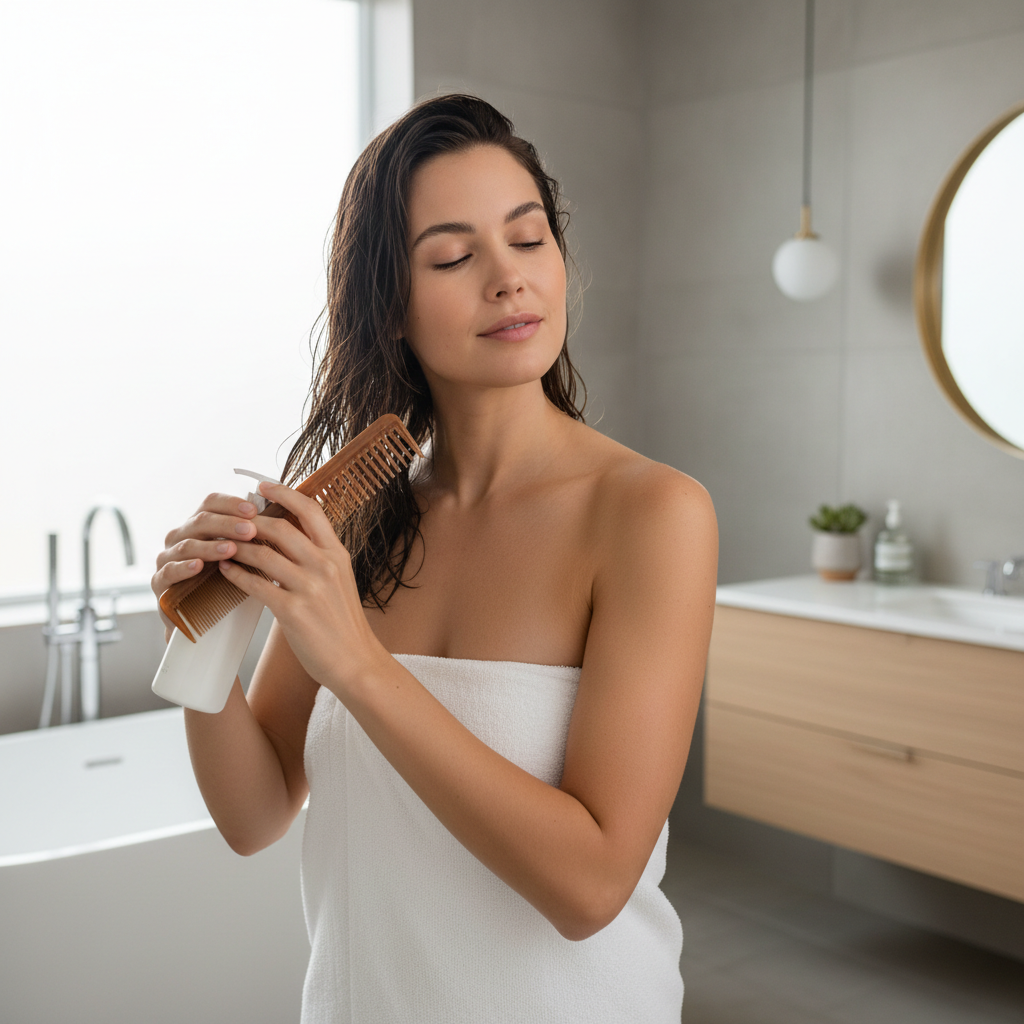
3) Dry with less friction
- Skip aggressive towel rubbing, it creates frizz fast.
- Use a microfiber towel or a soft cotton T-shirt, squeeze and blot instead.
- If you blow-dry, use a heat protectant and aim the airflow downward with a nozzle.
4) Lock in moisture with a leave-in + seal
- On damp hair, apply a leave-in conditioner first, then a small amount of oil or cream to seal.
- Focus on ends and the outer layer that gets the most friction.
- For wavy or curly hair, add a light gel to improve clumping and humidity resistance.
Natural ingredients: what tends to help (and when it backfires)
Natural options can support your routine, but they are not one-size-fits-all. A heavy oil that makes coarse curls look glossy can make fine straight hair look limp and still frizzy around the crown.
| Natural option | What it can do | Best for | Watch out for |
|---|---|---|---|
| Argan oil | Light sealing, shine, reduces rough feel | Most hair types, especially dry ends | Too much can weigh down fine hair |
| Coconut oil | Can reduce some protein loss, strong sealing | Thick, coarse, very dry hair | May feel stiff or “waxy” on some hair types |
| Jojoba oil | Scalp-friendly feel, light seal | Fine to medium hair, oily scalp + dry ends | Still use sparingly near roots |
| Aloe vera gel | Light hydration, slip, helps define curls | Wavy/curly hair that puffs easily | Some formulas pill under other products |
| Honey (diluted) | Humectant, attracts water | Dry climate, hair that feels crispy | In high humidity, may increase puffiness |
One nuance people miss: humectants like honey and glycerin can help in dry air but may make frizz worse in very humid conditions, because hair keeps pulling in water and swelling. If you live somewhere muggy, you might do better with sealing and a bit more hold.
Technique matters: small changes that reduce frizz fast
You can buy a great product and still get frizz if technique stays rough. These are the low-effort changes that often show results within a few washes.
- Apply styling products on damp hair: not dripping, not almost dry, damp helps distribute evenly and clump strands.
- “Hands praying” application: smooth product down the hair like you are pressing palms together around the section, it encourages the cuticle to lie flatter.
- Do not brush dry curls: it separates clumps and increases halo frizz, detangle when wet with conditioner.
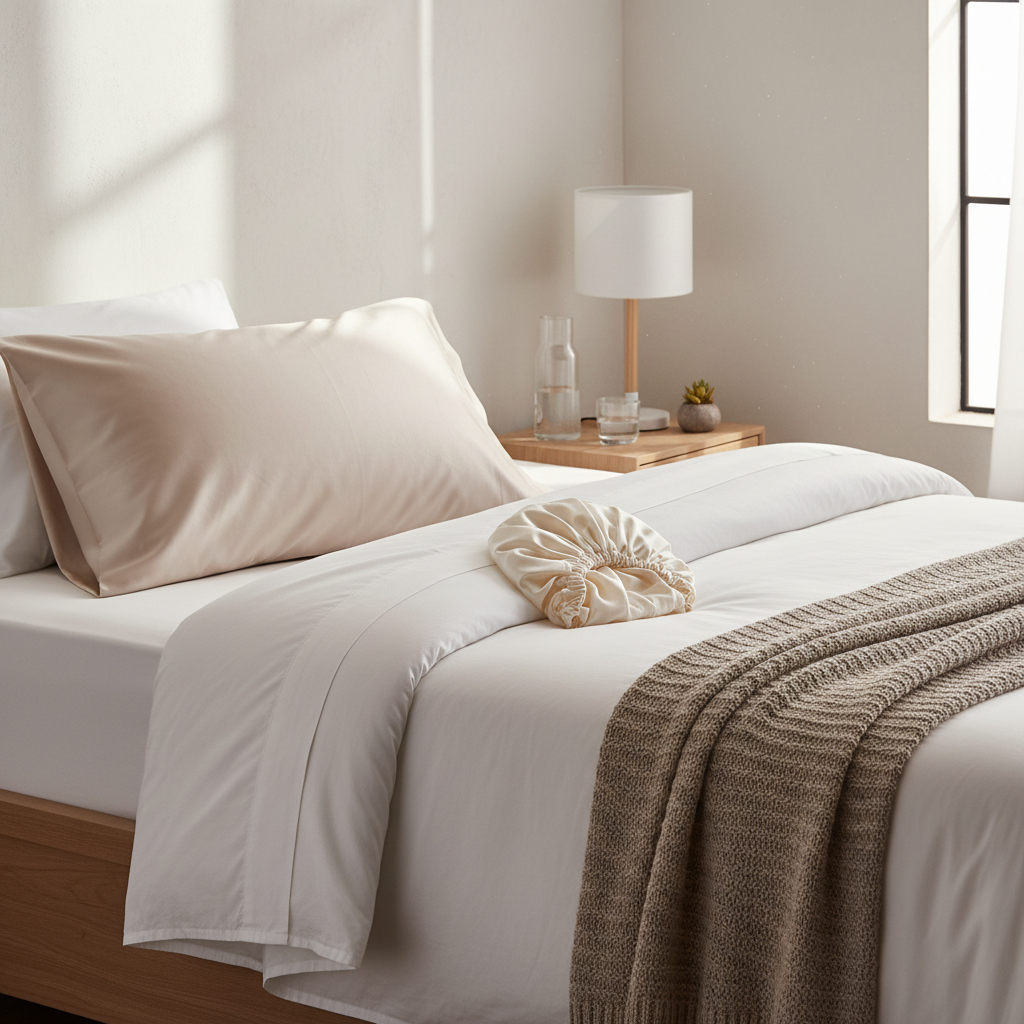
- Sleep protection: a satin pillowcase or a loose silk scarf often reduces morning frizz from friction.
- Trim strategy: split ends do not “heal,” they keep fraying and catching, regular micro-trims can reduce fuzzy ends.
Simple “do this tonight” plan (no complicated product haul)
If your goal is how to get rid of frizzy hair naturally without turning your bathroom into a lab, try this for one week and keep everything else the same.
- Wash day: gentle shampoo on scalp, conditioner on lengths, detangle with conditioner in.
- After shower: blot with microfiber towel or T-shirt, no rubbing.
- Styling: leave-in conditioner on damp hair, then 2–4 drops of argan or jojoba oil on ends, add light gel if humidity is your enemy.
- Drying: air-dry without touching too much, or diffuse on low heat and low airflow.
- Sleep: satin pillowcase, hair loosely gathered if it tangles easily.
Key point: stop touching your hair while it dries. Many people do everything right until this step, then keep fluffing, and the frizz shows up “mysteriously.”
Common mistakes that keep frizz coming back
Some mistakes look harmless, especially because they feel “clean” or “natural,” but they quietly rough up the cuticle.
- Overusing DIY masks: lemon juice, baking soda, and undiluted vinegar can irritate the scalp or dry the hair for some people, patch test and keep it gentle.
- Skipping hold products entirely: if humidity causes puffiness, a bit of gel or mousse can be the difference between defined and frizzy.
- Protein overload: too many strengthening products can make hair feel stiff and brittle, which reads as frizz.
- Using heavy oils as “moisture”: oils mainly seal, they do not add water, so dry hair can stay dry under a shiny coating.
- Heat without protection: even “just a quick pass” adds up, especially at the front and crown.
According to the U.S. Food and Drug Administration (FDA), cosmetic products should be used as directed and consumers should be cautious with DIY mixtures that may irritate skin or eyes. If your scalp reacts, pause and reassess rather than pushing through.
When it makes sense to ask a pro
Frizz is often cosmetic, but sometimes it is a signal that something else needs attention. Consider talking with a dermatologist or a licensed stylist if any of these show up.
- Sudden texture change plus shedding, scalp pain, or persistent itching
- Breakage that keeps worsening even after reducing heat and friction
- Suspected hard-water issues and you are not sure how to clarify safely
- Hair color or chemical services that leave hair stretchy, gummy, or snapping
A good stylist can also spot whether you need a different cut shape or weight distribution, because sometimes “frizz” is partly how a haircut grows out on your texture.
Conclusion: smoother hair comes from boring consistency
If you are still chasing how to get rid of frizzy hair naturally, focus less on miracle ingredients and more on the repeatable basics: gentle cleansing, low-friction drying, damp-hair styling, and a seal plus some hold when humidity hits. Give one routine a full week, then adjust one lever at a time, your hair will tell you what it likes.
Action step: pick one change today, either switch to blot-drying or add a leave-in on damp hair, and commit to it for the next three washes so you can see a real pattern.
Key takeaways
- Frizz is often a moisture + friction problem, not just “bad hair.”
- Damp-hair product application usually works better than styling on nearly dry hair.
- Humidity frizz needs sealing and hold, not only more conditioner.
- DIY can irritate, keep ingredients gentle and discontinue if your scalp reacts.
FAQ
- How can I reduce frizz naturally without changing my shampoo?
Start with technique: blot dry instead of rubbing, apply leave-in on damp hair, then seal ends with a small amount of lightweight oil. Those changes often move the needle even if shampoo stays the same. - Does air-drying cause frizz?
It can. Air-drying with lots of touching or without any leave-in may create more puffiness, especially in humidity. Air-drying with product applied on damp hair and minimal handling tends to look smoother. - What is the best natural oil for frizzy hair?
Many people do well with argan or jojoba because they feel lighter, but hair thickness and porosity matter. If your hair gets limp easily, use fewer drops and keep it off the roots. - Why is my hair frizzy even after conditioning?
Common reasons include buildup blocking moisture, damage that keeps the cuticle rough, or friction from drying and brushing. Try a gentle clarifying wash occasionally and reduce towel rubbing. - Can I use aloe vera for frizz control?
Aloe can help with slip and light hydration for some textures. Test a small amount first, and check how it layers with your other products to avoid pilling. - How do I stop frizz in humid weather naturally?
Focus on sealing and hold: leave-in plus a small amount of oil or cream, then a light gel for definition. Also avoid touching hair while it dries, that step matters more than people expect. - How often should I clarify if I have frizz and buildup?
Many people land around every 2–4 weeks, but it depends on water hardness, oils, and styling products. If hair feels squeaky or dry afterward, clarify less often or choose a gentler clarifier.
If you are trying to simplify your routine, a practical next step is to choose one gentle shampoo, one reliable conditioner, and one leave-in or styling product you actually use consistently, then build from there only if your hair still asks for more.