
How to moisturize body correctly starts with a simple truth: it’s less about finding one “perfect” lotion and more about timing, technique, and matching your product to your skin’s needs.
If your legs look ashy by noon, your arms feel tight after showers, or you’re constantly switching lotions without results, you’re not alone, body skin is thicker than facial skin, but it still loses water fast, especially in dry climates, winter, or with frequent hot showers.
This guide breaks down what actually matters, how to tell what kind of dryness you have, which ingredients tend to work for which situations, and a routine you can keep up even when you’re busy.
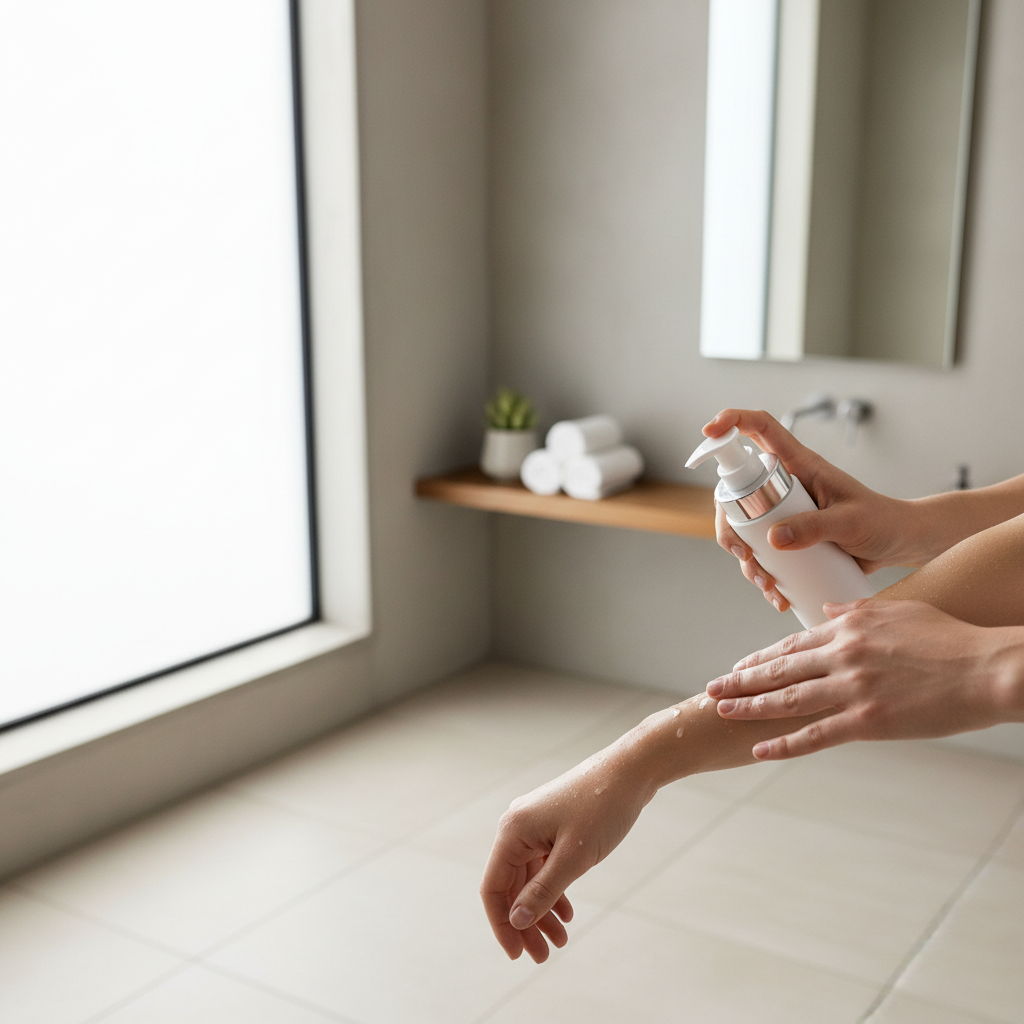
Why body skin gets dry (and why lotion sometimes “does nothing”)
Most “dry skin” complaints are really about water loss through the skin barrier, not a lack of oil alone, so a random lotion might feel nice for 20 minutes, then the tightness comes right back.
Common real-life triggers tend to look like this:
- Hot showers and long baths that strip surface lipids, your skin feels squeaky, then tight.
- Harsh cleansers or fragranced body washes that leave you itchy or flaky.
- Low humidity from winter air or indoor heating that pulls water from skin.
- Over-exfoliating with scrubs, acids, or rough towels, leaving skin reactive.
- Skin conditions such as eczema or psoriasis, which may need medical guidance.
According to the American Academy of Dermatology (AAD)... moisturizers help protect the skin barrier and reduce dryness, but consistency and the right formula matter, especially for very dry or sensitive skin.
Quick self-check: what kind of dryness are you dealing with?
Before you buy anything new, sort yourself into a “most likely” bucket, it makes product choice way easier.
- Dehydrated (water-lacking) skin: feels tight after cleansing, looks dull, improves briefly with lotion but dries again.
- Dry (oil-lacking) skin: rough patches, flaking, especially on shins and elbows, often worsens in winter.
- Sensitive or compromised barrier: stinging with products, redness, itch, dryness plus irritation.
- “Strawberry legs” or bumpy texture: visible follicles, roughness, may respond to gentle keratolytics.
If you have cracking, bleeding, widespread rash, or severe itch that disrupts sleep, it’s reasonable to check in with a dermatologist, since routine dryness and a flare of eczema can feel similar at first.
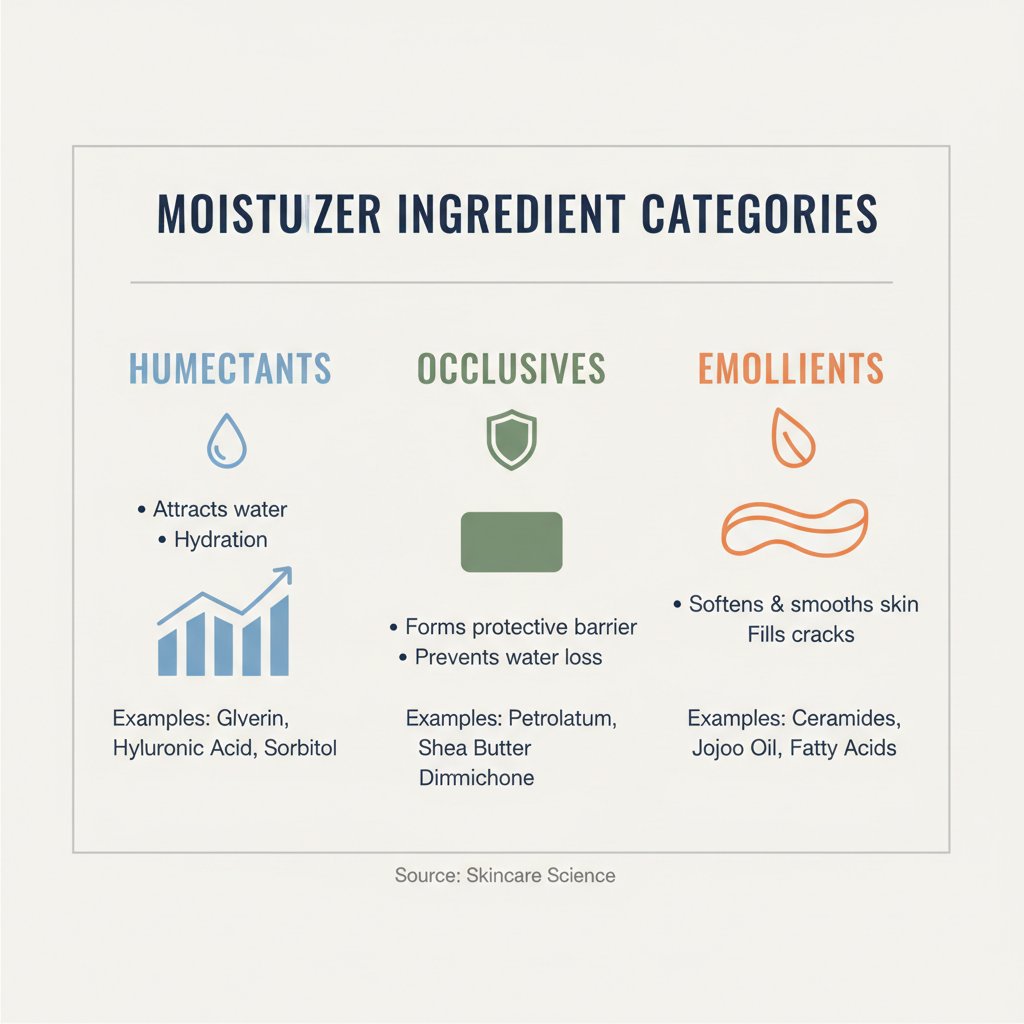
Moisturizer ingredients that actually matter (and what to look for)
If you want to moisturize body correctly, think in three roles, most good body moisturizers combine at least two.
- Humectants pull water into the top layer of skin: glycerin, hyaluronic acid, urea, aloe.
- Emollients smooth rough edges between skin cells: ceramides, fatty acids, squalane, shea butter.
- Occlusives seal water in: petrolatum, dimethicone, mineral oil, waxes.
A fast rule that holds up in many cases: if you look flaky by midday, you likely need more occlusive support; if you feel tight right after bathing, you likely need better timing plus humectants; if you sting easily, keep formulas simpler and fragrance-free.
Table: match your situation to a product texture
| Skin situation | Texture that usually works | Ingredient cues | When to use |
|---|---|---|---|
| Normal-to-slightly dry | Lotion | Glycerin, light emollients | Daily after shower |
| Very dry, flaky shins/elbows | Cream | Ceramides, shea, dimethicone | After shower + before bed |
| Cracked or wind-chapped areas | Ointment | Petrolatum, thicker occlusives | Spot-treat at night |
| Bumpy “KP” texture | Lotion/cream with actives | Lactic acid, urea, salicylic acid | 3–5 nights/week, adjust |
| Sensitive, easily irritated | Fragrance-free cream | Ceramides, minimal additives | Daily, especially post-bath |
The routine: how to moisturize your body correctly step by step
This is the part most people skip, but it’s what changes results in a week, not in a month of random product switching.
1) Nail the timing: “within a few minutes” after bathing
Apply moisturizer while skin is still slightly damp, not dripping wet, not fully dry. You’re trapping water already in the skin, which is why the same lotion suddenly feels more effective.
2) Use the right amount (more than you think, less than you fear)
For full-body coverage, many adults land around a palmful to a few palmfuls total, depending on body size and product thickness. If you feel greasy 30 minutes later, either you used too much for that formula or you need a lighter texture for daytime.
3) Apply with a “press and glide” technique
Rubbing aggressively can irritate dry skin. Press product into shins, elbows, and any patchy areas, then glide over larger zones like thighs and arms.
4) Layer strategically (optional, but useful)
- Very dry skin: lotion or cream all over, then ointment on “problem spots” at night.
- Dehydrated feel: use a humectant-heavy lotion on damp skin, then a cream on top if needed.
- Hands and feet: thicker product, then socks or cotton gloves for 30–60 minutes.
According to the National Eczema Association... many people with eczema-prone skin do better with thicker, fragrance-free moisturizers, and applying soon after bathing is a common recommendation.

Body areas that need different treatment (yes, even if you hate “complicated”)
Most people spread one lotion everywhere and hope for the best, but a couple of small tweaks usually pay off.
- Shins: often need a cream, not a lotion, this area lacks oil glands and dries fast.
- Elbows and knees: consider a thicker texture or a spot layer of ointment at night.
- Chest and back: if you break out easily, choose non-greasy, fragrance-free lotions and avoid heavy oils.
- Neck: treat more like face skin, keep fragrance low, patch test new actives.
- Underarms and groin: keep it gentle, skip acids unless a clinician suggests them.
Exfoliation and body moisturizing: how to combine without wrecking your barrier
Exfoliation can help dull, rough body skin, but it’s easy to overdo, then you end up chasing irritation with more products.
A safer approach looks like this:
- Choose one method: a mild scrub OR an acid/urea lotion, not all at once.
- Start with 2–3 nights per week, then adjust based on comfort and results.
- Don’t exfoliate right after shaving if you’re prone to stinging or bumps.
- Moisturize right after, since exfoliation can increase water loss temporarily.
If you use a body lotion with lactic acid, salicylic acid, or urea, patch test first, and consider professional advice if you have eczema, rosacea, or unexplained rashes, since actives may trigger flares.
Common mistakes that keep skin dry (even with “good” products)
- Waiting until skin is fully dry after showering, then wondering why lotion sits on top.
- Using body wash like shampoo, too much, too often, too harsh.
- Chasing fragrance and “sensory” feel while ignoring barrier-friendly ingredients.
- Switching products every few days, most routines need at least 1–2 weeks to judge.
- Only moisturizing when itchy, dryness prevention works better than rescue mode.
Key takeaways: moisturize on damp skin, choose texture by dryness level, go thicker at night, keep exfoliation gentle, and treat rough zones like shins and elbows as their own project.
When it’s time to get professional help
Basic dryness improves with a steady routine, but some situations deserve a clinician’s eyes, especially if symptoms escalate.
- Dryness plus cracks, bleeding, or oozing
- Intense itch or sleep disruption
- Rash that spreads or keeps returning
- Signs of infection such as warmth, swelling, pus, or fever
- Suspected eczema, psoriasis, or allergy triggers
A dermatologist can help confirm what’s going on and suggest prescription options or testing if needed, which can save time and product frustration.
Moisturizing doesn’t have to be a 12-step ritual. If you remember one thing about how to moisturize body correctly, let it be this: apply a formula that fits your skin, right after bathing, and keep it consistent for a couple of weeks before judging.
Pick one small upgrade today, either switch to a gentler body wash, move moisturizer next to your towel so you don’t forget, or add a thicker night layer just on your driest zones, those are the changes people actually stick with.
FAQ
- How soon after a shower should I apply body lotion?
Usually within a few minutes, when skin still feels slightly damp. That timing helps seal in water and often makes the same product feel more effective. - What’s the difference between lotion, cream, and ointment?
Lotion is lighter and absorbs fast, cream is thicker and better for persistent dryness, ointment is the most occlusive and works well for spot-treating cracks or very dry patches, especially overnight. - How can I moisturize my body correctly if I hate feeling greasy?
Use a lighter lotion for daytime, apply to damp skin in a thinner layer, and reserve heavier creams or ointments for night or just for elbows, knees, and shins. - Do I need to moisturize every day if my skin “looks fine”?
Many people can skip sometimes, but if you get seasonal dryness or post-shower tightness, daily moisturizing after bathing is a practical baseline that prevents the cycle from starting. - Should I moisturize before or after shaving?
After shaving is common, but choose a simple, fragrance-free moisturizer if you sting easily. If bumps are an issue, avoid strong acids right after shaving and introduce them on alternate nights. - Is body oil better than body lotion?
Body oils can feel great and help seal moisture, but they don’t always add water on their own. Many people do well layering oil over a lotion or using it on top of damp skin. - Why do my legs still look ashy even when I moisturize?
Often it’s a mix of timing, too-light texture, and ongoing water loss. Try applying right after showering and switch shins to a cream, then add a thin ointment layer on the flakiest spots at night.
If you’re trying to simplify your routine, or you want help choosing a body moisturizer that fits your skin type, climate, and texture preferences, a quick chat with a dermatologist or licensed skincare professional can narrow your options without the trial-and-error pileup.