
How to get rid of blackheads naturally usually comes down to two things, softening what’s stuck in the pore and preventing it from packing back in, without irritating your skin in the process.
Blackheads can feel stubborn because they sit right on the surface, especially on the nose and inner cheeks, and a lot of “quick fixes” either do nothing or leave you red and flaky. That’s the trade-off most people hate.
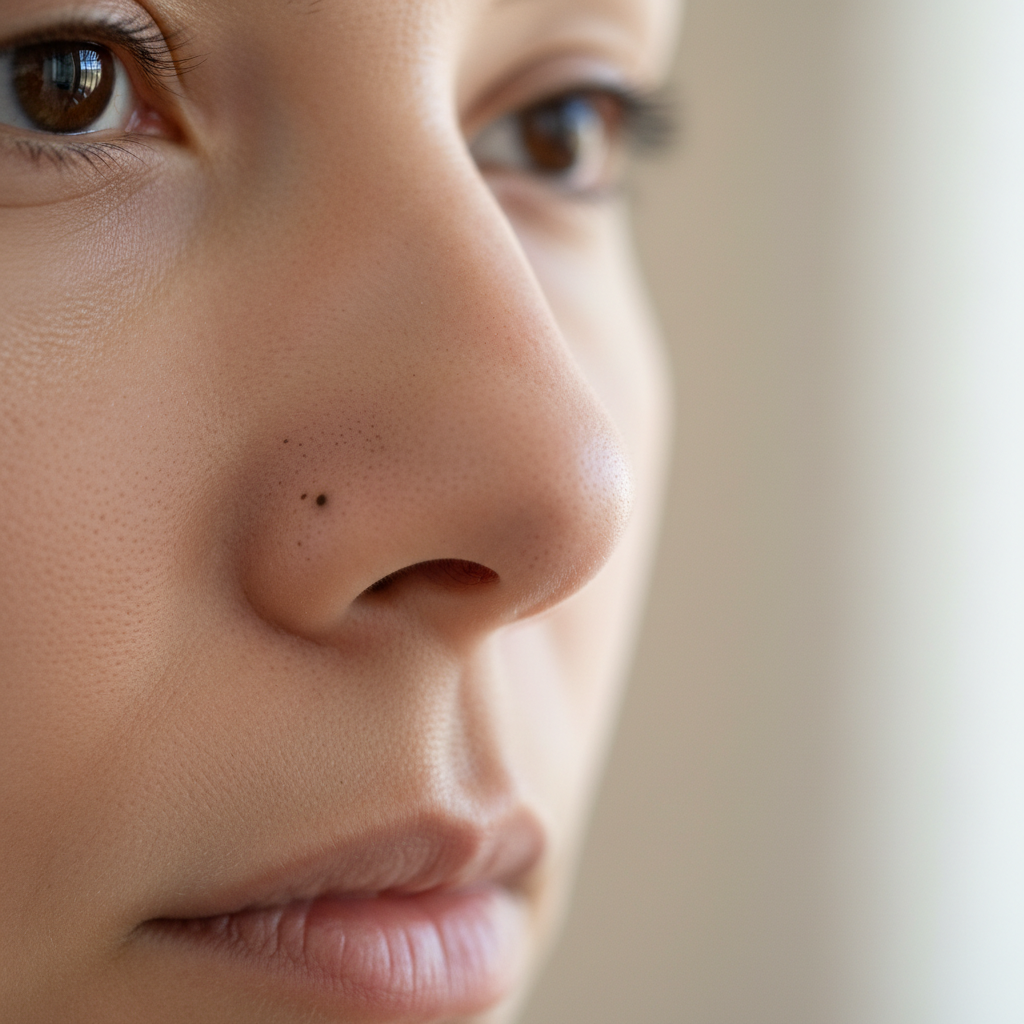
This guide focuses on gentle, realistic options you can do at home, plus a simple way to decide when it’s time to stop experimenting. I’ll also call out common mistakes that quietly make blackheads worse, even when your routine feels “clean.”
What blackheads really are (and why they keep coming back)
Blackheads are open comedones, meaning a pore gets plugged with oil (sebum) and dead skin cells, and the top is exposed to air. That exposure can make the surface look dark, which many people assume is dirt, but it’s usually oxidized material inside the pore.
They tend to come back because the drivers stay active: oil production, slower shedding inside the pore, and products or habits that trap debris. According to the American Academy of Dermatology (AAD), acne, including comedones, often improves with consistent topical care, but irritation and over-scrubbing can backfire.
Why “natural” approaches sometimes work, and where they fall short
Natural methods can help when they support the basics: gentle cleansing, light exfoliation, and barrier-friendly hydration. They’re usually better for people who get irritated easily or who have mild blackheads rather than deep, stubborn congestion.
Where they fall short is the same place most DIY skincare fails: concentration and consistency. Some ingredients that sound “natural” can be harsh or unpredictable on skin, and some approaches are simply not strong enough to clear established plugs.
- Good fit: mild blackheads, sensitive skin, maintenance between stronger treatments.
- Not a great fit: painful acne, frequent cysts, severe congestion, or lots of broken capillaries around the nose.
Quick self-check: what type of “blackheads” do you have?
Before you try to fix them, make sure you’re targeting the right thing. A surprising number of “blackheads” are actually sebaceous filaments, which are normal and refill fast.
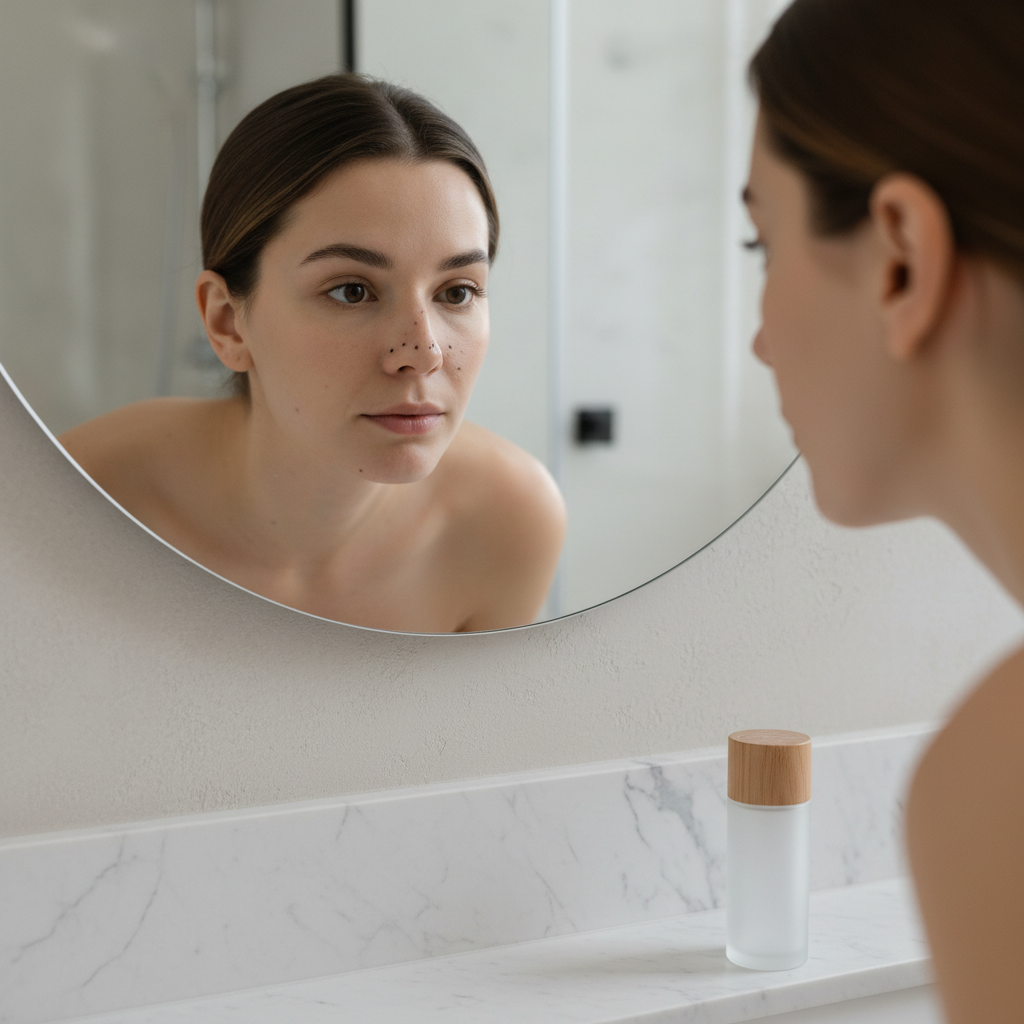
- If dots look gray/yellow and evenly spaced: often sebaceous filaments. You can reduce their look, but they commonly return within days.
- If you see larger, darker plugs with irregular spacing: more likely true blackheads.
- If bumps are skin-colored and closed: these are closed comedones, which need a different approach.
- If the area stings easily or turns red fast: your barrier may be stressed, go gentler.
Natural at-home routine that helps remove blackheads (step-by-step)
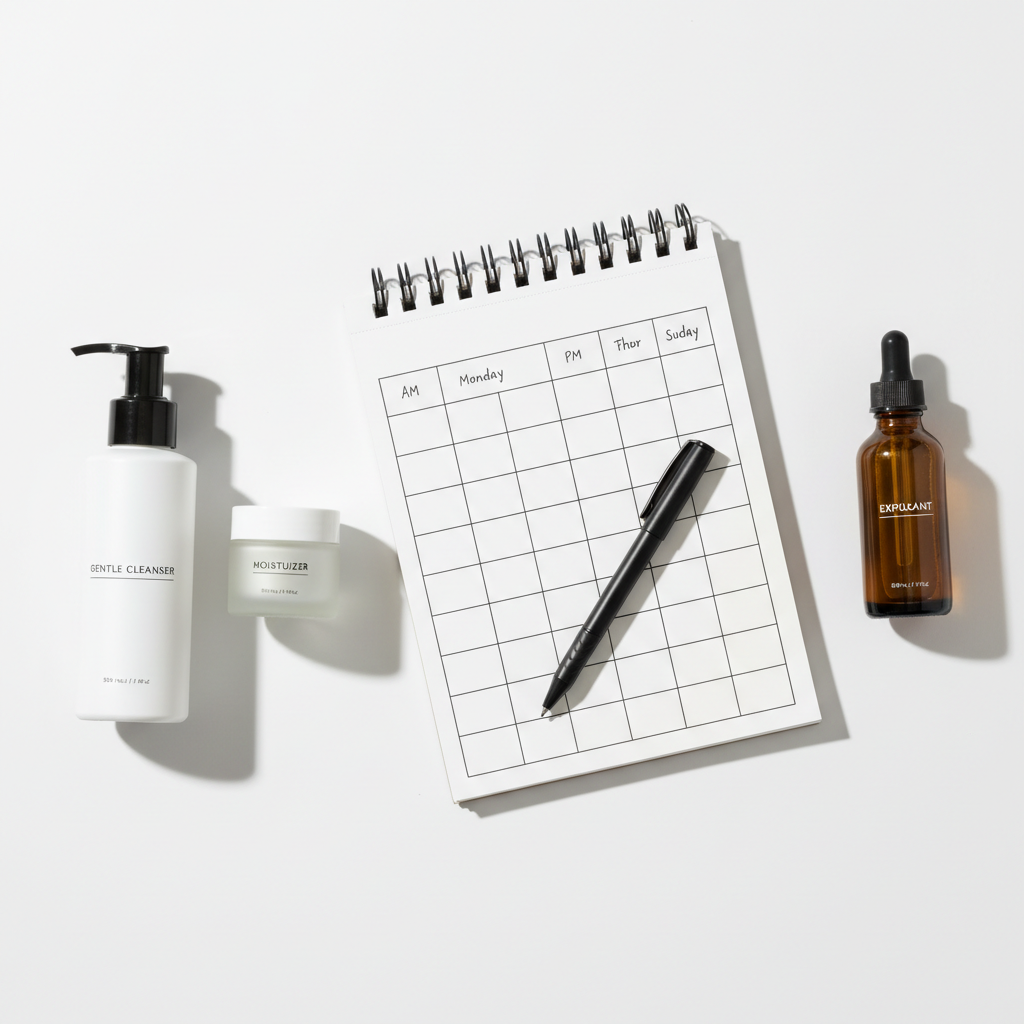
If you want a practical answer to how to get rid of blackheads without turning your face into a project, use a small routine and keep it steady for a few weeks. Tiny changes done consistently tend to beat aggressive “one-time” hacks.
Step 1: Cleanse with the right pressure, not a stronger cleanser
Use a gentle, fragrance-light cleanser and massage for 30–60 seconds, especially around the nose crease. If you cleanse for five seconds and then compensate with scrubs later, you usually lose.
- Avoid cleansing brushes if you’re already red or flaky.
- Rinse well, leftover cleanser can irritate and trigger more oil.
Step 2: Add a “softening” step 2–3 nights a week
Warm water and humidity can soften the top of a plug. You don’t need intense steaming. A warm shower or a warm (not hot) compress for a few minutes is enough for many people.
- Skip: hot steamers, they can worsen redness for some skin types.
- Do: keep it brief, then move to the next step.
Step 3: Gentle exfoliation, choose one lane
For blackheads, chemical exfoliants are often less physically irritating than gritty scrubs. If you prefer “natural-leaning,” look for products built around mild exfoliating acids rather than kitchen DIY mixes.
- Salicylic acid (BHA): oil-soluble, often helpful for clogged pores. Not “natural” in the DIY sense, but commonly well-studied.
- Lactic acid (AHA): can help surface texture and dullness, may be gentler than stronger AHAs.
- Enzyme exfoliants: can be a softer option for reactive skin, results vary.
Pick one exfoliant category and use it 2–4 times weekly depending on tolerance. More products usually means more irritation, not faster clearing.
Step 4: Moisturize like you mean it (yes, even oily skin)
Dehydrated skin often overcompensates with oil, which can make pores look more congested. A lightweight, non-comedogenic moisturizer supports the barrier so your routine stays consistent.
- Look for glycerin, ceramides, or hyaluronic acid.
- If you’re acne-prone, avoid heavy occlusives on the nose area if they seem to trap oil.
Step 5: Spot strategy for visible plugs (carefully)
If a blackhead is very obvious, you might feel tempted to squeeze. The safer “natural” version is restraint: soften, exfoliate, then leave it. If you must extract, do it after a shower with clean hands, minimal pressure, and stop at the first sign of pain.
According to the American Academy of Dermatology (AAD), picking and squeezing can increase inflammation and raise the risk of dark marks or scarring, especially on deeper clogs.
What to avoid if you want fewer blackheads (common mistakes)
This is where a lot of well-intended routines go sideways. If you’re doing two or three of these, it can explain why nothing “natural” seems to work.
- Harsh scrubs and sugar/salt DIY mixes: can create micro-tears and worsen irritation.
- Lemon juice or undiluted vinegar: acidic, unpredictable, and more likely to irritate than help.
- Pore strips every week: they can remove surface debris but often don’t solve the root clogging, and can irritate.
- Over-washing: stripping oil can push rebound oiliness for some people.
- “Natural” oils as leave-on on the T-zone: sometimes fine, sometimes pore-clogging, it’s very individual.
Natural options cheat sheet (what helps, what to skip)
If you like quick comparisons, this table is the realistic view: what’s worth trying, what to be cautious with, and what often wastes time.
| Option | Why people try it | Reality check |
|---|---|---|
| Warm compress | Softens debris | Helpful as a prep step, won’t clear clogs alone |
| Clay mask (1–2x/week) | Absorbs oil | Can reduce shine and the look of pores, may feel drying |
| Salicylic acid (leave-on) | Targets pore congestion | Often effective, start slow to avoid peeling |
| Gentle retinoid (OTC) | Improves cell turnover | Not “natural,” but commonly recommended; can be irritating early on |
| Pore strips | Instant gratification | Temporary, can irritate sensitive areas |
| Lemon/vinegar DIY | “Natural acid” idea | Higher irritation risk, not worth it for most |
When to upgrade your plan or see a dermatologist
If you’ve been consistent for 6–8 weeks and blackheads look the same, you may need a stronger approach than “natural” can offer. That doesn’t mean failure, it usually means the plugs are deeper or your skin needs prescription-level help.
- Blackheads plus inflamed pimples that keep spreading
- Skin stinging, burning, or peeling even with gentle care
- Dark marks that linger after you clear a spot
- Any signs of infection after picking, such as increasing pain, warmth, or pus
According to the National Institute of Arthritis and Musculoskeletal and Skin Diseases (NIAMS), persistent acne can benefit from medical evaluation and a treatment plan tailored to skin type and severity. If you’re pregnant, nursing, or using prescription skin products, it’s smart to ask a clinician before adding new actives.
Key takeaways you can follow this week
- Consistency beats intensity: a gentle routine done for weeks usually outperforms aggressive one-off fixes.
- Don’t fight oil with stripping: cleanse thoroughly but gently, then moisturize.
- Choose one exfoliation lane: piling on acids, scrubs, and masks often triggers irritation.
- Be cautious with DIY acids: “natural” doesn’t always mean skin-safe.
Practical wrap-up: a simple plan (and your next step)
If you’re still deciding how to get rid of blackheads without making your skin angry, start with a gentle cleanse, add a warm compress a few nights a week, use one well-tolerated exfoliant, and keep your barrier comfortable with a lightweight moisturizer. Give it time, take photos once a week, and judge progress calmly instead of day to day.
If you want the easiest action today, pick one thing to stop (usually scrubs or picking) and one thing to start (usually a consistent, gentle leave-on exfoliant), then reassess in a month.