
Men compression shirt gym fit usually comes down to three things that people underestimate: the amount of stretch in the fabric, where seams sit when you move, and whether the “compression” is actually the right level for your training.
If you have ever tried one on and thought, “This is either a sausage casing or basically a tight tee,” you are not alone. The marketing language is messy, size charts vary by brand, and a shirt that feels fine standing still can turn annoying the minute you bench, run, or do pull-ups.
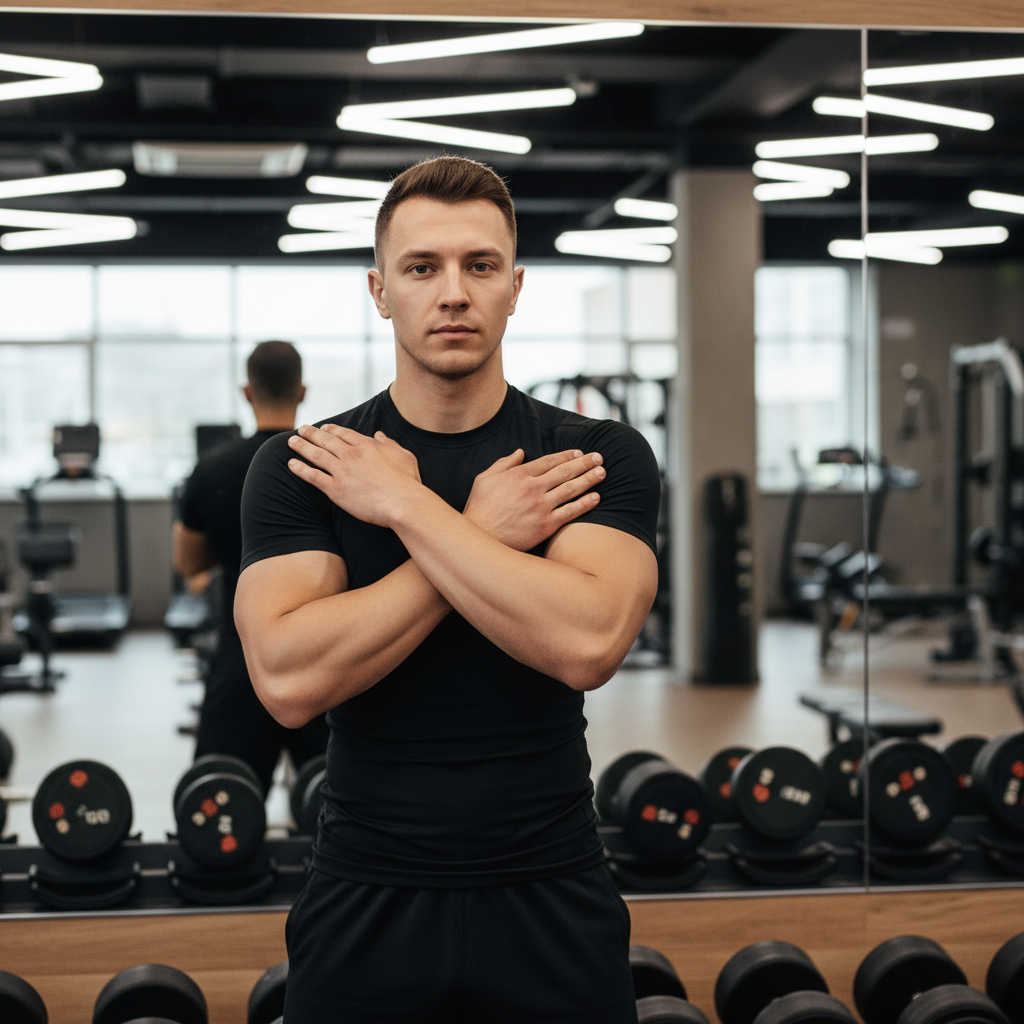
This guide breaks down what “gym-ready fit” should feel like, how to self-check sizing fast, and how to choose a compression top based on your workout style. No hype, just practical selection rules you can use before you hit checkout.
What a “Gym Fit” Compression Shirt Should Feel Like
A good compression top feels snug, not restrictive, and it stays put when you move. If it rides up, twists, or bites into your armpits, the pattern or size is wrong for your body and routine.
- Chest and torso: Even pressure across the chest and midsection, no sharp “band” feeling at the hem.
- Shoulders: Full range of motion, seams should not dig in during presses or rows.
- Arms: Light compression without cutting off circulation, no numbness or “pinch” at the biceps.
- Neckline: Flat and stable, it should not feel like it is pulling when you look up or down.
One simple reality: if you’re thinking about the shirt during your set, the fit is probably not right.
Why Fit Goes Wrong: Common Causes in Real Workouts
Most fit issues are not about your body being “hard to fit,” they’re about mismatched expectations and design choices. Compression clothing is engineered, so small differences matter.
- Fabric blend mismatch: Higher elastane/spandex usually increases stretch and “snap-back,” but can feel tighter and warmer.
- Wrong compression level: Some shirts are “base-layer tight,” others are true compression. Brands don’t label this consistently.
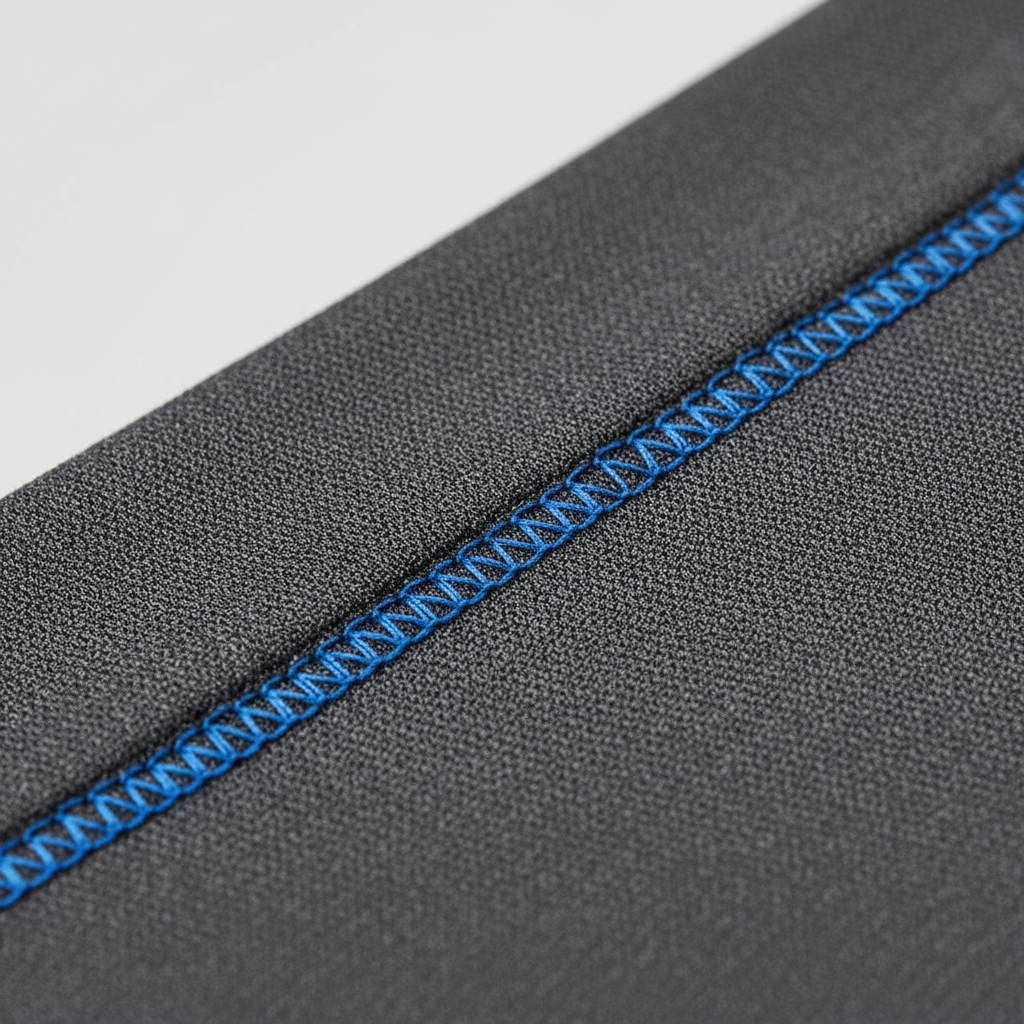
- Seam placement: Flatlock seams help reduce rubbing, but if they land on the front delts or underarm, you may chafe.
- Length vs torso: Many gym tops are cut longer to tuck, but on shorter torsos they bunch and roll.
- Workout selection: Running and HIIT magnify heat and sweat issues, lifting magnifies shoulder mobility problems.
According to the American Academy of Dermatology (AAD), friction combined with moisture can contribute to skin irritation, so if you get redness where fabric rubs, it’s worth adjusting fit or fabric choice rather than “toughing it out.”
Quick Self-Check: Are You in the Right Size?
Before you return anything, do a 60-second fit test at home. You’re looking for movement comfort, not just how it looks in a mirror.
- Do 10 arm circles, then 5 push-ups: no pulling across the upper back, no shoulder seam digging.
- Do a deep squat and stand: hem should not roll up aggressively.
- Hold a plank for 20 seconds: neckline stays flat, no choking feeling.
- Check underarm area after: no hot spots or scratchy rubbing.
If you feel tingling in arms or your hands go cold, that’s too tight and you should size up. If you can pinch a lot of loose fabric at the waist and it shifts during movement, it’s likely too big or cut for a different body type.
Choosing by Training Style (Not Just by Size)
Men compression shirt gym fit changes depending on what you do most days. A “perfect” lifting shirt can be annoying on a long run, and a runner’s ultra-light top may feel flimsy under a barbell.
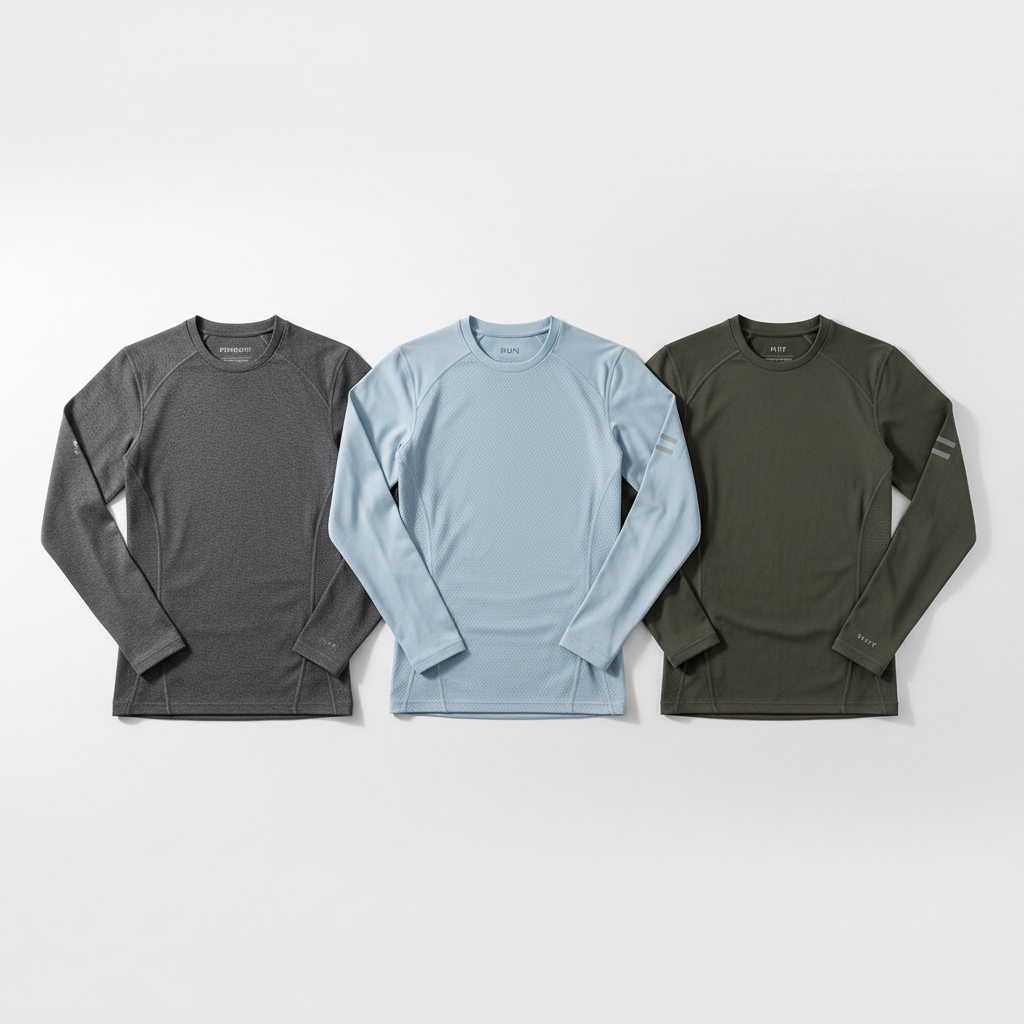
Strength training and bodybuilding
- Look for strong recovery stretch so it doesn’t feel “stretched out” after heavy sets.
- Prioritize shoulder mobility: raglan sleeves or well-shaped shoulder panels help.
- Consider slightly thicker fabric if you hate the “clingy when sweaty” feeling.
Running and endurance
- Choose lighter fabric with better breathability, and seams that won’t rub on long sessions.
- Pay attention to length: too long can bunch and trap heat, too short can ride up.
- UPF may matter for outdoor runs, but fit still comes first.
HIIT and CrossFit-style sessions
- Pick balanced compression: stable enough for burpees and rope work, but not restrictive.
- Durability matters, especially around shoulders and side panels.
- If you do a lot of floor work, smooth fabric and flat seams reduce irritation.
Fabric and Features That Actually Matter
The tag won’t tell the whole story, but it helps you predict comfort. Here’s a practical way to read features without overthinking it.
| Feature | What it affects | Who it suits |
|---|---|---|
| Higher elastane/spandex % | Tighter feel, stronger compression, better snap-back | Lifters who want a locked-in feel |
| Lightweight polyester/nylon knit | Breathability, quicker dry, easier layering | Runners, HIIT, hot gyms |
| Flatlock seams | Less chafing at seam lines | Most people, especially endurance |
| Mesh panels | Ventilation in high-sweat zones | HIIT and heavy sweaters |
| Longer hem / stay-put grip | Reduces ride-up during movement | Lifting, functional training |
“Moisture-wicking” is common, but performance varies by knit structure and finish. If you sweat a lot, prioritize how it feels when damp, not just how it feels dry in the fitting room.
Practical Buying Steps (Online or In-Store)
If you want fewer returns, follow a simple process. It sounds basic, but it catches most of the mistakes people make when chasing a clean look over real comfort.
- Start with your use case: lifting, running, HIIT, or general training.
- Use chest measurement first: for many men, chest drives “compression feel” more than waist.
- Read reviews for body type cues: phrases like “tight in shoulders” or “rolls up” are more useful than star ratings.
- Check return policy: compression sizing is brand-specific, so flexibility matters.
Key takeaway: If you are between sizes, sizing down can work for light sessions, but if you lift heavy or have broad shoulders, sizing up often feels better and still looks athletic.
Mistakes to Avoid (So You Don’t Hate the Shirt Later)
Most disappointments come from a few predictable traps. If you avoid these, the chances of landing the right men compression shirt gym fit go way up.
- Chasing extreme tightness: more pressure is not always better, especially for long workouts.
- Ignoring seam rub: a “good deal” becomes expensive if you stop wearing it.
- Assuming all compression is the same: different cuts and fabrics change everything.
- Wearing it as your only layer in rough workouts: rope climbs, abrasive bars, and gritty turf can chew up lighter knits.
Also, wash behavior matters. Some shirts feel perfect until the first wash, then the fit shifts. Following the care label helps, and air-drying often preserves elasticity better than high heat.
When to Be Cautious or Ask a Professional
Compression gear is generally safe for most healthy adults, but there are moments to slow down. If you have circulation issues, nerve symptoms, or a medical condition affected by pressure, it’s smart to ask a clinician before using tight compression tops regularly.
According to the U.S. Food & Drug Administration (FDA), some compression products can be classified as medical devices when marketed for medical purposes, so for injury recovery or swelling management you should rely on medical guidance rather than gym apparel claims.
If you notice persistent numbness, skin changes, or pain that doesn’t resolve after removing the shirt, stop using it and consider professional advice.
Conclusion: Dial In Fit, Then Let It Disappear During Training
A solid men compression shirt gym fit feels supportive but forgettable, you move freely, sweat management stays reasonable, and you finish the session without rubbing or pressure hotspots.
If you want one action step today, do the movement self-check before committing to a size, then choose fabric weight based on your main training style rather than whatever looks most “compressed” online.
FAQ
How tight should a men’s compression shirt feel for the gym?
Snug and stable, but you should still breathe normally and move your shoulders without tugging. If you feel tingling or your range of motion drops, it’s probably too tight.
Is it better to size down for a compression shirt?
Sometimes, but it depends on shoulder width and workout type. Many lifters prefer not to size down because pressing and overhead work punish tight shoulder seams.
What if the shirt rolls up during squats or deadlifts?
That often points to a torso-length mismatch or a hem that lacks grip. Trying a longer cut, a different pattern, or pairing it with higher-rise shorts can help.
Can I wear a compression shirt as a base layer under a hoodie?
Yes, that’s a common use. Just watch overheating; in warm gyms, a heavy hoodie over a tight top can trap heat fast.
Do compression shirts help performance or recovery?
Some people feel more “locked in,” and the shirt can reduce fabric bounce and irritation. Performance and recovery effects vary by person, so treat it as comfort and support gear, not a guarantee.
How do I prevent chafing with compression tops?
Look for flat seams, avoid rough heat-transfer logos in high-rub zones, and consider an anti-chafe balm for long sessions. If chafing persists, the cut may be wrong for your movement pattern.
Are compression shirts good for hot weather workouts?
They can be, if the fabric is lightweight and breathable. In very humid conditions, some people prefer looser technical tees because they feel less clingy when soaked.
How long should a compression shirt last?
It depends on fabric quality, how often you train, and wash habits. If elasticity fades, seams irritate, or the shirt starts twisting during movement, it may be time to replace.
If you’re trying to simplify your next buy, focus on one “anchor” need, like shoulder mobility for lifting or low-chafe seams for running, then pick a shirt that matches that priority instead of chasing a one-top-fits-everything promise.