
women face mask fashion reusable searches usually come from the same place: you want a mask that feels good for hours, looks intentional with your outfit, and holds up after repeated washing.
But the market is noisy, and the “cute” options often miss the basics: fit around the nose, breathable fabric, ear comfort, and a shape that doesn’t collapse when you talk. That’s where people get frustrated, they buy three, and still end up reaching for the disposable backup.
This guide focuses on how to choose a reusable cloth mask with a fashion mindset without ignoring comfort and practicality. You’ll get a simple self-check, a comparison table, care steps, and the common mistakes that quietly make masks uncomfortable.
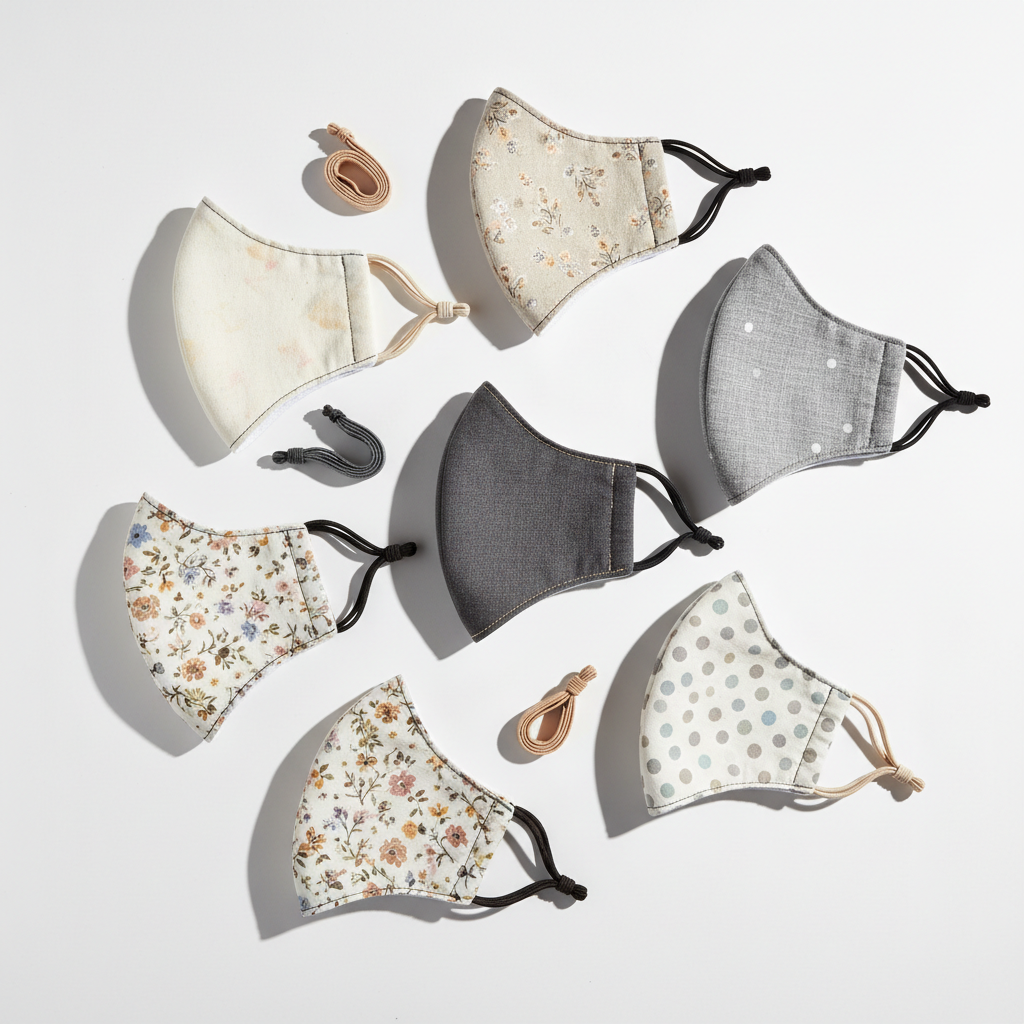
What “fashion reusable” really means (and what it doesn’t)
A fashionable reusable mask isn’t just a cute print. In real use, “fashion” usually means the mask looks like a deliberate accessory, keeps its shape, and pairs easily with daily outfits.
It also doesn’t mean you should accept a poor fit for aesthetics. If a mask gaps at the cheeks or constantly rides down, it tends to feel “cheap” no matter how nice the fabric looks.
- Good fashion masks: structured shape, clean seams, consistent sizing, fabric that doesn’t fuzz after washes.
- Red flags: flimsy single layer, stretchy fabric that grows over time, harsh elastic that pinches, prints that crack or fade fast.
According to CDC, proper fit is a key part of mask performance, meaning gaps matter in many situations, even when your goal is mainly daily comfort and practicality.
Why reusable cloth masks feel “off”: the real-world causes
Most discomfort comes from small design choices that only show up after an hour, not in a product photo.
Common fit and comfort issues
- Nose slipping: no nose wire, weak wire, or fabric too soft to hold shape.
- Ear pain: tight loops without adjusters, or elastic that’s thin and rough.
- Hot and humid feel: fabric too dense, or shape collapses onto lips when you speak.
- Foggy glasses: gaps around the nose bridge or cheeks.
- Skin irritation: rough seams, heavy fragrance from detergent, or trapped moisture.
One more thing people underestimate: sizing. “One size fits most” often fits “most” only if you’re lucky, especially if you have a smaller face, a higher nose bridge, or fuller cheeks.
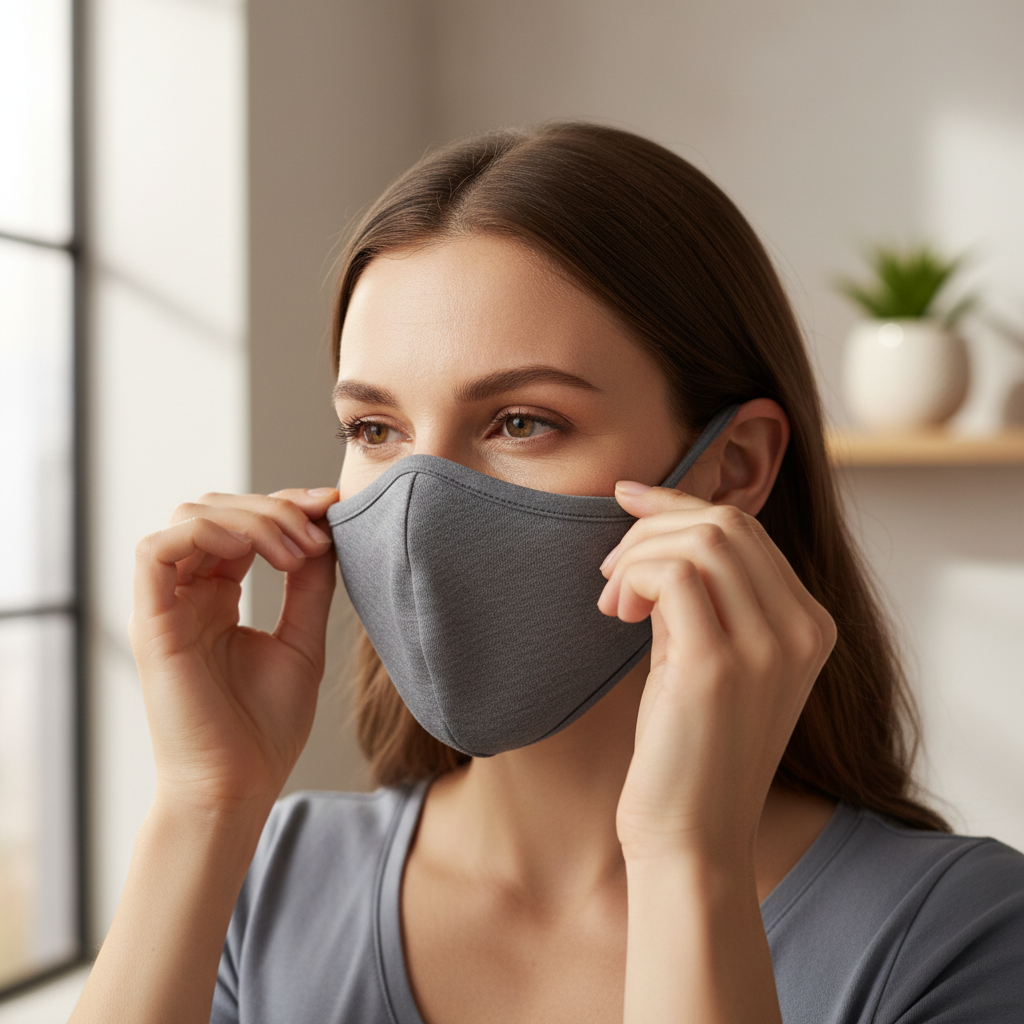
Quick self-check: what type of mask do you actually need?
If you answer these honestly, you’ll stop buying masks that look good on the hanger but fail on day two.
- I wear glasses most days → prioritize a strong nose wire and a shape that seals at the bridge.
- I talk a lot at work → look for a structured “3D” or center-seam style that stays off lips.
- I have sensitive skin → choose soft cotton or skin-friendly lining, avoid scratchy seams and heavy dyes.
- I’m between sizes → adjustable ear loops matter more than prints.
- I want it to match outfits → pick a small color palette and repeat it, instead of chasing every pattern.
If your main goal is better filtration for higher-risk settings, it may be worth discussing options with a healthcare professional and reviewing public health guidance, since cloth masks vary widely by design and materials.
Materials and construction that usually work (with a comparison table)
Fabric choice is where comfort and “fashion” overlap. A mask that drapes nicely and holds color tends to look better longer, and that’s part of the value of reusable.
| Option | Why people like it | Watch-outs | Best for |
|---|---|---|---|
| Cotton (tightly woven) | Soft feel, easy washing, wide color range | Can feel warm if too thick | Everyday errands, office wear |
| Cotton + inner lining | More structure, often more comfortable over time | Needs good stitching to avoid bulky seams | Longer wear days |
| Poly blends / performance fabric | Can wick moisture, dries faster | Some blends irritate sensitive skin | Commutes, hot climates |
| Silk-like outer (fashion finish) | Dressier look, smoother texture | May slip if ear loops aren’t adjustable | Events, “elevated” outfits |
Construction details that tend to matter more than brand names: a nose wire channel that stays put, clean inner seams, and adjustable ear loops or toggles.
How to pick a stylish reusable cloth mask (without overthinking)
Here’s the practical approach: decide your “uniform,” then add one or two statement masks. That’s usually enough for most wardrobes.
Style rules that work in everyday life
- Start with solids: black, navy, beige, and soft gray pair with most outfits.
- Match hardware to jewelry: if your toggles are silver-tone, your look feels more intentional.
- Use pattern strategically: small patterns hide lint and makeup marks better than large light prints.
- Check the seam placement: center seams can look sleek, but some people prefer pleats for a softer look.
Fit checks you can do in 10 seconds
- Take a breath in, the mask should not suck onto lips aggressively.
- Turn your head side to side, the edges should stay close to cheeks.
- Pinch the nose wire, then smile, it should not slide below your nose.
If you’re buying online, look for clear sizing guidance, close-up stitching photos, and plain-language care instructions. Vague listings usually mean inconsistent quality.
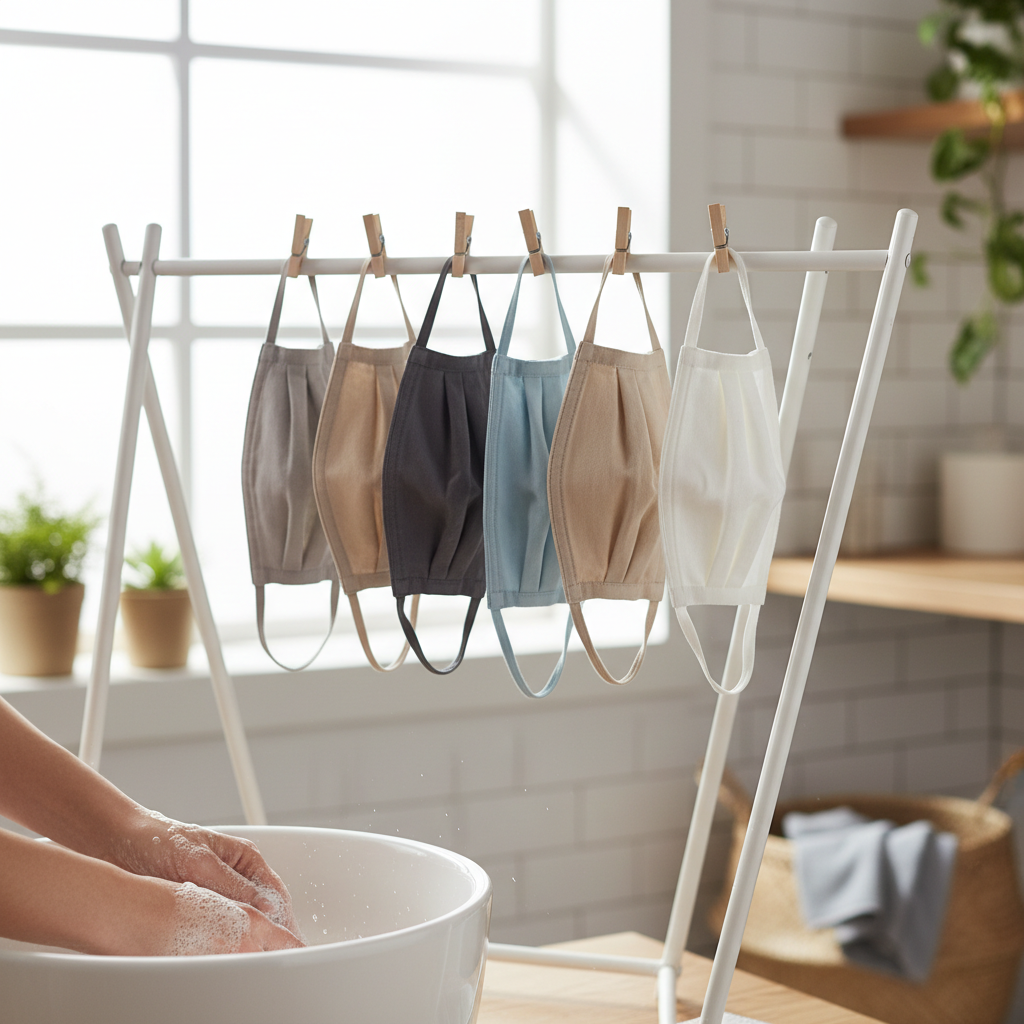
Care and maintenance: keep the fit, keep the look
Reusable masks only “save money” and stay cute if they keep shape. The good news, care is simple, it just needs consistency.
- Wash regularly: follow the product label; if you’re unsure, gentle cycle with mild detergent is a common safe baseline.
- Avoid heavy fragrance: many irritation complaints come from scented detergent or fabric softeners.
- Air dry when possible: high heat can warp nose wires and degrade elastic.
- Rotate masks: having 3–5 in rotation reduces wear on each piece.
- Replace when fit changes: stretched ear loops and warped shape usually don’t “come back.”
According to FDA, cloth face coverings should be properly washed and handled to reduce contamination risk; if you have health concerns or a specific exposure situation, it’s smart to consult a qualified professional.
Mistakes that make a fashion mask feel cheap (even if it wasn’t)
People often blame the mask when the real problem is a small mismatch between design and routine.
- Buying only one “perfect” mask: you end up overwashing it, elastic wears fast, and it loses shape.
- Wearing too loose for comfort: it feels better for five minutes, then starts sliding and you touch it more.
- Ignoring moisture: if you’re drinking coffee all morning, consider swapping midday; damp fabric tends to feel irritating.
- Using harsh stain removers: they can fade color and stiffen fabric, which makes masks look worn early.
Also, if you get frequent irritation or breakouts around the mask area, the cause might be friction, trapped sweat, or a reaction to detergent. If symptoms persist, consider speaking with a dermatologist.
Key takeaways + a simple shopping checklist
If you want women face mask fashion reusable options that actually earn their place in your daily rotation, focus on fit and materials first, style second. When those are right, style becomes easy.
- Choose structure (3D or center seam) if you talk a lot or dislike fabric touching lips.
- Prioritize adjustability if ear pain or slipping is your main complaint.
- Keep a small palette so masks match more outfits with less effort.
- Plan rotation: buy enough that you’re not forced to wear a damp or stretched mask.
Action step: pick one “daily neutral” mask style you love, then add one patterned option that matches your most-worn jacket or bag, you’ll get variety without clutter.
FAQ
What makes a reusable cloth mask feel breathable?
Breathability usually comes from fabric choice and shape, not just thinness. A structured mask that holds space in front of your mouth can feel easier to wear than a very thin mask that collapses when you inhale.
How many reusable masks should I own?
For many people, 3–5 masks works well: one on you, one backup, and the rest rotating through laundry. If you wear them all day for work, you may want more to avoid rushing washes.
Are nose wires worth it if I don’t wear glasses?
Often yes, because a nose wire helps stabilize fit and reduces slipping. If you hate the feel of metal, look for a softer, flexible wire channel that sits comfortably at the bridge.
Why do my ear loops hurt even when the mask fits?
Loop material matters. Thin elastic can cut in, and tight loops without adjusters force all the tension onto one spot. Adjustable toggles or slightly wider elastic tends to feel better over long wear.
Can I machine wash fashion masks without ruining them?
Many can handle machine washing, but heat and agitation can shorten elastic life and warp nose wires. If the mask is a “dressier” fabric, a laundry bag and air drying usually helps preserve shape and color.
How do I stop makeup from staining my mask?
Darker colors hide stains better, and a smoother inner lining can reduce transfer. Let makeup set, and consider a quick midday swap if you notice buildup, it’s often easier than scrubbing later.
Is a cute cloth mask enough for higher-risk situations?
It depends on the situation and current public health guidance. For higher-risk settings, it’s reasonable to review recommendations from agencies like CDC and talk with a qualified professional if you need personalized advice.
If you’re trying to build a small, reliable rotation of reusable masks that look polished and feel comfortable on real days, it may help to start with one fit that truly works for your face, then expand colors and patterns from there instead of gambling on random “cute” picks.