
women one piece swimsuit tummy control styles are popular for a simple reason, many people want a smooth, secure feel without constantly adjusting straps or worrying about coverage.
If you have ever tried on a “tummy control” suit that either felt like a stiff corset or did basically nothing, you are not alone, the label gets used loosely and the details matter more than the marketing.
This guide breaks down what actually creates shaping in a one-piece, how to judge support before you buy, and which design features tend to work best for different body needs, with practical tips you can use on any brand page.
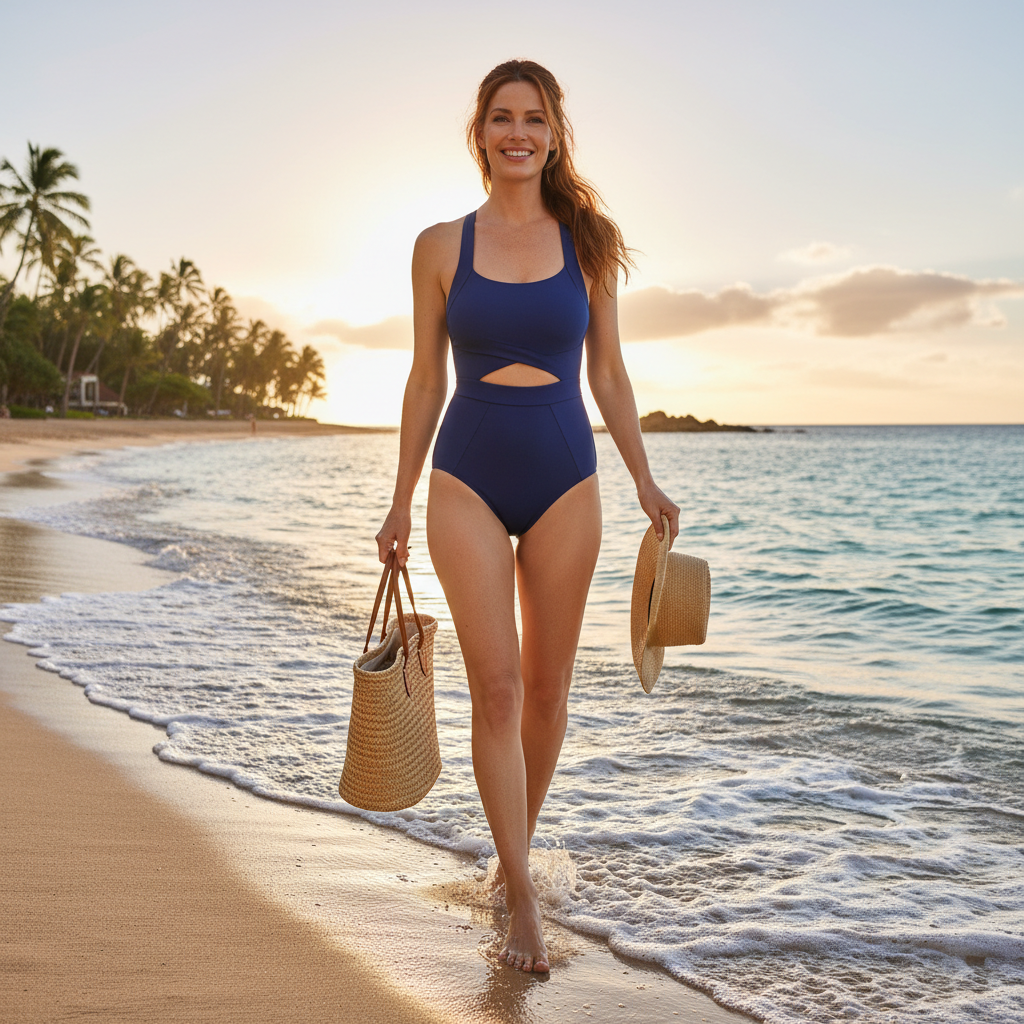
What “tummy control” really means in a one-piece
In most swim brands, “tummy control” is shorthand for built-in shaping through fabric tension, lining, and pattern engineering, not magic compression that changes your body.
The best versions usually combine a few elements, so you feel supported in the water and still breathe normally on a lounge chair.
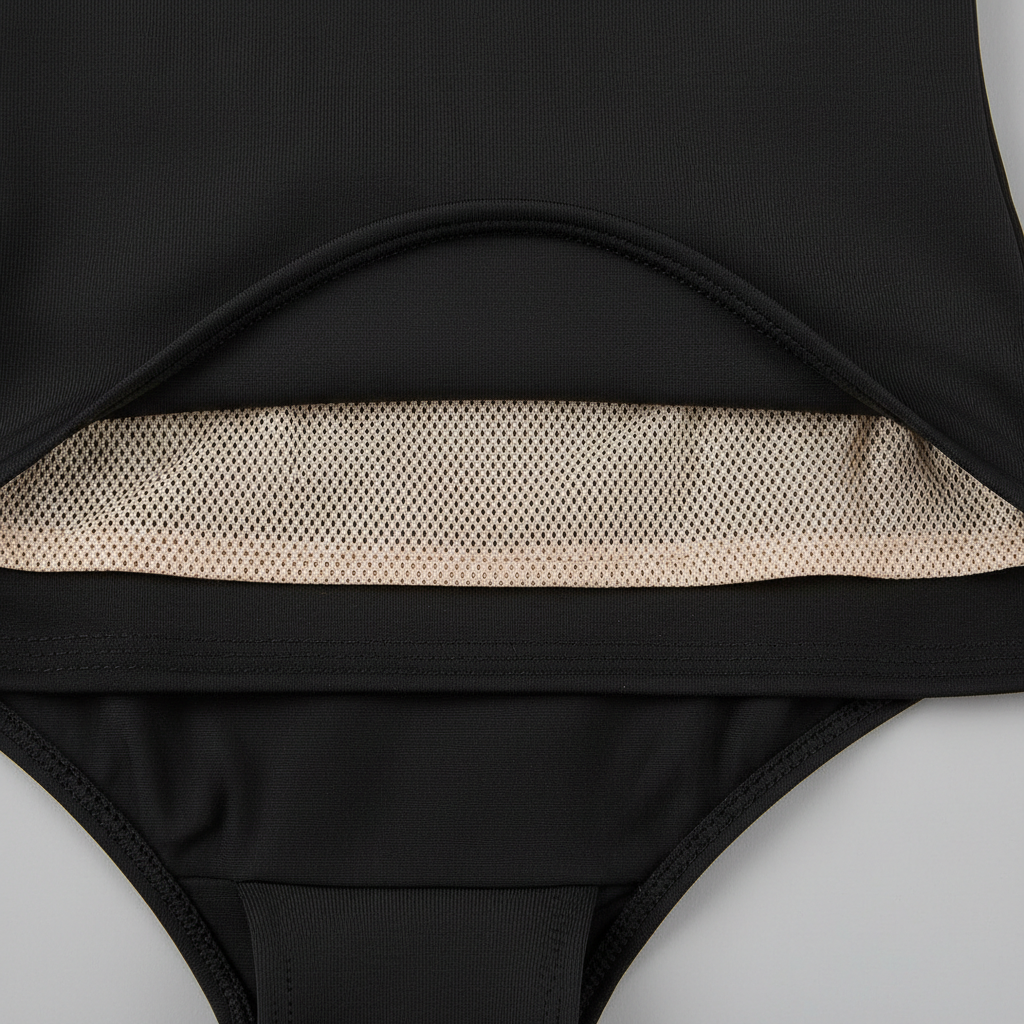
- Power mesh lining: a firmer inner layer across the front panel that provides gentle compression.
- Double lining: two fabric layers that reduce show-through and add structure.
- Ruching or draping: fabric gathering that visually softens the midsection and hides minor fit ripples.
- Strategic seaming: curved seams that create shape and keep the suit from “pulling” in one direction.
According to the Federal Trade Commission (FTC), advertising claims should be truthful and not misleading, so if a product implies dramatic body changes, it is reasonable to look for clear construction details that back up the promise.
Why some tummy control suits fail (and it’s not your body)
Many “control” one-pieces disappoint for predictable reasons, and spotting them early saves a lot of returns.
- Wrong size for the torso length: a suit can be your size in width but too short or too long through the body, then the belly area wrinkles or digs in.
- Thin fabric with only one lining: it may look smooth on a flat lay but has little holding power once wet.
- Control panel placed too high: compression hits the rib area while the lower belly stays unsupported.
- Low-quality elastic: straps slip, leg openings stretch, and the front panel loses tension quickly.
And a small reality check, water changes everything, fabric can relax slightly when wet, so “snug but not painful” on land often translates to “right” once you swim.
Quick self-check: which features you should prioritize
Before you choose a women one piece swimsuit tummy control style, decide what “control” means for you, smoother look, better bust support, less rolling at the waist, or all of it.
Use this fast checklist
- If your main issue is lower belly smoothing: look for a front power-mesh panel that extends below the navel, plus ruching or a wrap front.
- If you want waist definition: choose diagonal seams, color-blocking, or a tie-side wrap design.
- If you need bust stability: prioritize underbust bands, molded cups, adjustable straps, or higher backs.
- If you hate thigh/hip dig-in: seek softer leg elastics and medium coverage cuts, ultra-high cuts can emphasize hip tension.
- If you have a long torso: search for “long torso” fits or brands with torso-length options, it matters more than people think.
If you are shopping online, zoom in on inside photos, if a brand never shows lining, you are guessing.
Fabric and construction: the parts that actually do the work
Most shaping comes down to materials and how they are layered, not just the silhouette.
| What to look for | Why it helps | Good for |
|---|---|---|
| Higher spandex/elasthane blend | Improves snap-back and reduces sag when wet | All-day wear, frequent swimming |
| Power mesh front panel | Adds controlled compression without bulky padding | Midsection smoothing |
| Double lining | More structure and less show-through | Lighter colors, confidence coverage |
| Wide, adjustable straps | Improves lift and reduces neck/shoulder strain | Larger bust, active beach days |
| Higher back or supportive band | Keeps the suit anchored, reduces rolling | More secure fit, fuller bust |
According to the American Academy of Dermatology (AAD), sun-protective clothing can help reduce UV exposure, so if you burn easily, you might also value higher necklines, more coverage, or a suit labeled with UPF, and still use sunscreen as recommended.
How to choose the right style for your body and your plans
“Flattering” is personal, but certain cuts consistently solve common fit problems, especially when you want support and not just a pretty print.
Styles that tend to work well
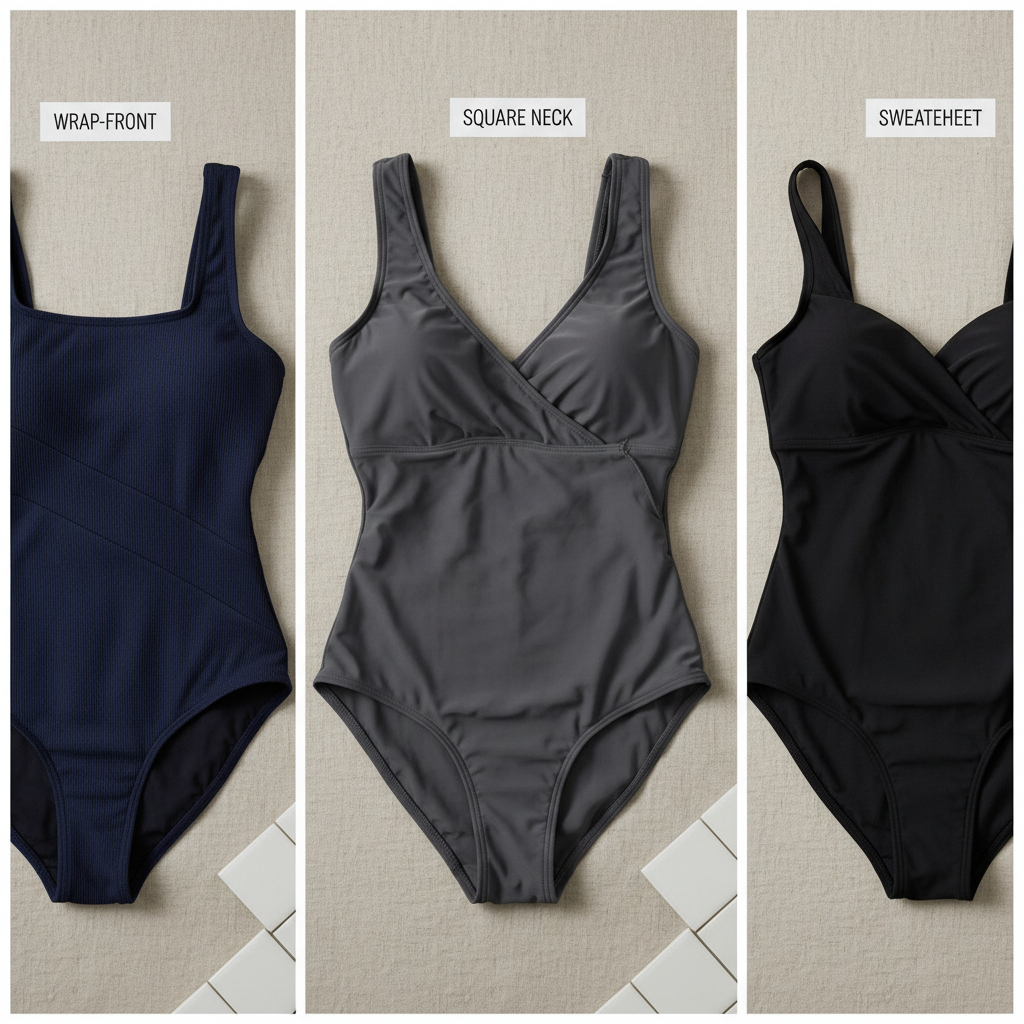
- Wrap-front or faux-wrap: creates a natural waist and usually pairs well with ruching.
- Sweetheart neckline with structured cups: balances coverage with lift, often feels more secure than a straight bandeau top.
- Square neck: modern look, typically stable for swimming because the straps sit wide.
- High back or racerback: better anchoring if you move a lot, play with kids, swim laps, or do water sports.
- Control suit with tummy panel + skirt overlay: if you like extra hip coverage, this can feel less “exposed” while still streamlined.
If you want a smoother midsection but dislike strong compression, prioritize drape and pattern, ruching can do more visually than a too-tight panel that creates bulges at the edges.
Practical buying steps (especially for online shopping)
When you cannot try on a women one piece swimsuit tummy control option in-store, you need a process that reduces guessing.
- Start with torso length: if you often get shoulder digging or crotch pull, check size charts for “girth” or “torso,” or look for long-torso sizing.
- Read fabric notes, not just reviews: phrases like “power mesh,” “shaping lining,” and “double-lined front” usually matter more than “snatches you.”
- Check adjustability: adjustable straps and removable cups give you a way to fine-tune fit.
- Look for clear back photos: a higher back often equals more stability.
- Order two sizes when between sizes: many brands vary, returning one is sometimes easier than forcing a compromise.
Fit test at home (two minutes)
- Raise your arms, the suit should not pull sharply into the shoulders.
- Take a deep breath sitting down, if the front panel hurts or folds hard, sizing or panel placement may be off.
- Walk around and mimic swimming motions, straps should stay put without constant tugging.
- Check leg openings in a mirror, if they cut in, try a different cut, not just a bigger size.
Mistakes that waste money (and what to do instead)
A few common traps keep showing up, even for experienced shoppers.
- Buying extra small for “more control”: too much tension can cause rolling at the waist or digging at the legs, which looks less smooth.
- Ignoring bust engineering: if the top half feels unstable, the whole suit shifts, then the tummy panel stops sitting where it should.
- Assuming all ruching is equal: light gathers can be decorative, better versions have deeper ruching paired with lining.
- Forgetting the wet factor: a suit that feels barely snug in a dressing room may relax in water, that is when you notice lack of support.
If you are sensitive to pressure, have a history of skin irritation, or are postpartum, stronger compression might feel uncomfortable, in those cases, it can be smart to choose moderate shaping and focus on cut, then check with a clinician if you have specific medical concerns.
Key takeaways and a simple next step
A good tummy-control one-piece is not about “hiding,” it is about staying comfortable and secure while you move, swim, sit, and take photos without constant adjustments.
- Look for construction such as power mesh, double lining, and supportive straps, not just a label.
- Prioritize torso fit if you often feel pulling or see wrinkles in the midsection.
- Match the suit to your day, lounging, swimming, or active water time need different support levels.
If you want to act today, pick one suit you like and verify three things before checkout, lining details, strap adjustability, and a return policy that does not punish you for trying the right size.
FAQ
What is the best way to size a tummy control one-piece online?
Use your bust, waist, and hip measurements, then sanity-check torso length using brand notes like “long torso” or reviews mentioning shoulder pull, when in doubt, ordering two nearby sizes can be more efficient than guessing.
Do tummy control swimsuits feel like shapewear?
Some do, but many are closer to gentle compression, if you see “power mesh” plus a fully lined front, expect more hold, if it is only “ruched,” expect more visual smoothing than pressure.
Will a tummy control suit roll down at the waist?
Rolling often comes from a mismatch between torso length and panel placement, or from sizing too small, a higher back and better anchoring straps usually help keep the suit stable.
Are tummy control swimsuits good for swimming laps?
They can be, but prioritize athletic features like wider straps, a higher back, and secure leg openings, fashion-forward plunge styles may look great but shift more during repetitive motion.
What features help if I want more bust support in a one-piece?
Look for an underbust band, molded cups, adjustable straps, and a higher back, these features often matter more than padding thickness.
How can I tell if a suit will be see-through when wet?
Double lining and heavier fabric help, lighter colors and very thin knits are more likely to show, if the product page avoids fabric details, it is a yellow flag.
Can I wear a tummy control swimsuit if I have sensitive skin?
Usually yes, but higher compression and rough seams can irritate some people, consider softer linings and moderate shaping, and if you have a skin condition, it is reasonable to ask a dermatologist for guidance.
If you are shopping for a women one piece swimsuit tummy control option and want a quicker shortlist, focus on suits that clearly show their lining, mention power mesh or shaping panels, and offer adjustable straps, it is the simplest way to get support without overthinking every review.