
women turtleneck sweater fall winter shopping is easy to overthink, mostly because one “cute” turtleneck can still feel scratchy, tight at the neck, or oddly boxy once you actually wear it outside.
The good news is you don’t need a huge wardrobe refresh, you need a clearer way to choose fabric, fit, and styling based on your climate and your real life, commuting, office heat, weekend errands, or outdoor plans.
Below you’ll find a practical guide to picking the right turtleneck, building outfits that look intentional, and avoiding the most common mistakes that make a cozy sweater end up living at the back of the closet.
What makes a great fall/winter turtleneck (beyond “it’s warm”)
A turtleneck works when it balances three things: comfort at the neck, insulation for your weather, and a silhouette that layers without fighting your coat. If one of those is off, you’ll feel it all day.
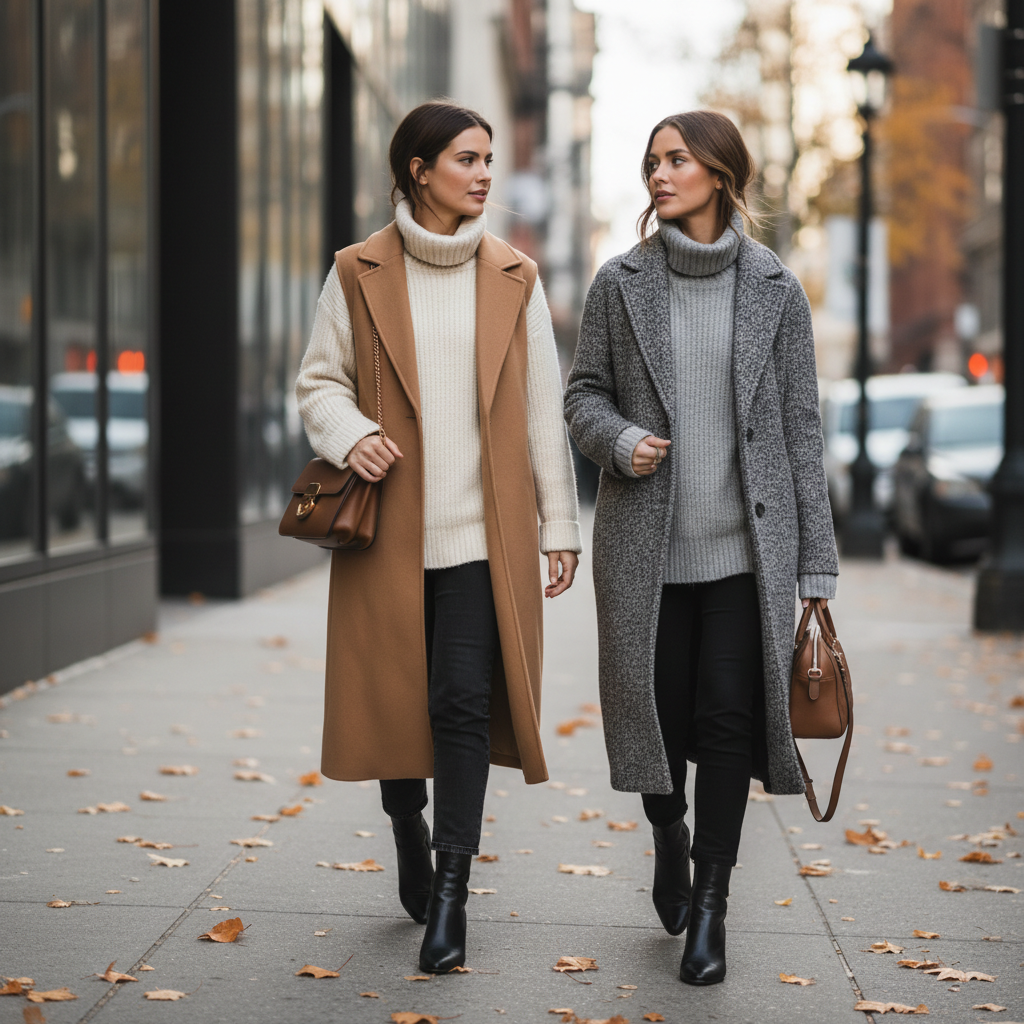
Comfort at the neck is the deal-breaker. Look for a collar with enough height to fold without strangling, and enough stretch that you can turn your head easily. If you hate “tight neck” feeling, a mock neck can deliver a similar look with less pressure.
Insulation depends on fiber and knit density, not just thickness. A thin merino turtleneck can feel warmer than a thicker loose acrylic knit because it traps heat better and layers cleaner.
Silhouette matters because fall and winter are layering seasons. If you plan to wear it under a blazer or puffer, a slimmer knit in the body and sleeve usually behaves better than a chunky fisherman rib.
Fabric choices that actually match your climate and comfort
Most regrets come from fabric mismatch: the sweater looks right online, then it pills, itches, or overheats you indoors. Here’s a clear way to think about it.
Quick fabric guide
- Merino wool: soft for many people, great temperature regulation, strong for layering. A smart pick for unpredictable weather.
- Cashmere: warm for weight, luxe feel, but can pill if it’s very fine or loosely spun. Better when you’re willing to baby it a bit.
- Cotton: breathable, good for mild fall or warm offices, usually less itchy. In very cold wind, it may feel less insulating.
- Synthetic blends (poly/nylon/acrylic): can be durable and budget-friendly, but some run hot or feel less breathable.
How to choose (a simple table)
| Situation | What to prioritize | Good material bets |
|---|---|---|
| Cold commute + heated office | Layering, breathability | Merino, merino blend |
| Dry, very cold outdoor time | Warmth per weight | Cashmere, wool blends |
| Mild fall, sensitive skin | Soft handfeel | Cotton, modal blends |
| Budget-focused capsule wardrobe | Durability, easy care | Wool-synthetic blends |
According to the American Academy of Dermatology Association, wool can irritate some people with sensitive skin, and choosing softer fibers or wearing a thin base layer can help reduce discomfort. If you’re prone to rashes, it’s reasonable to patch-test by wearing the sweater at home for an hour before committing.
Fit checklist: how to avoid bulky, frumpy, or “choking” turtlenecks
Fit is where a women turtleneck sweater fall winter purchase turns into either an everyday staple or a one-time outfit that never repeats. Use this quick self-check before you buy or keep.
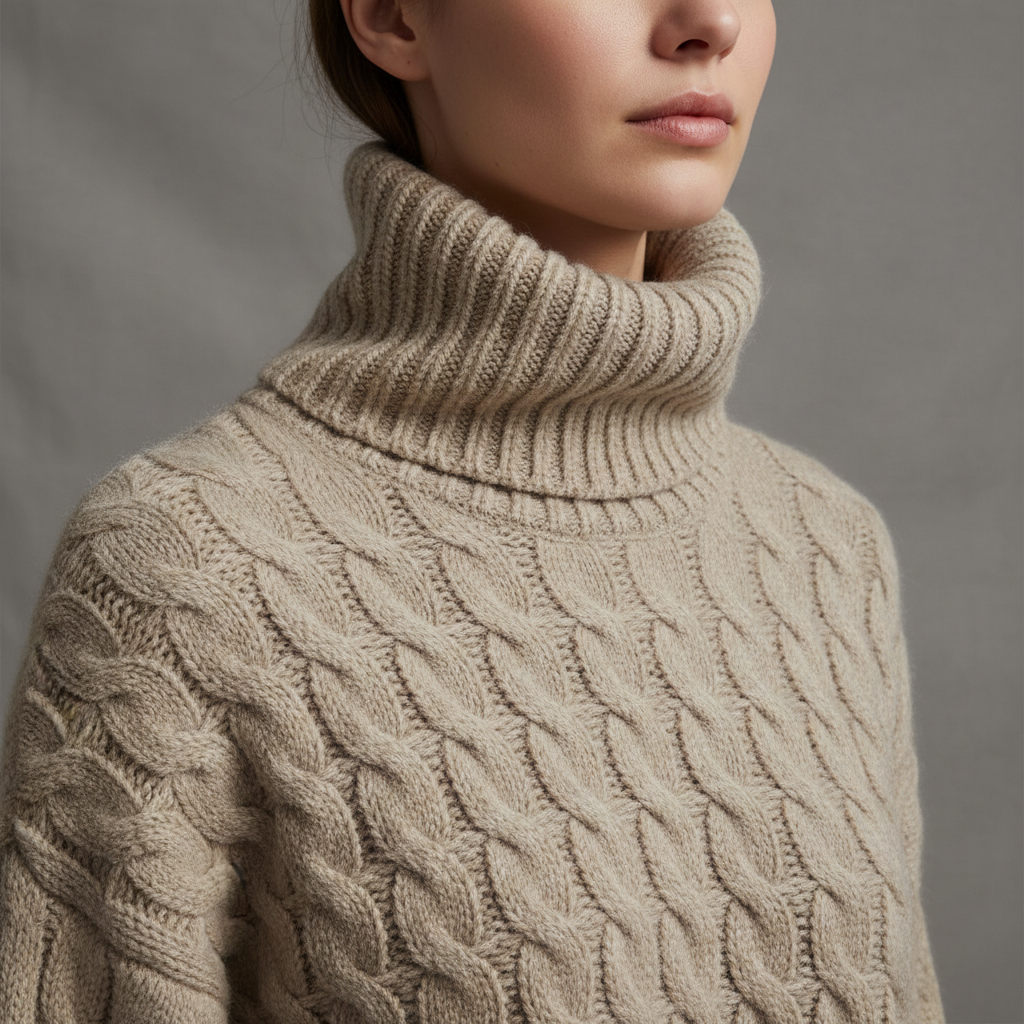
- Neck: you should fit two fingers between collar and skin when relaxed, and the fold should sit flat instead of rolling up.
- Shoulder seam: sits near your shoulder edge. Dropped shoulders can look cool, but under coats they often bunch.
- Arm mobility: raise your arms; if the whole sweater lifts dramatically, it may be too tight in the body.
- Length: cropped works with high-rise bottoms, longer hems work for leggings, but mid-hip lengths can be tricky if the knit is bulky.
- Transparency and cling: hold it to light. Some lighter knits become see-through, and ribbing can highlight lines under bright office lighting.
Real-world tip: if you plan to layer, size based on your “under layer,” not your “top layer.” A slim turtleneck under a blazer usually fits true to size, but a chunky knit under a coat may need a roomier outerwear size instead of sizing up the sweater.
Outfit formulas that look intentional (and take 2 minutes)
When people say a turtleneck feels “boring,” it’s often because everything else is also flat. Your fastest fix is contrast: texture, proportion, or color.
Five reliable combos
- Office clean: fine-knit turtleneck + tailored trousers + loafers, add a long coat for a sharp line.
- Weekend easy: slightly slouchy turtleneck + straight-leg jeans + sneakers, add a beanie for cold wind days.
- Elevated casual: turtleneck + satin or knit midi skirt + ankle boots, great for dinner without feeling overdone.
- Layered warmth: thin turtleneck + blazer + scarf, when you want warmth without a bulky sweater.
- Minimalist monochrome: same-color top and bottom, then use a different texture for the coat to keep it from looking flat.
If you want your women turtleneck sweater fall winter outfits to photograph well, keep one “anchor” piece structured, a belt, a tailored coat, or a stiffer bag. Soft-on-soft everywhere can read as pajamas fast, even if the pieces are quality.
How to layer without bulk: base layers, bras, coats, and scarves
Layering is where turtlenecks shine, but it’s also where they get annoying. A few small tweaks usually solve the bunching and overheating.
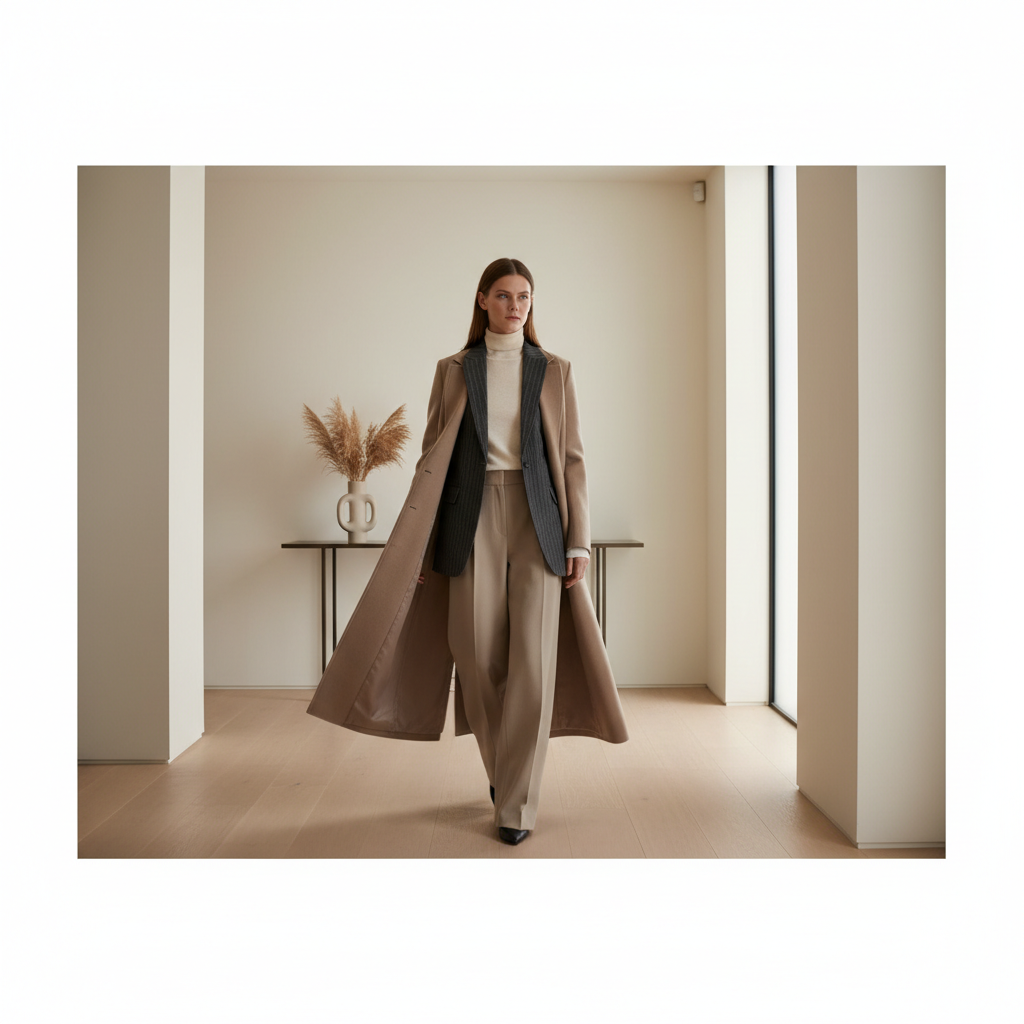
Start with the right first layer: if wool bothers your skin or you run cold easily, a thin heat-tech or lightweight cotton base can make a big difference while keeping the silhouette smooth.
Choose the coat for the sweater, not the other way around: puffer coats and teddy coats pair best with slim knits; tailored wool coats can handle chunkier textures without looking inflated.
Scarf strategy: if you wear a tall collar, skip bulky scarves and choose a thinner wool scarf or a wrap that sits lower. Otherwise you get that crowded neck feeling that makes you rip everything off at noon.
Care and longevity: keep it soft, reduce pilling, avoid stretching
A women turtleneck sweater fall winter staple earns its keep when it stays presentable after repeated wears. Most damage comes from friction and heat, not “bad quality” alone.
- Wash less, air more: many wool and cashmere knits benefit from airing out between wears, especially if you wore a base layer.
- Use gentle wash methods: cold water and a delicate detergent help, and laying flat to dry prevents shoulder and hem stretching.
- De-pill carefully: a fabric shaver can help, but press lightly. Aggressive shaving can thin the knit over time.
- Store folded: hanging often stretches shoulders, especially in heavier knits.
According to the Federal Trade Commission (FTC), garment care labels provide fiber and care instructions that brands are required to disclose, so it’s worth checking the label before you assume a sweater is machine-safe.
Common mistakes (and what to do instead)
These are the patterns that show up again and again when people say they “can’t do turtlenecks.” Usually, one swap fixes it.
- Mistake: buying a thick, stiff knit and expecting it to layer. Try: a fine-gauge merino or a rib knit that compresses under coats.
- Mistake: choosing a collar that’s too tight because it “looks sleek.” Try: a softer fold-over or a mock neck if you’re sensitive.
- Mistake: pairing bulky top + bulky bottom. Try: one side streamlined, straight-leg jeans, tailored pants, or a skirt with movement.
- Mistake: ignoring static cling. Try: a slip, anti-static spray, or a natural-fiber blend that clings less.
When it’s worth getting extra help (tailoring, styling, or skin comfort)
If your turtleneck fits “almost” right, a simple hem adjustment or sleeve tweak can make it feel custom, especially for petite or very tall proportions. Tailors can also add small side slits for better drape if a sweater feels too tight at the hips.
If you experience itching, redness, or breathing discomfort around the neck area, consider switching fibers, using a base layer, or talking with a healthcare professional for personalized advice, especially if symptoms persist.
Key takeaways
- Pick fabric for your life: merino for versatile layering, cotton for mild temps and sensitivity, cashmere for warmth-per-weight when you’ll care for it.
- Fit starts at the collar: if the neck feels wrong, you won’t wear it, no matter how good it looks.
- Use outfit contrast: one structured piece keeps a turtleneck look polished instead of sleepy.
- Care is half the value: air out, fold-store, and de-pill gently to keep sweaters looking new longer.
Conclusion: a smarter way to buy (and wear) your next turtleneck
The easiest way to win with a women turtleneck sweater fall winter wardrobe is to start with one “workhorse” fine-knit in a neutral you actually wear, then add one textured or color piece once you know the neck and fit feel good.
If you want a quick next step, check your coats first, then choose the turtleneck gauge that layers comfortably under the outerwear you already own, it saves money and avoids the bulky closet mistakes.
FAQ
What is the warmest material for a women’s turtleneck in winter?
It depends on your climate and how you layer, but wool and cashmere often feel warmer for their weight than cotton. If you move between cold outdoors and heated indoors, merino can be a practical middle ground.
How do I stop a turtleneck from itching my neck?
Try softer fibers like merino or cotton, or wear a thin base layer with a crew or mock neck underneath. If irritation continues, it may be worth avoiding wool entirely and checking with a professional for skin sensitivity guidance.
Are chunky turtlenecks flattering or do they add bulk?
They can be flattering when the rest of the outfit stays streamlined, like straight-leg jeans or a fitted skirt. Bulk usually shows up when you stack chunky sweater plus oversized coat plus thick scarf all at once.
What color turtleneck is most versatile for fall and winter outfits?
Many wardrobes get the most use from black, cream, heather gray, or camel, because they pair easily with denim, wool coats, and boots. If you wear a lot of black outerwear, cream or camel can add contrast without feeling loud.
How should a turtleneck fit at the neck?
Snug is fine, restrictive is not. You should be able to swallow and turn your head comfortably, and the folded collar should lie flat rather than springing upward.
Can I wear a turtleneck to the office without looking too casual?
Yes, especially with a fine-gauge knit and tailored pieces like trousers or a blazer. Shoes and bag choice do a lot of work here, loafers or ankle boots read more professional than athletic sneakers.
How do I wash a wool or cashmere turtleneck safely?
Follow the care label, and when in doubt, use cold water with a gentle detergent and dry flat. Heat and agitation are common reasons knits shrink or lose shape.
If you’re trying to build a small fall-winter rotation and want a turtleneck that layers smoothly, feels comfortable at the neck, and holds up after repeat wears, it can help to narrow choices by fabric and coat pairing before you buy, it’s the quickest way to end up with a sweater you reach for weekly.